Restoring West Java’s Longest River Watershed, a Vital Hub of Biodiversity and Cultural Heritage
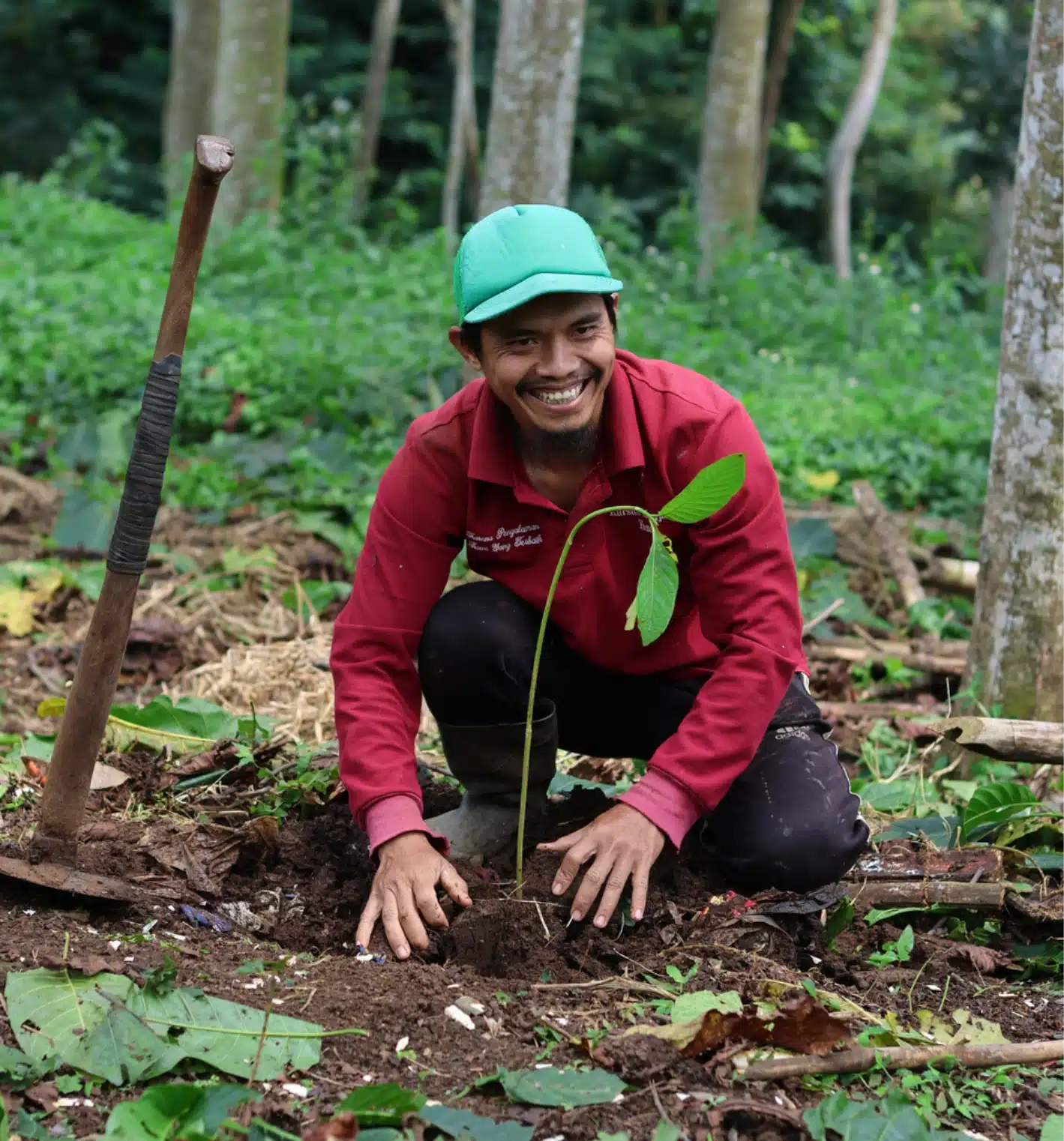
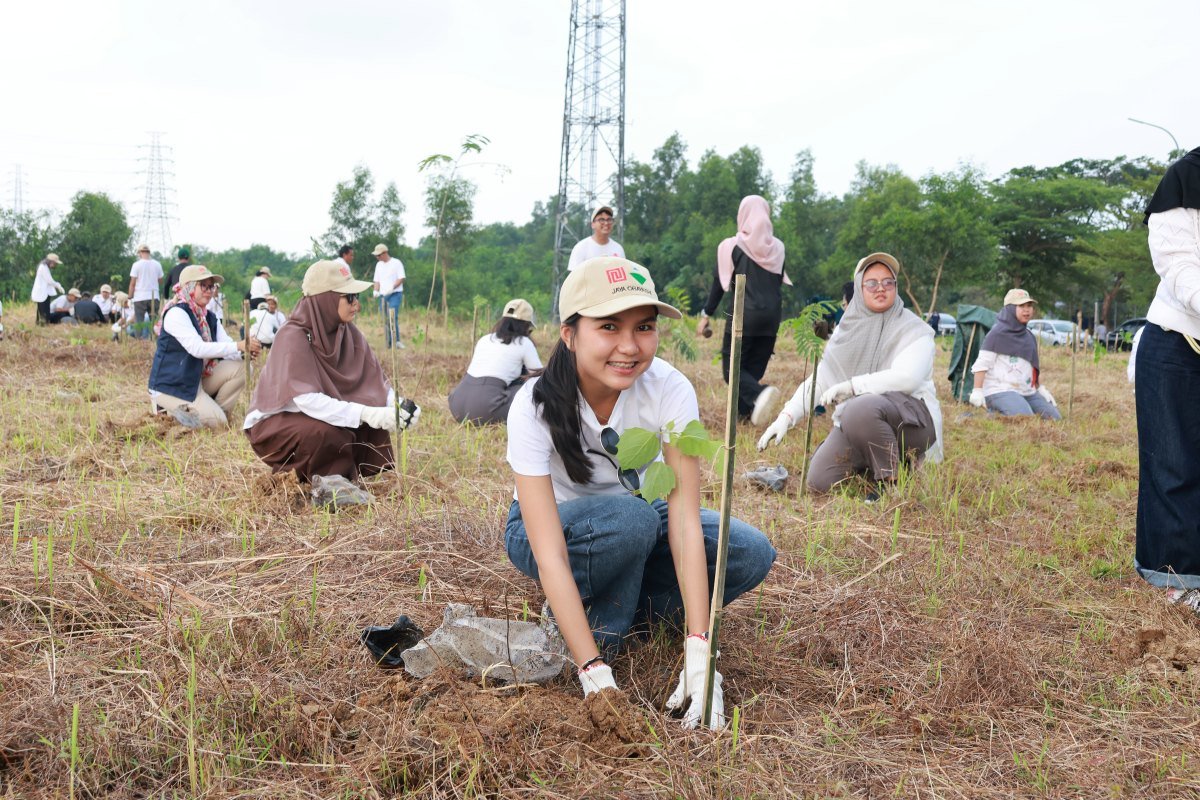
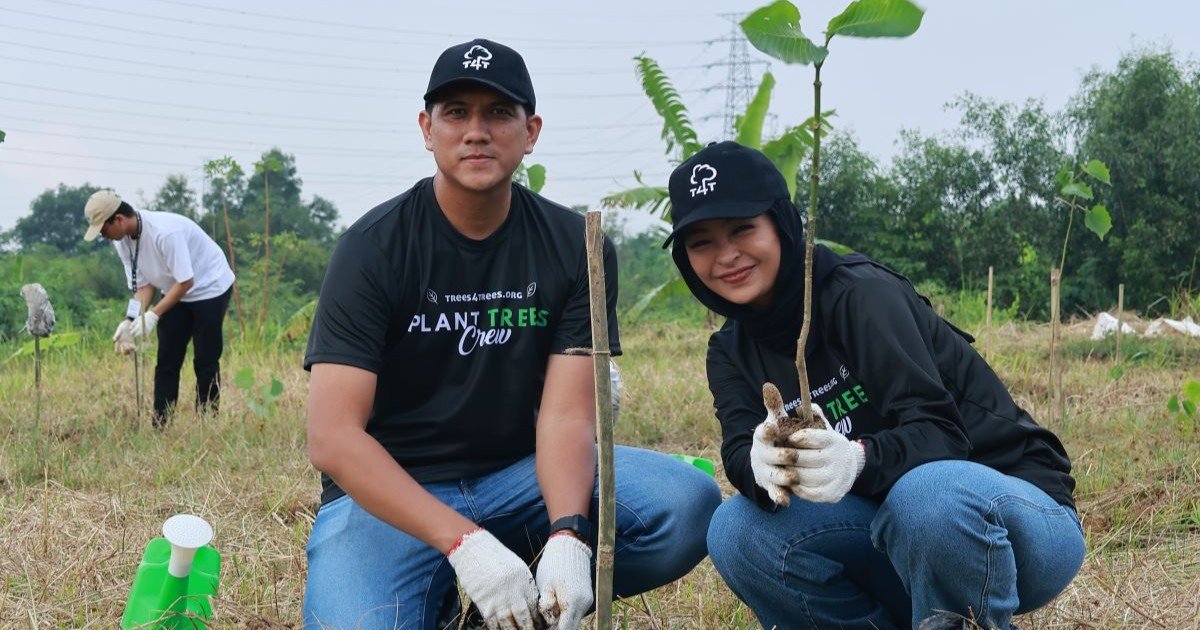
Citarum River is crucial in providing clean water access, irrigation, and electricity. Yet, its extreme pollution and watershed degradation threatens countless lives. Since 2020, we’ve planted trees in the watershed to support Indonesia’s reforestation goals, restoring this vital ecosystem.
Project Progress
0%
Trees planted
7.9 million from 20 million
Families helped
42,000
Total areas reforested
13,141 hectares
CO2 captured
1.73 tonnes CO2
Project started
2021 to now
Planting methods
Agroforestry
Click the image to see detail information
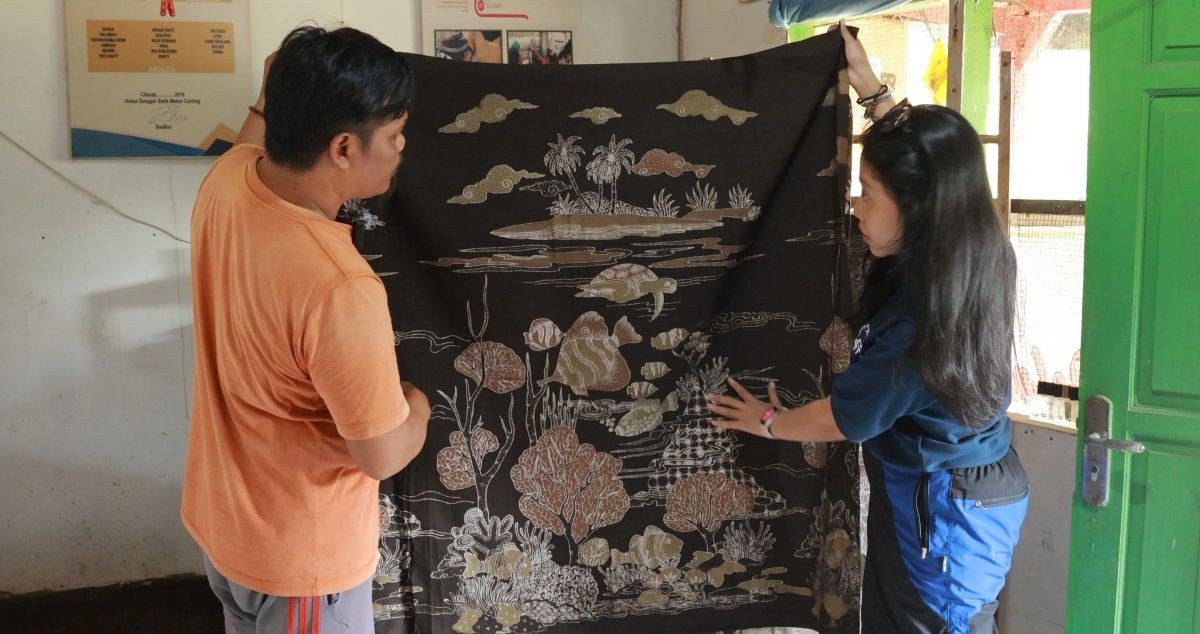
The Citarum River, stretching 185 miles, is the longest and one of the oldest rivers in West Java. Beyond serving as a vital water source for 27 million people, it supports irrigation for nearly 40% of regional rice production and powers electricity for much of Java and Bali. The river also holds deep cultural significance for local communities living along its course.
In recent decades, the Citarum has gained notoriety as one of the world’s most polluted rivers, with extreme pollution threatening countless lives. Environmental degradation caused by rapid development and industrial activities has severely impacted both local communities and the ecosystem’s health.
With the support of our partners, we’ve planted over 8 million trees since 2020, contributing to Indonesia’s reforestation goals. Our reforestation project focuses on restoring degraded land in the Citarum’s upstream watershed, spanning five sub-watersheds in Bandung and Bandung Regency: Cirasea, Ciwidey, Cisangkuy, Ciminyak, and Citarik.
By 2028, we aim to plant 20 million trees through social forestry to restore this vital ecosystem. This initiative addresses environmental challenges, improves local livelihoods, and preserves the cultural heritage tied to the Citarum landscape, including the sacred seven springs, where the river originates, recognized for their cultural, historical, and mystical value in local beliefs and wisdom.
Location :
Bandung and West Bandung Regency, West Java
Total area degraded :
200,000 hectares
Cause of degradation :
Land conversion to industrial areas and residentials; river pollution and siltation.
Potential area for planting :
77,000 hectares
Planting density :
20 million trees
Land Conversion
Excessive land conversion for industry, residential areas, unsustainable vegetable and livestock farming
River pollution
Pollution in Citarum River has caused severe environmental issues. These include river siltation, erosion, floods, droughts, and water scarcity, leading to critical land degradation upstream and disrupting local livelihoods
Engage Local Farmers
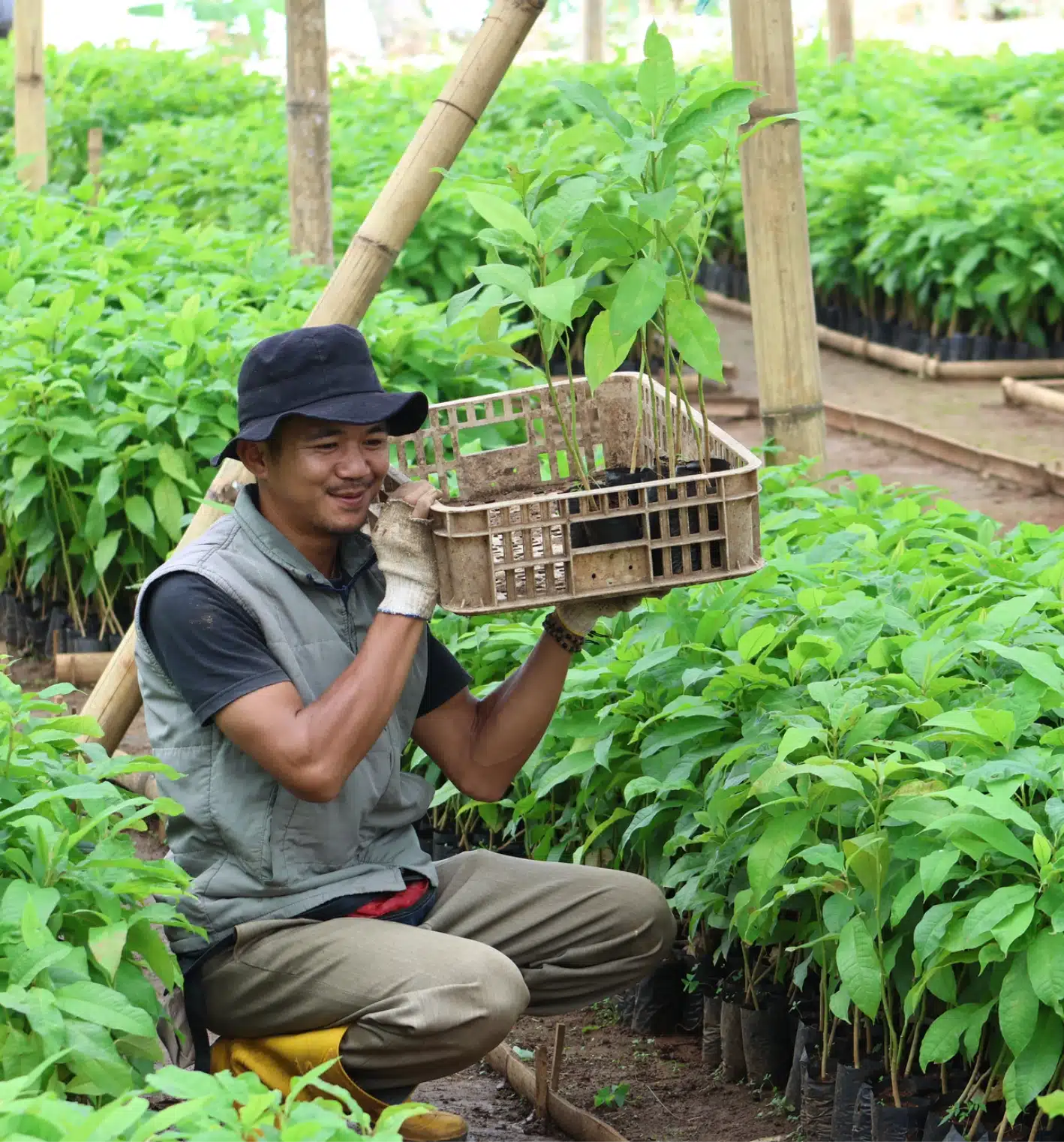
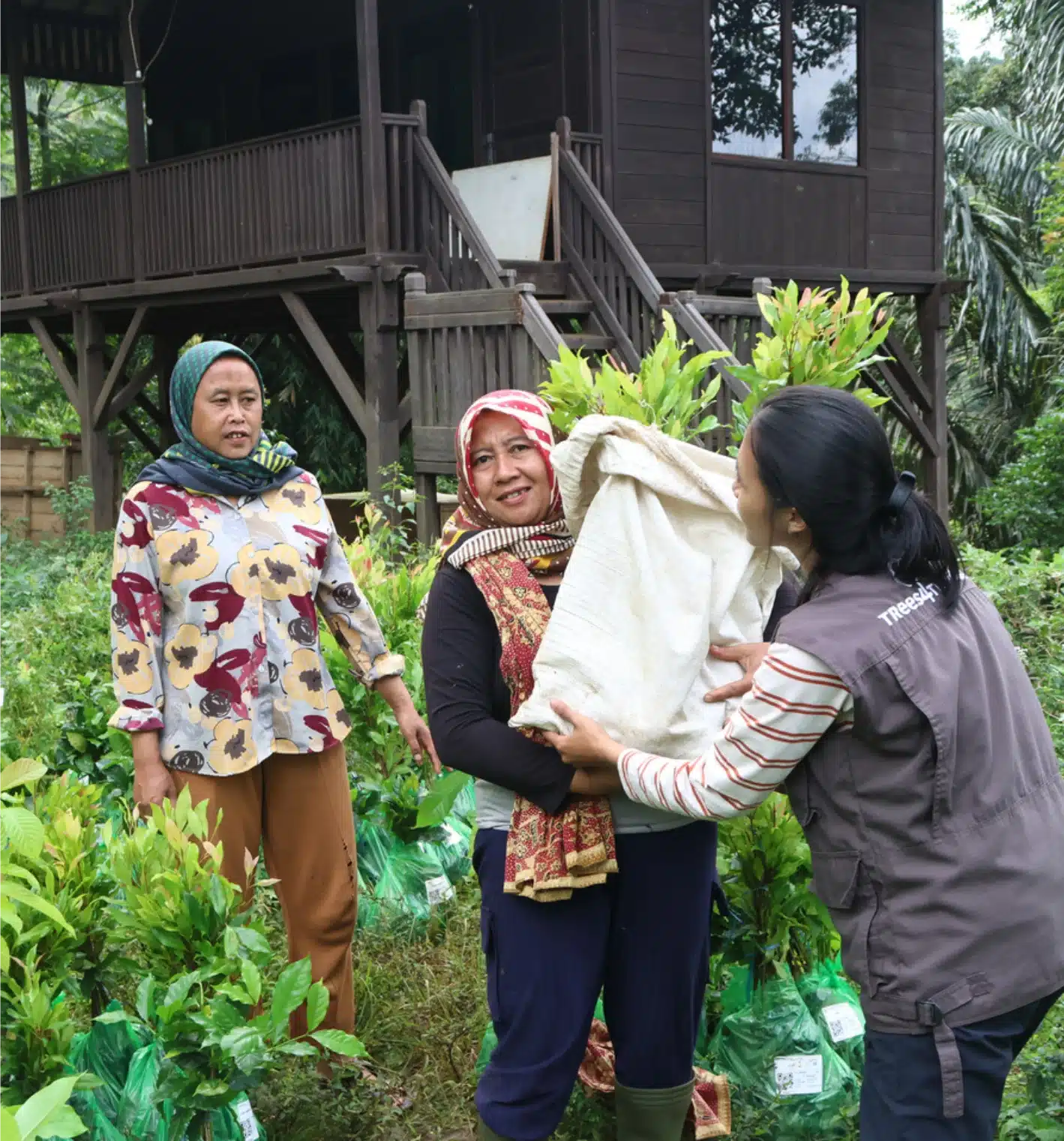
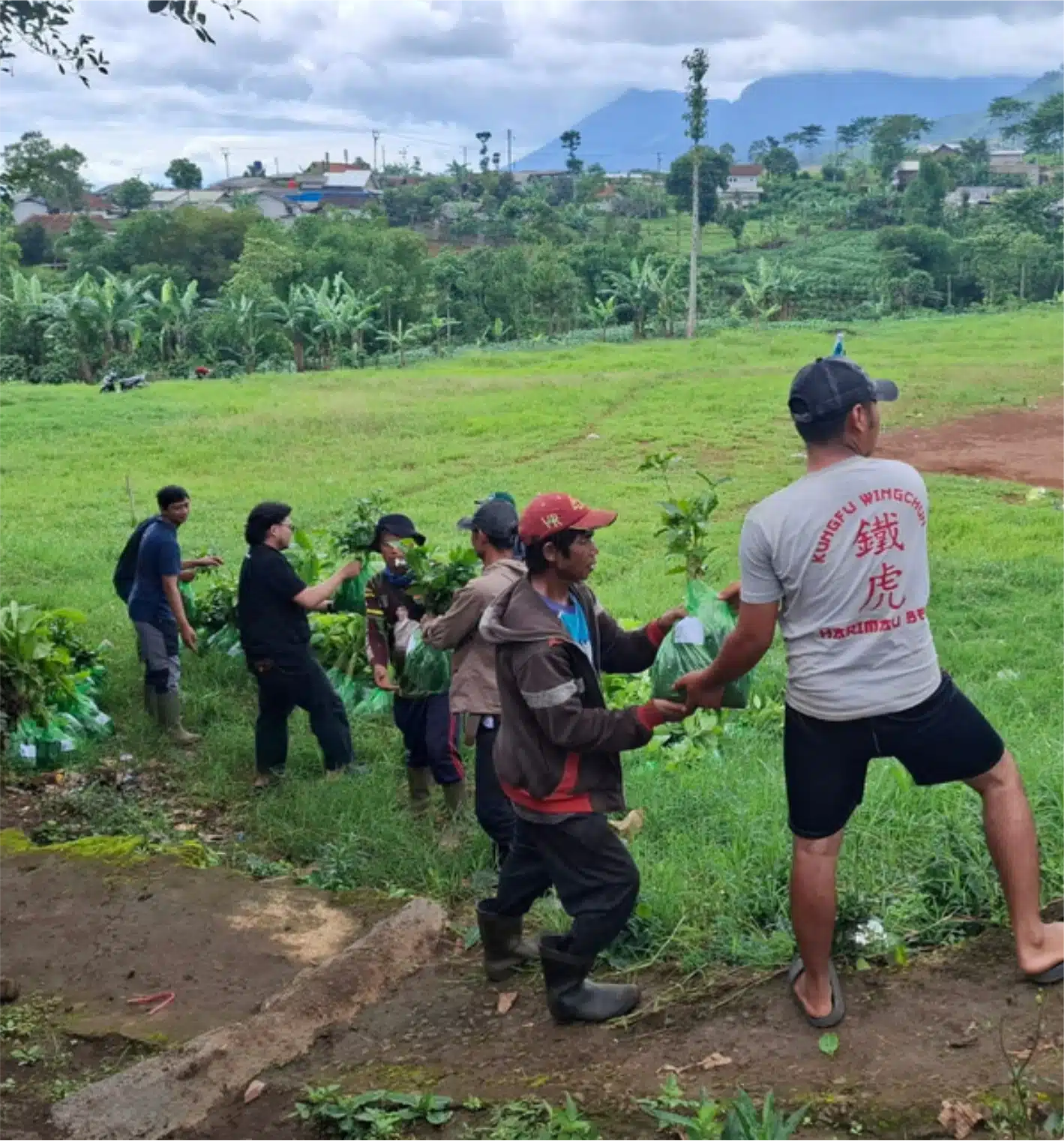
Additionally, it engages over 17,000 local farmers annually as tree-growing partners, with harvested fruit supporting their livelihoods.
Create Jobs
This tree-planting initiative benefits both the environment and local communities. It not only restores ecosystems but also creates jobs, employing over 900 local residents annually as field team members and over 400 annuallyas seasonal nursery workers.
The Citarum watershed is home to over 300 bird species, 20 fish species, 1,000 tree species, and 3,000 flowering plants, many of which are native, including tarum areuy (Marsdenia tinctoria), sugar palm (Arenga pinnata), and saninten (Castanopisis argentea).
Among the fauna are the Javan hawk-eagle (Nisaetus bartelsi) and black-crowned night heron (Nycticorax nycticorax), both threatened with extinction, as well as the slow loris (Nycticebus javanicus) and Javan leopard (Panthera pardus melas), two protected mammal species.
The upstream Citarum River is rich in natural resources that sustain local communities and biodiversity, including:
The Sacred Seven Springs of Citarum. They are Citarum, Cikahuripan, Cikoleberes, Cihanuwung, Cisadane, Cikawudukan, and Cisanti, located in the Wayang Windu mountains. These springs feed Situ Cisanti Lake, the source of the Citarum River, which provides vital water for life and livelihoods in West Java.
Waterfalls and hot springs, with potential as travel destinations.
The Sundanese people traditionally build houses from bamboo and have a unique resting place called a saung,a simple, open structure on stilts, usually located in the middle of a rice field. River stones are used as the foundation, and the structures are designed to harmonize with the natural contours of the land.
This project targets 20 million trees by 2028 to combat erosion, floods, and drought, restore ecosystems, and preserve biodiversity. It also strengthens local livelihoods and safeguards the cultural and spiritual heritage of the Citarum landscape.
Why Support This Project
Supporting this project helps local communities and the environment by:
Preventing erosion and improving soil quality, which supports agriculture and prevents landslides.
Stabilizing river streams vital for hydroelectric power, irrigation, and fisheries.
Restoring habitats, especially for endangered native species and preserving biodiversity.
Addressing water scarcity by replenishing water sources that supply over millions of people and irrigation.
Protecting the seven sacred springs of the Citarum River, which hold deep cultural significance for local communities.