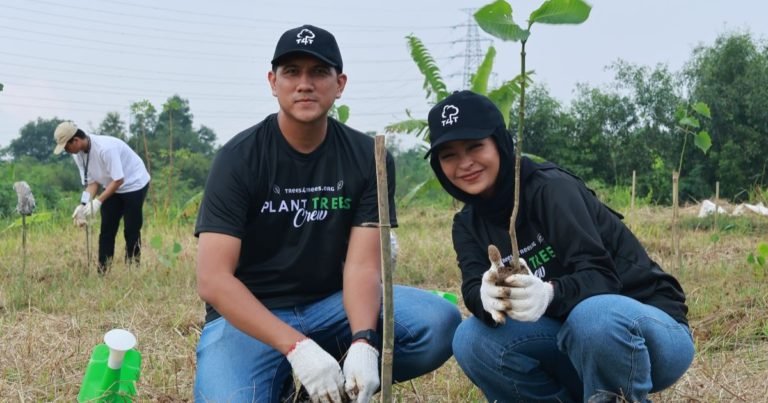
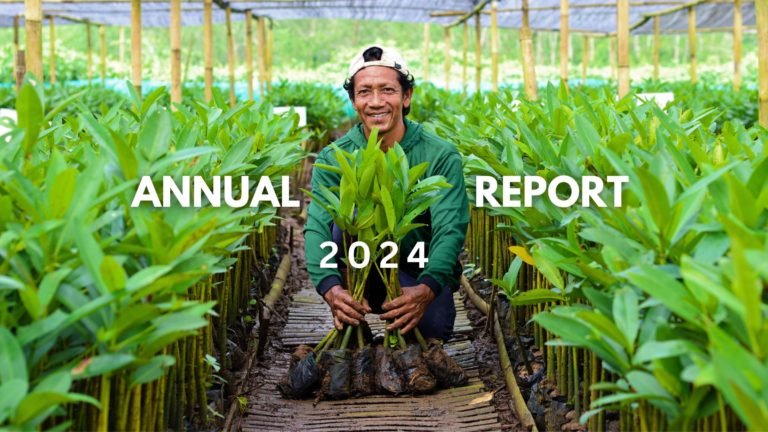
Every tree we plant with our supporters and helps restore ecosystem health and strengthens biodiversity.
Our tree planting safeguards wildlife habitats for diverse flora and fauna, including native, rare, and protected species. These efforts support ecological balance and reduce the risk of species extinction.
By restoring biodiversity through tree-planting, we contribute to the following Sustainable Development Goals (SDGs):
How Tree Planting Impacts Biodiversity Restoration
Terrestrial Habitat Restoration
Our tree-planting efforts restore degraded land and safeguard ecosystems, creating healthier habitats for diverse flora and fauna, providing resources like food, shelter, and breeding sites.
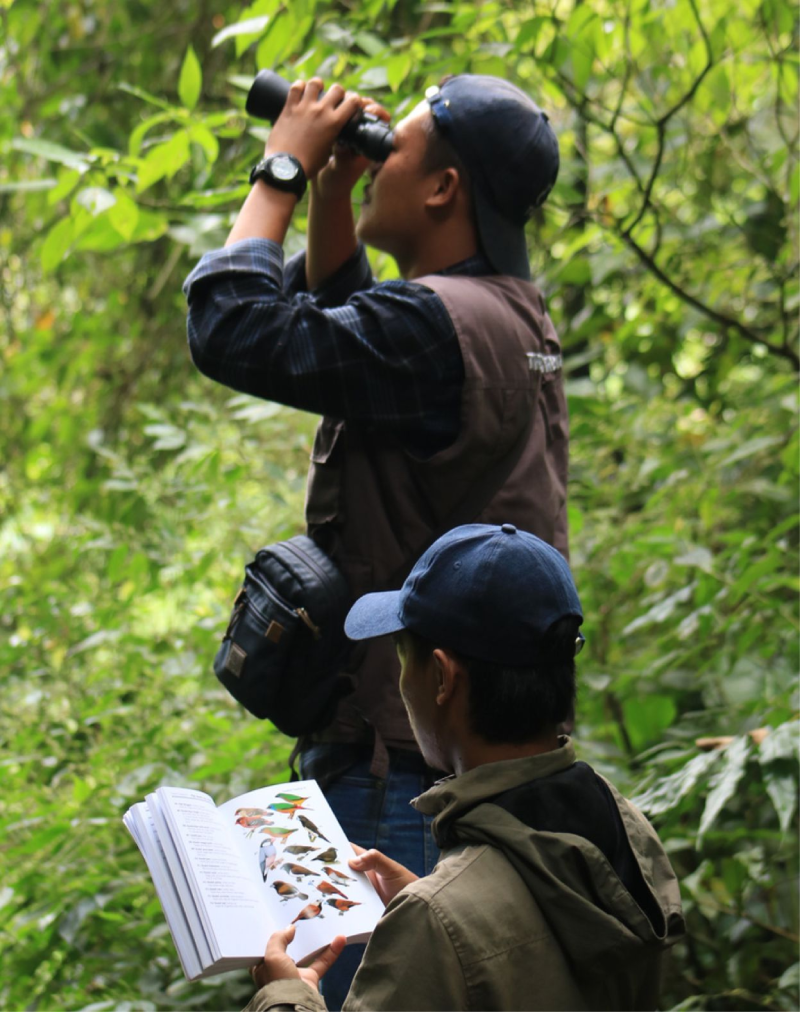
Our efforts include restoring the Citarum Watershed and Kebumen Geopark, both vital habitats for biodiversity. In Citarum, our assessments have identified no less than 66 animal species, including the critically endangered Javan slow loris and Javan leopard as well as protected birds brahminy kite and crimson sunbird.
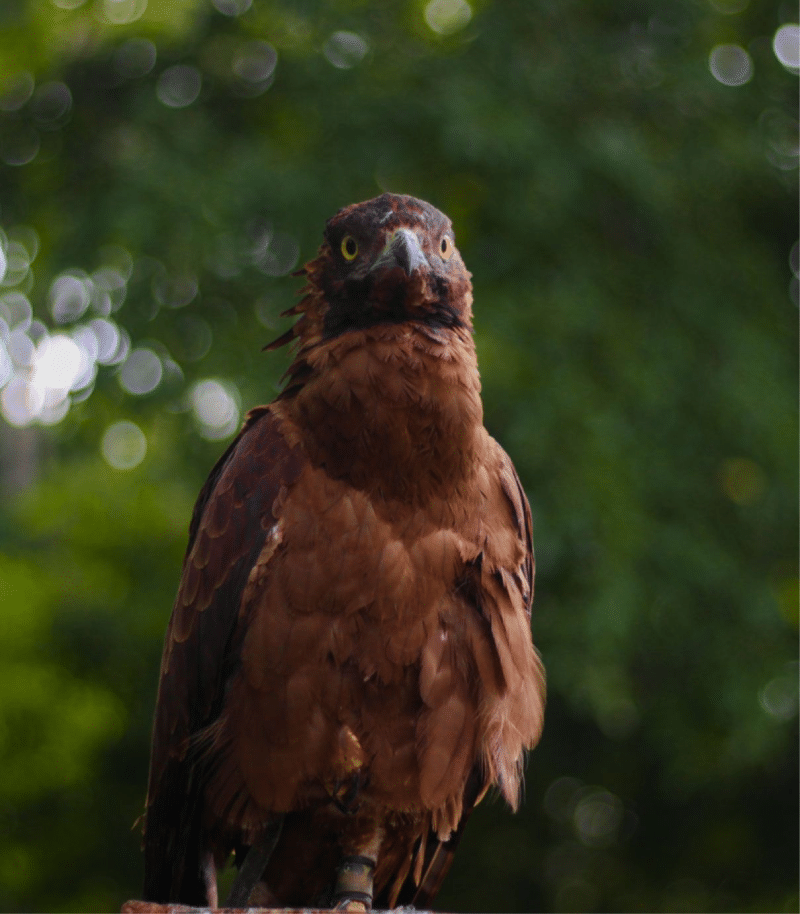
Kebumen Geopark also shelters the endangered Javan hawk-eagle and the vulnerable Indian sandalwood tree.
Coastal Habitat Restoration
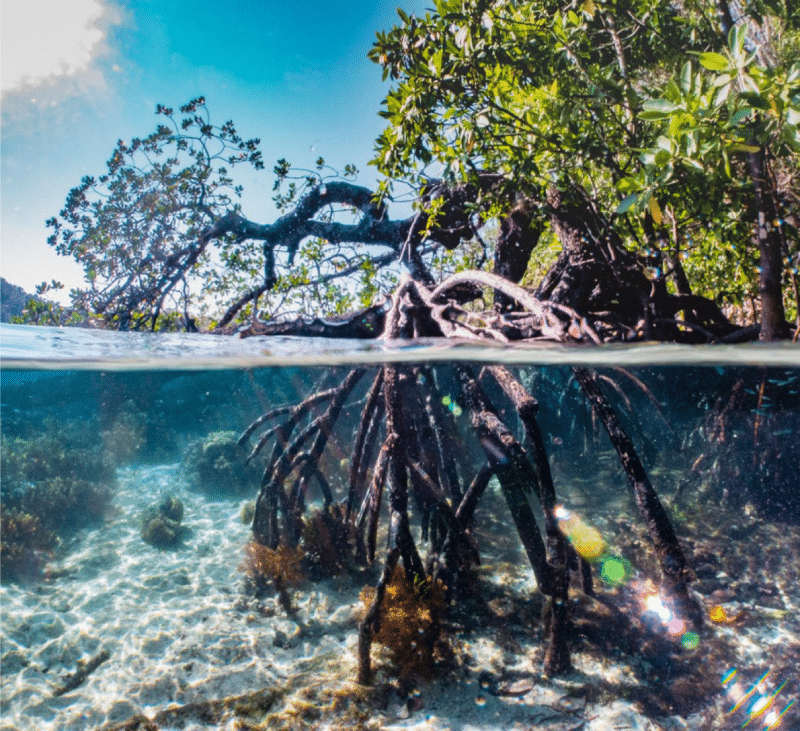
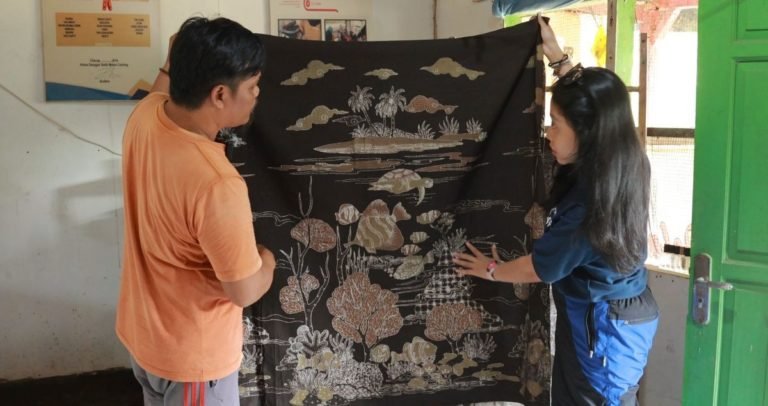
Our tree planting restore coastal ecosystems, creating healthier habitats for marine and coastal biodiversity. Some of which align with local culture and livelihoods. Mangroves serve as nursery ground for crustaceans like shrimps and crabs and fishes, offering economic value, while their fruits can be processed into food and their barks are used in traditional.
Our coastal restoration plants six species of mangroves and coastal pine tree in Pati, Semarang, and Cilacaap (Central Java) and Cidaun (West Java).
Native Tree Species Planting
Our tree planting initiatives focus on diverse species, especially native trees, to support species conservation, enrich biodiversity, and reduce extinction risks.
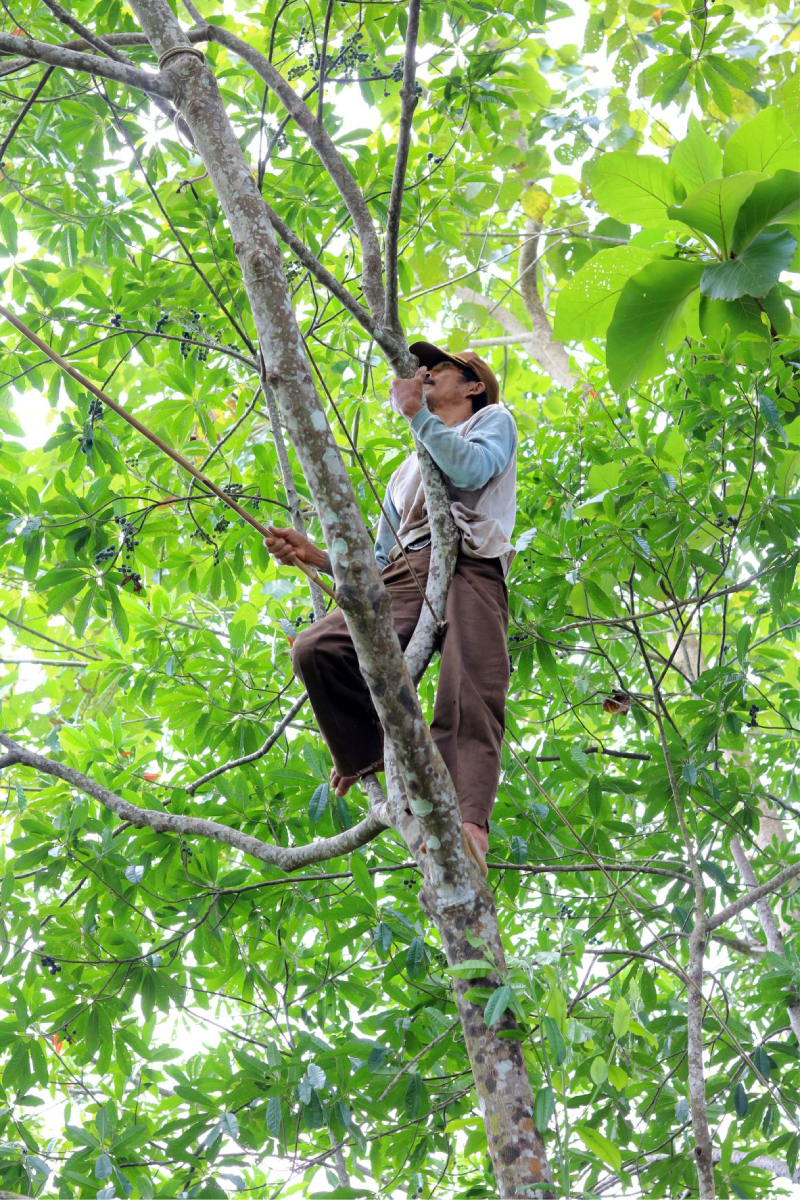
We plant 62 Indonesian native tree species, many of which are tied to local heritage. These include water-conserving species like pangi, used in local cuisine, and sugar palm, used in traditional sap tapping; highland trees like saninten and rasamala; iconic trees to West Java like puspa (needlewood) and gandaria (marian plum). The kepel tree, associated with the Yogyakarta Palace which fruits favored by Javanese princesses.
“I added sapodilla, damar, and rasamala, from the tree-planting program to my arboretum, started in 2018. My goal is to preserve biodiversity and educate people about native trees that are part of our culture.
Sutajaya, a Farmer from West Java
BY PLANTING TREES WITH US
you help protect wildlife habitats and safeguard biodiversity.
Citarum River, the longest river in West Java provides water as a vital source of life and biodiversity haven. Since 2020, together with our supporter, we’ve planted over 10 million trees to support the ecosystems that sustain this biodiversity.
See Other Impacts
Ecosystem Restoration
Ecosystem Restoration
Increase tree covers, restore degraded ecosystem, reduce greenhouse gases, conserve water and soil, and revitalize coastal areas.