Preserving Cultural and Environmental Treasures: Greening Yogyakarta with Daimler Indonesia

Tree-planting event in Yogyakarta with Daimler Indonesia
Greening Yogyakarta with Daimler Indonesia
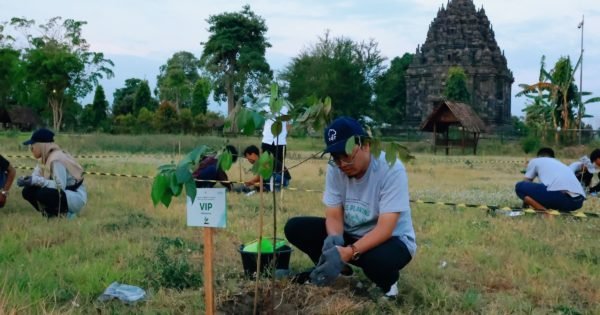
Photo: Trees4Trees/Yulianisa Dessenita

Centuries ago, kepel and sawo kecik trees were highly prized by the royal Mataram court of Central Java. Kepel fruits were the perfume of princesses at Yogyakarta Palace, while sawo kecik became a symbol of kindness that was recognized throughout the realm. Today, kindness returns to the soil of Central Java, with a planting activity born out of reverence for the region’s heritage. 

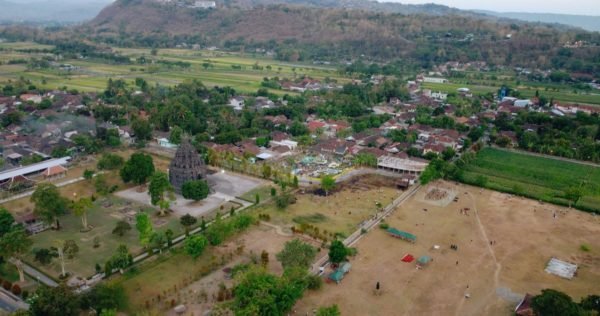
Sojiwan Temple (Candi Sojiwan) is a relic from this era. Located in Kebon Dalem Kidul Village, just over a mile from the more famous Prambanan temple, this ancient monument remains an important site for local communities.  

Every day, many people come to visit. With hardly any shade, this temple and its pilgrims are blasted by the midday sun. To provide some respite, Trees4Trees has been busy restoring the area to its former glory. 
Preserving Cultural and Environmental Treasures
With hardly tree covers, this temple and its pilgrims are lack of shades by the midday sun. Photo: Trees4Trees/Haryadi

New trees provide shelter and shade 

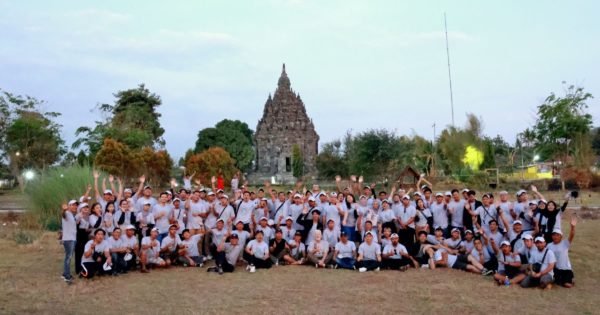
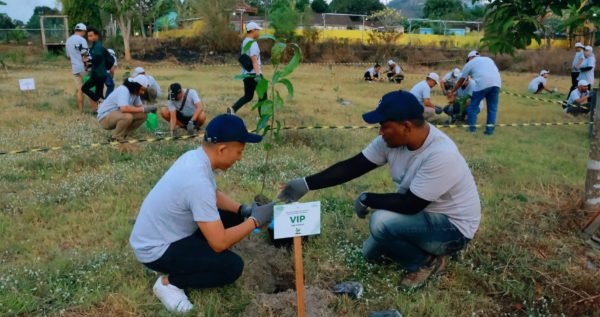
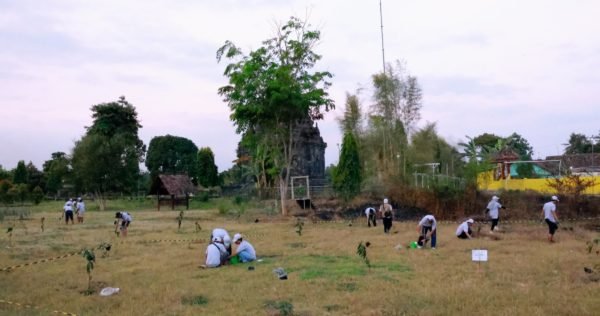
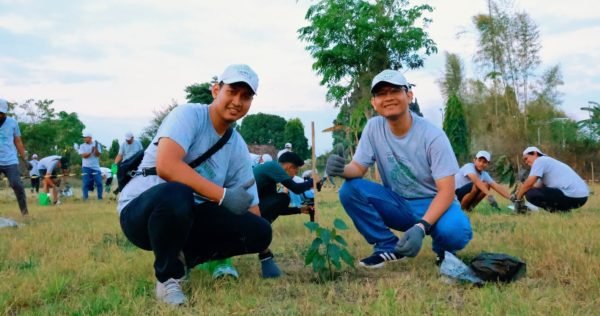
In early September 2023, Trees4Trees teamed up with 250 volunteers from PT Daimler Commercial Vehicles Indonesia (DCVMI) to plant trees around Sojiwan. The event was a golden opportunity to raise awareness and develop skills.  

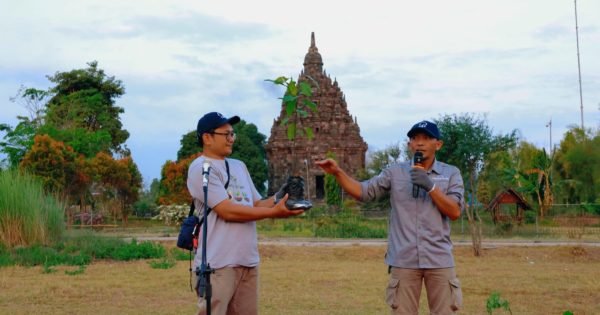
“Before planting, we provided an educational session to teach proper tree planting techniques,” explains Erni Setyaningrum, Trees4Trees Office Manager. “In total, we successfully planted 300 trees with DCVMI and helped to increase tree cover.” 
Greening Yogyakarta with Daimler Indonesia
(Above) Trees4Trees experts share tips on tree planting with the DCVMI team. Photo: Trees4Trees/Yulianisa Dessenita

Rizki Pradhitya, Trees4Trees Kebumen Unit Manager overseeing the event, added:, “We planted 55 trembesi (rain trees) to provide shade and cool down the area, addressing the lack of trees as shade. Additionally, we planted Gayam trees to conserve water sources and prevent drought, aligning with the local community’s ecological needs.” 

Fun facts about trembesi trees 

  1. Also known as the ‘rain tree’ or ‘monkey pod tree’ 
  2. They can absorb up to 10 times as much CO2 as other species.  
  3. Their leaves fold up in the rain, allowing more water to reach the ground.  
  4. Their roots suck up large amounts of ground water, which helps prevent flooding and soil erosion during the wet season.  
  5. In 2010, Indonesia planted more than 1 billion trembesi trees as part of a nationwide conservation program.

Reconnecting with royal roots 

In addition to trembesi and other shady species, various trees were planted that hold cultural significance for the area. As Rizki explains, “we planted three species closely tied to Yogyakarta’s cultural heritage and indigenous to the region: duku, kepel, and sawo kecik trees.” 

Duku in particular is beloved by the local community and has a special place in Yogyakarta society, due to its popularity as a local fruit. 
Preserving Cultural and Environmental Treasures
Photo: Trees4Trees/Yulianisa Dessenita
Greening Yogyakarta with Daimler Indonesia
(Above) Volunteers gather to plant trees around the Sojiwan Temple. Photo: Trees4Trees/Yulianisa Dessenita

Growth and transformation: Paying tribute to Buddhist heritage 

Another tree chosen for the event was the Bodhi, also known as ‘the tree of awakening.’ This variety was chosen for its religious significance and close association with Sojiwan as a Buddhist temple. 

“There were already a few Bodhi trees in the temple area,” said Rizki. “We’ve added 55 new Bodhi trees (because they are) considered sacred by local communities and have a strong connection to Buddhist history,” he added.  
Greening Yogyakarta with Daimler Indonesia
(Above) Tree of awakening: Trees4Trees plant sacred Bodhi trees in deference to Sojiwan as a Buddhist site. (Below) Mango trees are planted due to their service as shades and production of fruits. Photo: Trees4Trees/Yulianisa Dessenita
Tree-planting event in Yogyakarta with Daimler Indonesia
Greening Yogyakarta with Daimler Indonesia

Next steps: Branching out to Gunung Kidul, Yogyakarta  

Following the success of Daimler Indonesia’s tree-planting project, an additional 4,700 trees will soon be planted in various villages around Semanu District, Gunung Kidul, Yogyakarta. With support from Daimler Indonesia, Trees4Trees, will continue working to heal the land and promotes water conservation. 
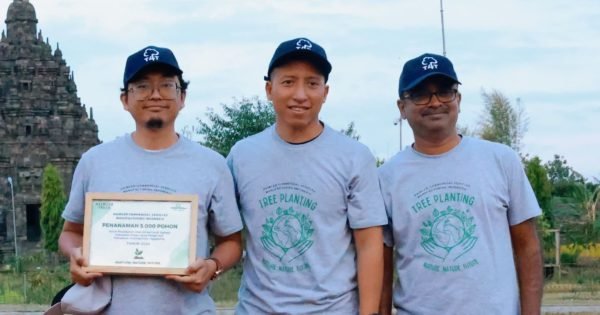
Tree-planting event in Yogyakarta with Daimler Indonesia
(Above) Daimler management representatives Adriana Sukmana P (left), Aditia Satrio Putro (center), and Sathish S (right) joined the planting efforts and were presented with Trees4Trees certificates. Photo: Trees4Trees/Yulianisa Dessenita

“Drought and water scarcity are common problems in Gunung Kidul, especially during the dry season,” explains Haryadi, Trees4Trees GIS Officer. “This area also has a significant amount of degraded land. That’s why, we will plant trees – to help improve the environment.”  

Rizki added that many local farmers have already requested new tree species for the area. They requested a mix of teak, Albizia, burflower, guava, mango, kelengkeng, and rambutan to enhance the environment. According to Rizki, “these tree species contribute to improving the livelihoods of local residents, due to their economic value through the production of fruits, leaves, and other tree products.” 

From economic value to environmental impact and from shade to religious tribute, these new trees will provide a wide range of services to the area surrounding Sojiwan Temple. Together, Trees4Trees and Daimler Indonesia are paying tribute to the past, while also building for a greener, more sustainable future. 

Writer: V. Arnila Wulandani. Editor: Christopher Alexander

Nursery Highlights: Dedicated and Coordinated Trees4Trees Nursery Teams

In the operations of Trees4Trees’ nurseries, we place a high priority on strong coordination and cultivate a culture of hard work and perseverance within our team to nurture tree seedlings and achieve successful growth and thriving saplings.  

In addition to seedling cultivation, our nursery teams are also responsible for the development of essential facilities within the nursery. 

Explore further through images we captured below to learn about our dedicated team’s daily efforts to enhance the nursery and provide essential supporting facilities. 

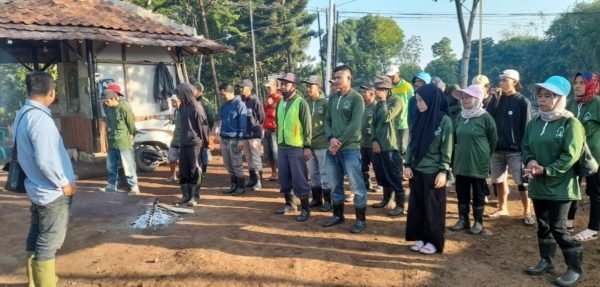
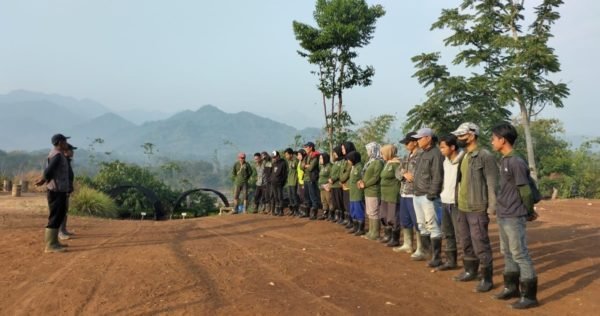
Every morning, our nursery team holds a daily briefing to coordinate tasks within the nursery. (above) The Ciminyak nursery team and (below) the Soreang nursery team conduct their morning briefings before starting work. 

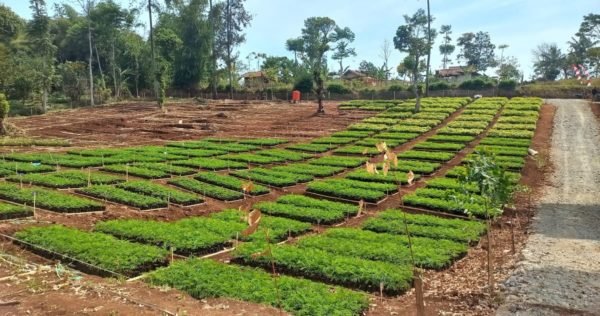
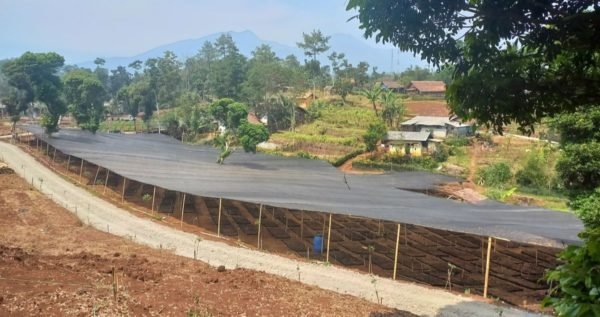
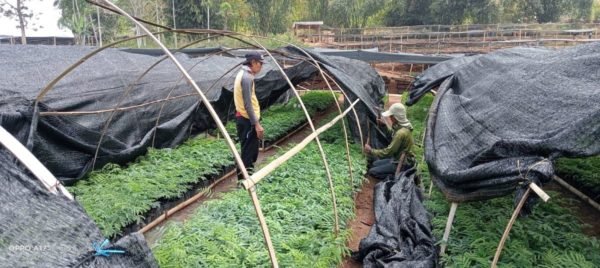
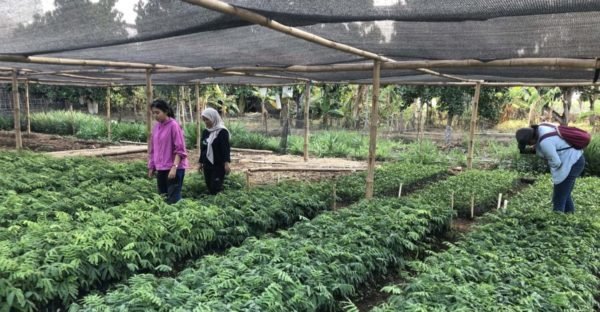
(Above) As tree seedlings flourish and thrive, we can see green seedbeds in the openair areas of Cirasea nursery. (Below) Large shading net roofs are installed to provide shade to Bur-flower tree seedbeds, promoting optimal growth and preventing excessive sunlight, especially in this dry season. 

(Above) As tree seedlings flourish and thrive, we can see green seedbeds in the openair areas of Cirasea nursery. (Below) Large shading net roofs are installed to provide shade to Bur-flower tree seedbeds, promoting optimal growth and preventing excessive sunlight, especially in this dry season. 

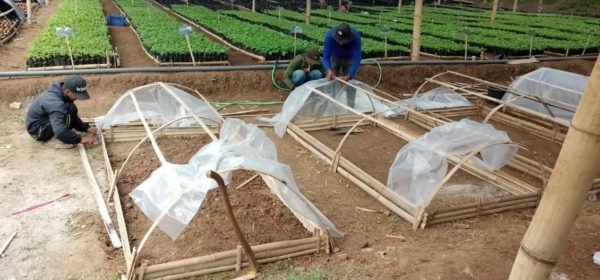
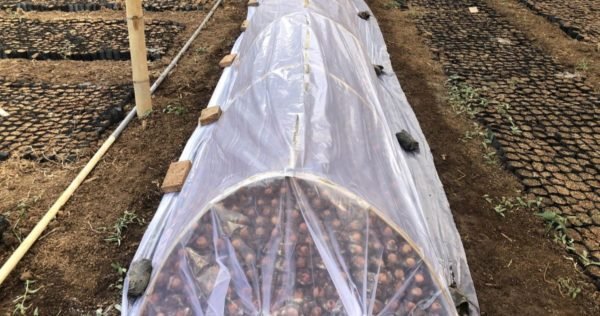
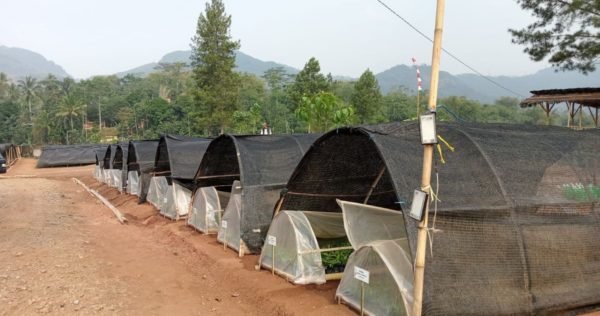
Soreang Nursery team (above) is installing plastic plant covers to the sowing seedbeds. The plant covers the purpose of keeping the humidity and protecting the little seedlings from rainwater runoff, wind, excessive sunlight, and pests’ attack. Pati Nursery team (below) is protecting avocado seedlings with plastic plant covers.  

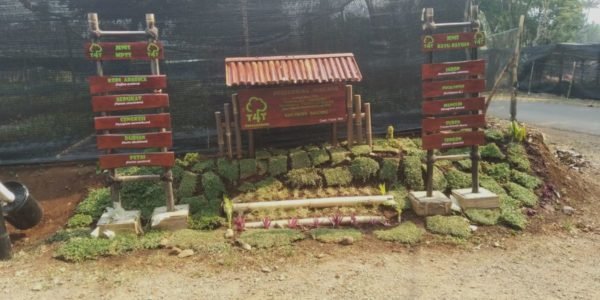
It has been months since we began the Soreang Nursery operation. The Soreang Nursery team has already installed a name plate, marking the location of Soreang Nursery as the newest addition to Trees4Trees’ nurseries in Bandung regency.  

Recently, our team welcomed Samantha Davolos, a scientist from one of our partners, Plant for the Planet (PFTP), who visited our nursery in Pati to gain insights into the plants we have grown on behalf of PFTP. In addition to the nursery visit in Pati nursery, the PFTP’s scientist also toured our Kebumen nursery. Trees4Trees and PFTP have been collaborating on tree-planting for the past six years since 2017.  

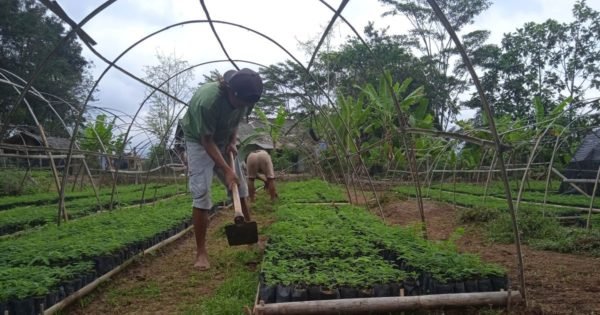
Ensuring the optimal growth of seedlings requires the essential task of clearing excessive weeds from the planting areas. In the Kebumen nursery, our team diligently worked to remove weeds around the seedbeds where our seedlings are thriving. 

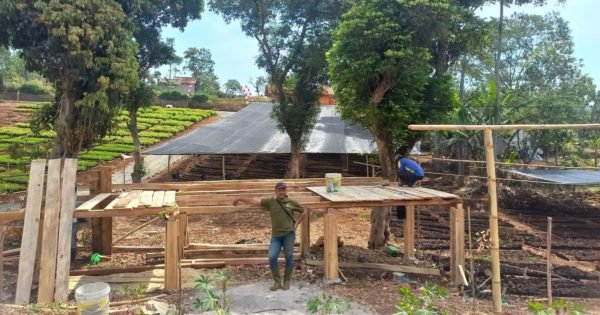
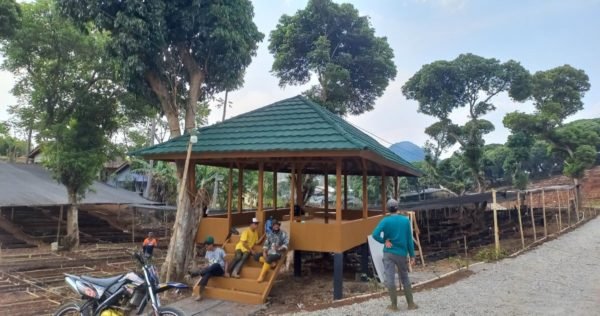
The Cirasea team has recently constructed a new ‘saung,’ a traditional resting shelter made from bamboo, wood, and straw, as an additional support facility within the nursery area. This new ‘saung‘ will provide a resting place as well as an open-air discussion area. (Below) The new ‘saung‘ is fully finished and is being used by our nursery workers for taking a rest. 


A Breath of Fresh Air: Tackling Air Pollution in Jakarta

Planting Trees to Combat Jakarta Pollution
Planting Trees to Combat Jakarta Air Pollution
Photo: jakarta.go.id

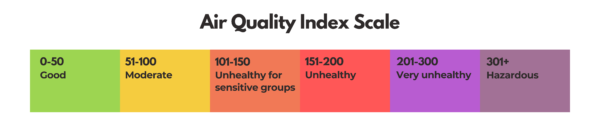
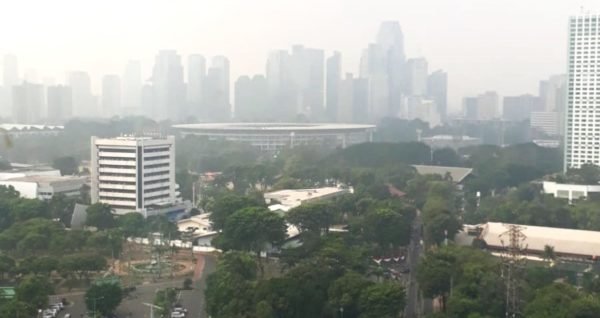
In recent months, Jakarta, has been choking in air pollution. Since May, Indonesia’s capital has regularly been ranked in the global top 10 of polluted cities – on Monday morning (9/25), it was ranked second worst in the world after registering an Air Quality Index (AQI) score of 153.  

But Jakarta isn’t the only Indonesian city grappling with air pollution. Palembang, Indralaya, Depok, Tangerang, and Medan have all gone into the red on the AQI recently, with readings above 160. For city dwellers, this has potentially life-threatening consequences – air pollution causes diseases like bronchitis, chronic obstructive pulmonary disease, asthma, pneumonia, and cancer. 

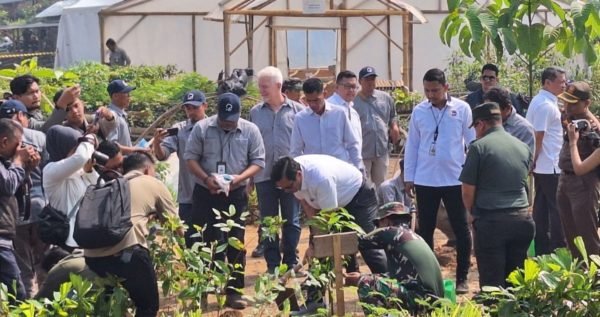
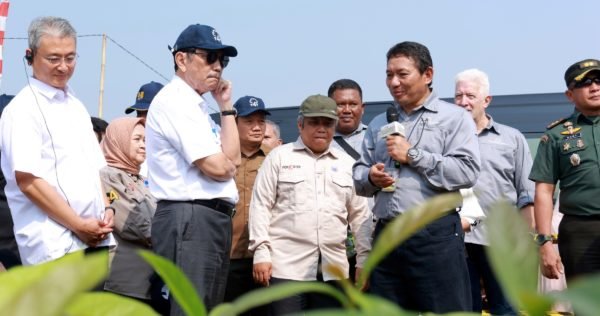
Faced by a health crisis and an environmental disaster, Indonesia is working to find solutions. During a recent visit to Trees4Trees’ Ciminyak nursery, government minister Luhut Binsar Pandjaitan made his commitment clear. “We need collective efforts to fight air pollution,” said the minister. “Planting trees is one of the effective solutions to sequester carbon emissions, combat air pollution, and mitigate global warming,” he added.  

Planting trees to combat jakarta pollution
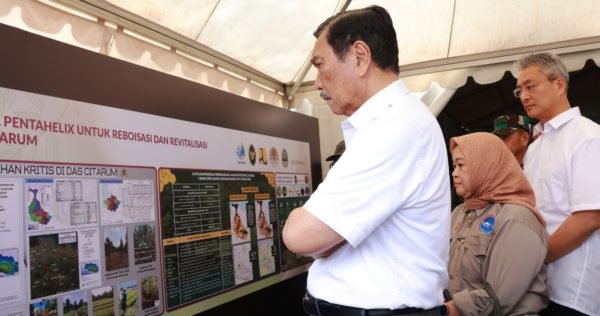
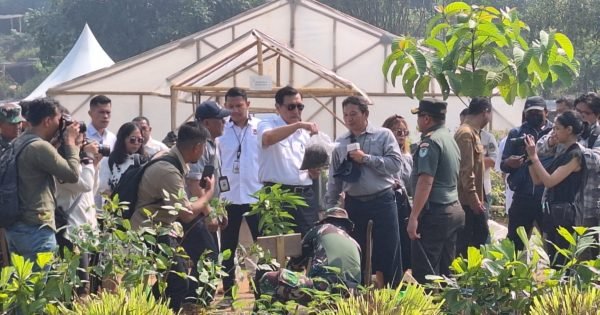
(above) Minister Luhut Binsar Pandjaitan inspected trees at Ciminyak Nursery during the visit to the Citarum River Revitalization Project.
Planting Trees to Combat Jakarta Air Pollution
(Above) The air pollution index helps visualize and communicate the dangers of air pollution to the public

Read also: Regreening Concrete Jungle Through Urban Forest

Causes of air pollution 

There are three major causes of air pollution in Jakarta, all of which can be connected to human activities: transportation, industrial areas and plantations, and power plants burning fossil fuels.

Planting Trees to Combat Jakarta Pollution
(Above) Jakarta air pollution in the morning. Photo: Trees4Trees/V. Arnila Wulandani

Impacts on human health  

According to the monitoring app IQAir, Jakarta currently has a Particulate Matter (PM) 2.5 pollutant concentration 13.5 times higher than the WHO’s guideline value.  

PM 2.5 refers to particles found in the air, including dust, soot, dirt, smoke, and liquid droplets that measure 2.5 microns or less in diameter. This high concentration of air pollution impacts health in a number of ways. 

Planting Trees to Combat Jakarta Pollution
(Above) City dwellers take protective measures. Source: Freepik/jcomp

Staying safe in the smog: Our top five tips  

If you live in a big city, or even if you’re just visiting, it’s important to protect yourself from air pollution. Here’s our top five tips for reducing the harmful impacts of air pollution on human health: 

  1. Wear a mask. An N95 mask can reduce – but not completely eradicate – the pollutants inhaled into the body when traveling in heavily congested areas with poor air quality. 
  2. Use an air purifier. Installing an air purifier in your home can help filter out harmful particles from the air. 
  3. Regularly check air pollution forecasts. This can help you plan your outdoor activities more wisely.
  4. Avoid outdoor exercise during pollution spikes. Poor air quality can make exercise unsafe. When smog levels rise, it’s best to keep the workout indoors.
  5. Close windows and doors. When the AQI goes above 150, keep your doors and windows closed.  
Planting trees to combat jakarta air pollution
(Above) Trees reduce pollution and improve air quality

Air pollution solutions: Getting to the root of the problem 

All the above measures can do is help us live with the symptoms. To figure out how to reduce air pollution, we must think bigger. Human activities are the cause of air pollution, but they can also be the remedy. Here are five ways to clean our atmosphere, for the good of the planet: 

  1. Leave the car at home: Use public transport, or – even better – try cycling or walking to work;
  2. Reduce idling: If you do commute by car, turn off your engine in those city traffic jams;
  3. Vehicle maintenance: Regularly maintain your vehicle, keep tires properly inflated, and ensure your car complies with emissions standards; 
  4. Responsible waste disposal: Compost leaves and yard waste; avoid burning garbage; and 
  5. Clean energy: Think about using gas instead of a wood stove. 

There is another way to combat air pollution; a strategy that can mitigate dangers to human health, while also contributing to a cleaner, greener environment. And that solution is simple: Planting trees.  

Read also: Trees That Absorb The Most Carbon Dioxide 

Trees suck harmful greenhouse gases from the atmosphere and sequester carbon in their roots and branches. They also produce life-giving oxygen, which helps clean our atmosphere and make the air safe to breathe. Recent studies have even discovered that cities with urban forests are noticeably cooler than those without1. 

 Trees4Trees is taking action to cool and clean our cities, for the benefit of people and planet. And you can join us in these effortsdonating trees is good for the environment, good for human health, and good news for local farmers! It’s a win-win situation.  

Writer: V. Arnila Wulandani. Editor: Christopher Alexander
Activity Highlights: Educating Farmers through Community Engagement

Planting consultation

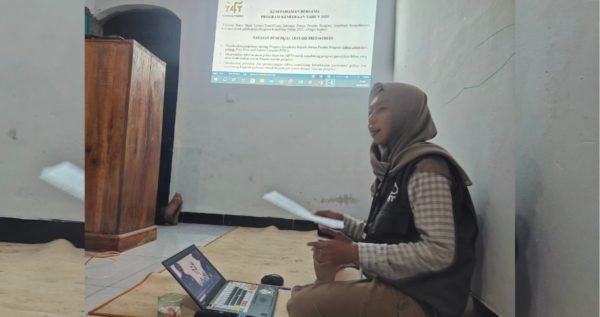
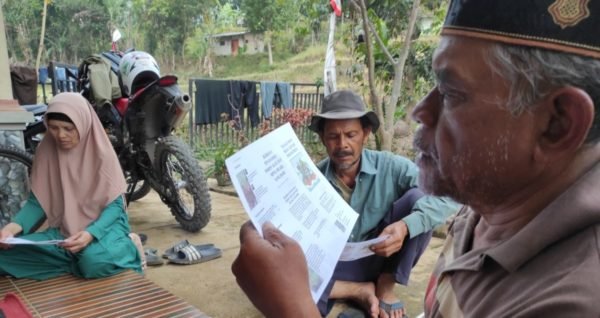
As part of Trees4Trees’ tree-planting process, our team in the field conducts community engagement sessions aimed at providing farmers with knowledge and information about tree-planting conditions and organic farming principles.

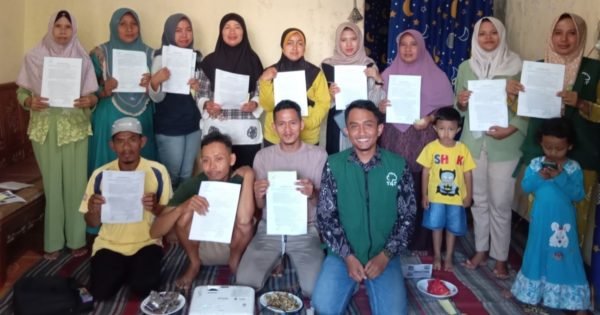
At this stage, our team also enters into partnership agreements with local farmers to establish them as tree grower partners in the upcoming reforestation program and ensuring the collection of data on farmers’ identities and land ownership details for the planting locations. 
Explore more about our tree-planting consultation and community engagement activities! 

Planting consultation stage Trees4Trees

This year, we’re partnering with more women farmers in various tree-planting areas. Our team in the Cisangkuy site (below) has already finished the socialization stage in Mekarsari Village and the Pati site (above) recently completed the tree-planting socialization session in Jrahi Village. In Pati, around 40% of tree grower partners are women, while in Cisangkuy, it’s about 30%. We encourage women farmers to participate in our tree planting program as part of our commitment to promoting women’s empowerment in our tree-planting operations. 

Planting consultation_Trees4Trees

Planting consultation_Trees4Trees

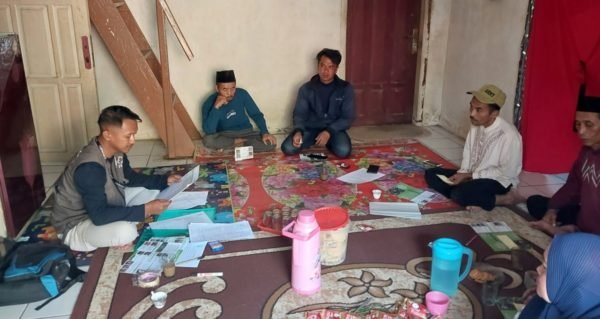
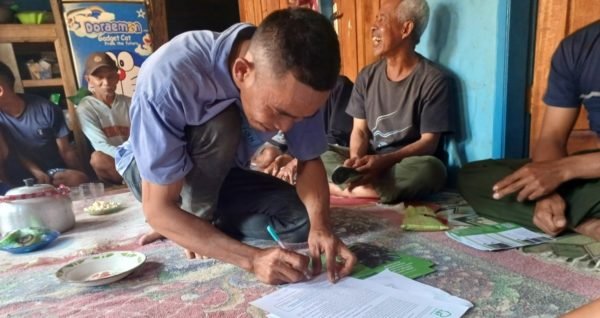
The tree-planting partnership entails an agreement between local farmers and Trees4Trees. Before signing the agreement paper, our teams in Kebumen (above) and Ciminyak 3 (below) sites provide a detailed explanation of the tree-planting conditions. The partnership is formed based on the local farmers’ willingness to join the program, with informed consent. 

Planting consultation_Trees4Trees

Planting consultation

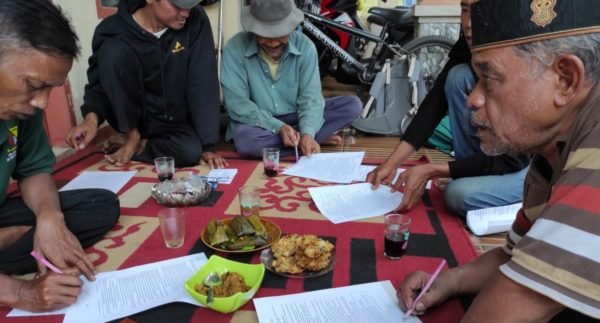
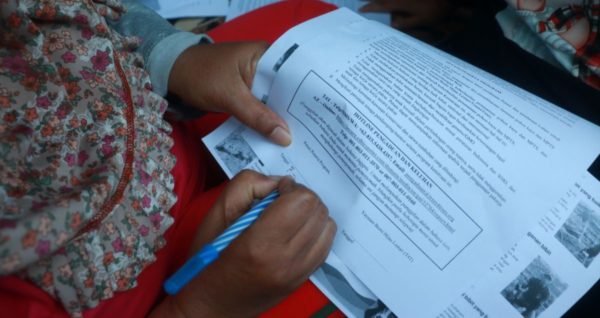
After comprehending and accepting the planting conditions and program partnership, local farmers in the Mandalahaji Village of Cirasea 3 planting site (above) and Sindangkerta Village within the Ciminyak 2 site (below) proceed to sign the agreement form. The agreement encompasses commitments to practicing sustainable farming, abstaining from the use of environmentally harmful chemicals, refraining from land clearing, not employing underage workers, and safeguarding the conservation areas surrounding the planting sites throughout the collaboration. 

Planting consultation

Planting consultation_Trees4Trees

In Nagreg Village, which is part of the Citarik site, a tree grower partner is in the process of signing the planting agreement. Alongside distributing copies of the agreement letter and organic farming brochures as instructional materials, Trees4Trees also provide each farmer with a hotline number they can use to report issues and ask for help throughout the partnership. 

Planting consultation_Trees4Trees

Our teams at the Cirasea 1 site (above) and Ciminyak 1 site (below) are actively sharing valuable insights and information with local farmers in Mekarwangi village and Tanjungwangi, respectively. This includes details about planting conditions, scheduling, and the principles of organic farming. The information covers aspects like estimating planting hole sizes, distributing tree seedlings, and setting up planting schedules.

Planting Consultation_Trees4Trees

Educating Farmers through Community Engagement

A participant from Cinangela Village, part of the Cirasea 3 site, is acquiring knowledge on the organic cultivation of timber and versatile trees like fruit trees. This valuable knowledge is being obtained from a brochure shared by the Trees4Trees team. The session also covers organic cultivation knowledge-sharing for a diverse range of trees, including timber and fruit trees. 

Planting consultation with Trees4trees Team

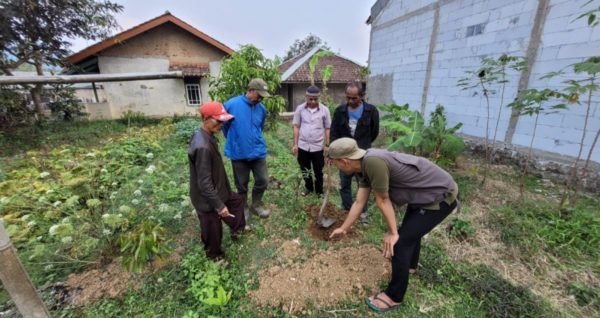
The knowledge-sharing session with farmers includes a demonstration of how to create planting holes. The Ciwidey team is providing a practical example of the proper size and depth for planting holes to farmers in the villages of Sukawening. 

Educating Farmers through Community Engagement

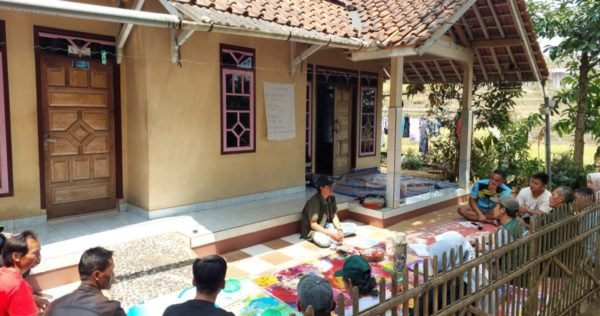
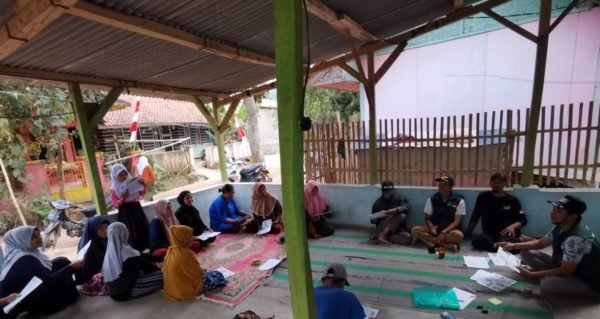
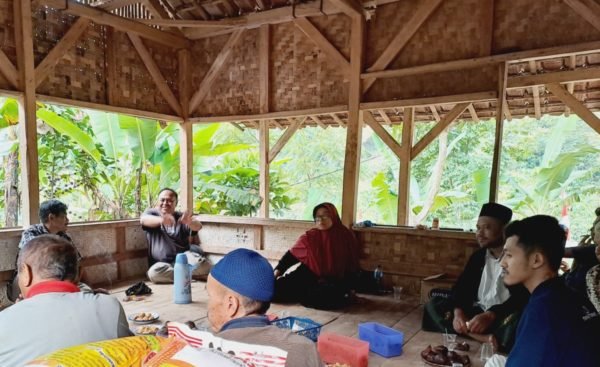
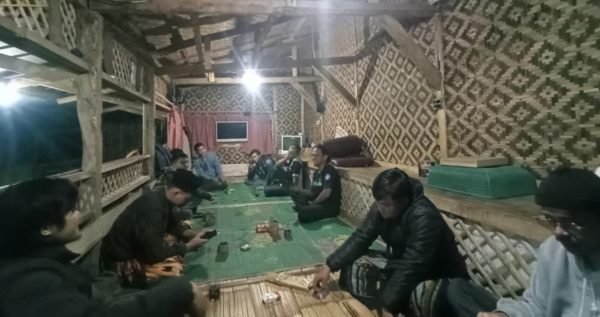
Our team from Cirasea 2 (above) is in discussions with farmers from Baleendah and Citarik team (below) is in discussion with farmers from Babakan Peteuy villages, regarding planting conditions. These discussions take place in a traditional Sundanese meeting house with an open-air design constructed from bamboo and wood. Sundanese traditional architecture is widely recognized in Indonesia for its eco-friendly design. 

Educating Farmers through Community Engagement


Minister Luhut Binsar Pandjaitan Inspects Trees4Trees’ Citarum Revitalization Project

Minister Luhut visited Trees4trees


Minister Luhut visited Trees4trees in Ciminyak Nursery

The Indonesian government is determined to revitalize the Citarum River. Since 2018, they have been working to address environmental challenges and achieve this goal through Citarum Harum, a program which is helping breathe new life into one of Indonesia’s most important waterways. 

In 2021, AstraZeneca teamed up with Trees4Trees and One Tree Planted to support this program and deliver the government’s targets. On August 29, 2023, we welcomed a delegation of honored guests to inspect the progress of our own Citarum River Revitalization Project, which contributes to Citarum Harum. This group included representatives from government ministries, program directors, and the country president of AstraZeneca.   

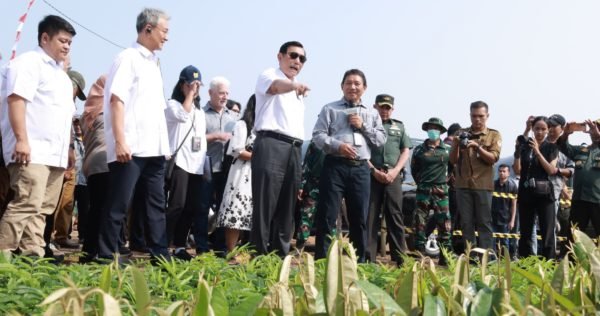
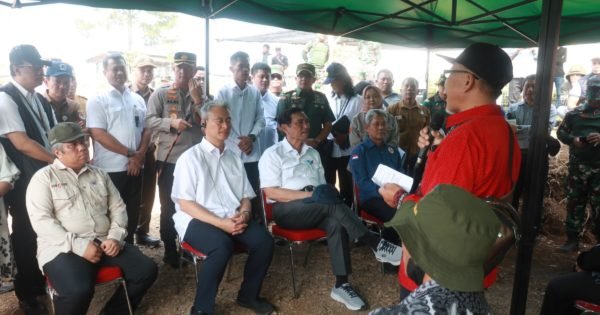
Leading the delegation was Luhut Binsar Pandjaitan, Indonesia’s Coordinating Minister for Maritime and Investment. Together with his team, he inspected Trees4Trees’ Ciminyak Nursery, held discussions with local stakeholders, and checked on seedlings that will help reach a target of 20 million trees planted by the end of 2027. 

Minister Luhut visited Trees4trees in Ciminyak Nursery
(Above) Luhut Binsar Pandjaitan, Indonesia’s Coordinating Minister for Maritime and Investment

Accelerating Citarum watershed revitalization 

The Citarum watershed is home to around 160,000 hectares of degraded land, two thirds of which is found outside of forest areas. If left untended, degraded lands can become a source of environmental problems like erosion, floods, and droughts. An environmental and humanitarian crisis is already beginning to unfold. Action is needed now to reverse these worrying trends. 

To prevent disaster, these areas should be the focus of revitalization efforts – a point emphasized by Saparis Soeharjanto from the Ministry of Environment, Forestry, and Climate Change (MoEF) during the official visit. As the Director of Watershed Planning, Evaluation, and Control, he committed his support to driving this development forwards.  

Minister Luhut visited Trees4trees in Ciminyak Nursery
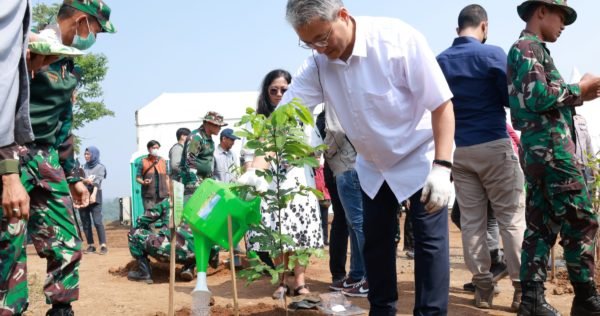
(Above) Minister Luhut and Trees4Trees’ program manager plant ceremonial trees in West Java

Working with farmers to rehabilitate degraded land 

The program, which is funded by AstraZeneca Forest, is helping rehabilitate degraded land within five sub-watersheds of the Citarum: Cisangkuy, Ciwidey, Cirasea, Ciminyak, and Citarik. So far, more than 42,000 local farmers have joined up as tree grower partners.  

According to Se Whan Chon, who is the President of AstraZeneca Indonesia, the program focuses on ecosystem restoration and clean water access within the watershed, as well as creating new livelihoods through agroforestry.  

Minister Luhut visited Trees4Trees in Ciminyak Nursery
(Above) Se Whan Chon, Country President of AstraZeneca Indonesia, plants a tree during his official visit

“AstraZeneca wants to be a part of the journey to help Indonesia improve its environment, particularly in the context of the Citarum River Reforestation Project,” explained Se Whan Chon during a discussion with Minister Luhut and other parties during the visit. “Trees4Trees, our local partner, has been working closely with farmers to educate and engage them,” he added. 

Last year, this program successfully planted 4.5 million trees. A total of 20 million are expected to take root by 2027. Trees4Trees’ nurseries have been – and will continue to be – crucial to delivering these targets. “We operate three nurseries with a combined capacity of over 5 million seedlings to support the 2023 tree-planting initiative,” explains Pandu Budi Wahono, Trees4Trees’ Program Manager.  

“This year, we aim to plant 4.5 million more trees to rehabilitate the degraded lands of Citarum,” explains Trees4Trees’ West Java Regional Manager, Tomi Bustomi. “We’ll be working with 21,000 farmers to achieve this goal by early next year,” he added.  

Minister Luhut visited Trees4Trees in Ciminyak Nursery
(Above) Trees4Trees program manager showcases seedlings’ progress during the recent visit by Government Minister Luhut Binsar Pandjaitan.
Minister Luhut visited Trees4Trees in Ciminyak Nursery
(Below) A local farmer shares his experience with Minister Luhut and offers advice for how to achieve positive impacts

Turning local impacts into global benefits 

During the visit, Minister Luhut pointed out the bigger picture of these replanting operations, describing tree planting as one of the best defenses we have in the fight against global heating. 

“We are witnessing severe pollution, not only in Indonesia but around the world,” said the minister. “Planting trees is an effective solution to sequester carbon emissions and combat pollution,” he added. 

The minister also highlighted the crucial role farmers have to play in this fight, as they are on the frontline of reforestation efforts. “Farmers,” said the minister, “make a significant contribution to emissions reduction through tree planting, and we should take pride in their efforts.” 

Through continuous recruitment, empowerment and planting support, Trees4Trees and our partners will continue to help farmers revitalize the Citarum watershed. By regreening at the local level, we are helping them make a difference on a global scale.  

To learn more about Trees4Trees replanting programs, and to find out how you can get involved, go to trees4trees.org. 

Read more:

A Hub of Biodiversity: Exploring Citarum

Travels in Java: Situ Cisanti and the Source of Citarum River

Nursery Highlights: Nurturing Seedlings for High-Quality Results

Pemupukan bibit sengon_persemaian pati_20230801_Trees4Trees

In the pursuit of cultivating high-quality seedlings, the Trees4Trees nursery team employs various routines and techniques throughout the seedling growth process. Through diligent care and proper maintenance, these tree seedlings will thrive and mature into young trees, ready to make a positive impact on the environment. 

Join us in witnessing our dedicated efforts to nurture and care for these tree seedlings in our nurseries 

Nurturing Seedlings for High-Quality Results; Pemupukan bibit sengon_persemaian pati_20230801_Trees4Trees

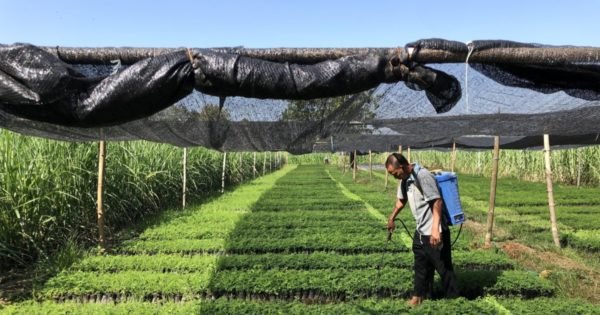
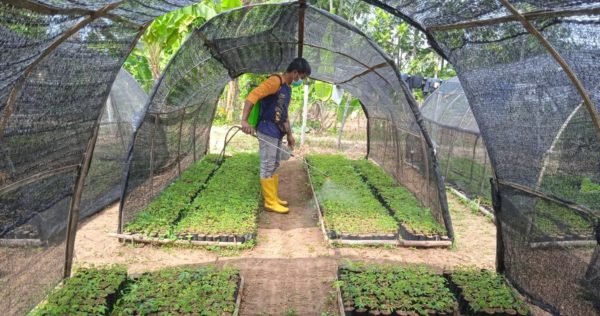
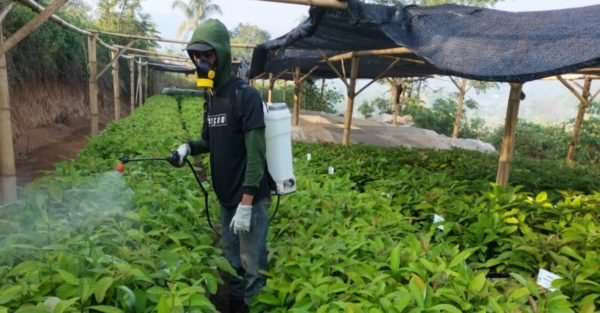
Reaching the optimal growth of every seedling, our team applied organic fertilizer. Pati nursery team (above) sprayed liquid organic fertilizers to Albizia trees. Kebumen nursery team (below) spray plant growth substances to stimulate the growth of Calliandra seedlings.  

Management of pests and diseases affecting the seedlings

Management of pests and diseases affecting the seedlings

For the management of pests and diseases affecting the seedlings, the Ciminyak nursery team utilizes organic pesticides. Mindi and tobacco leaves, both organic materials, are employed effectively in the production of these organic pesticides to combat pests. 

Management of pests and diseases affecting the seedlings

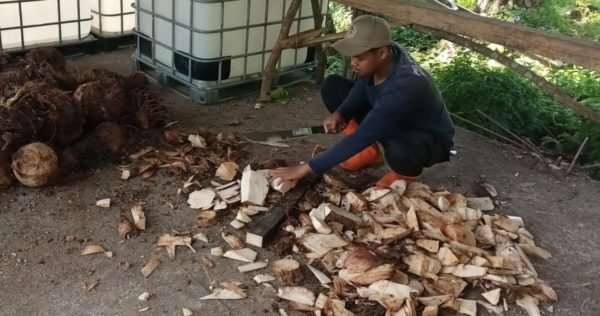
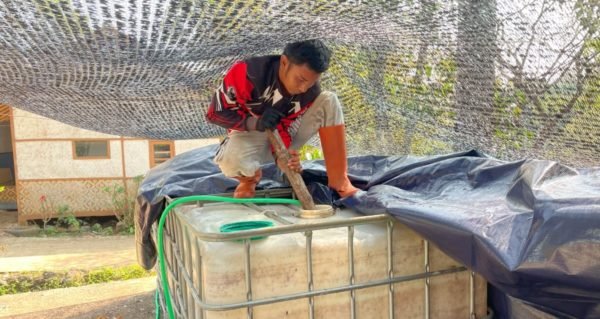
At the Soreang nursery, our team chopped up banana tree stems (above) and mixed them with spirulina, and organic fertilizers to create organic material (below). This organic material serves the dual purpose of controlling pests and fertilizing the soil.

Pembuatan MP 1_Persemaian Soreang_Trees4Trees

Nurturing Seedlings for High-Quality Results

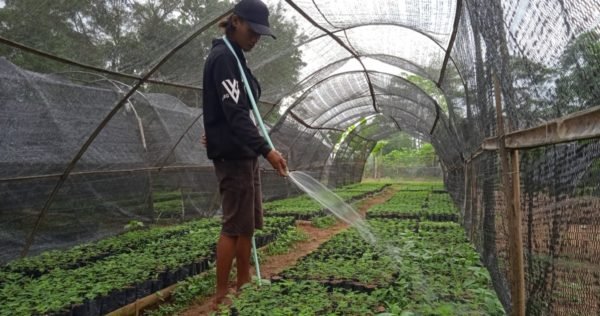
Regularly watering seedlings is essential for the seedlings’ growth. Our team in Kebumen nursery waters the seedlings every afternoon. The optimal times for watering plants are in the early morning and late afternoon. 

Management of pests and diseases affecting the seedlings

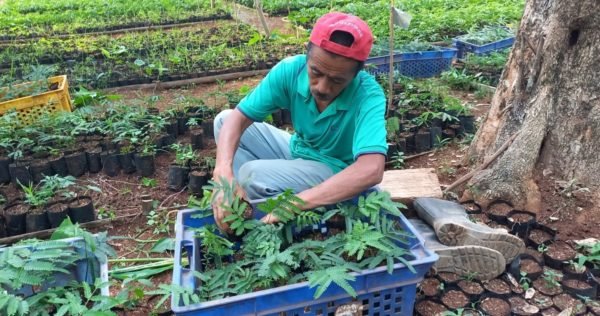
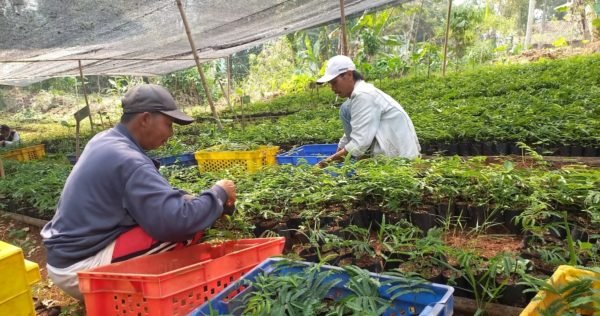
Cirasea nursery team is moving the stinky bean seedlingsEvery tree seedling in the polybags needs to be moved to prevent the roots from not penetrating the ground. Additionally, moving the seedlings is necessary to distinguish between the surviving and non-surviving ones. 

Management of pests and diseases affecting the seedlings


Pruning Akar dan Daur Pada Tanaman Petai_Persemaian Ciminyak_240823_Trees4Trees

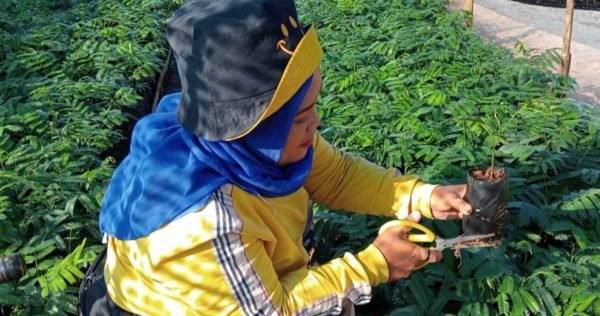
Our Ciminyak nursery team is pruning the roots of stinky bean. The pruning is necessary to apply to growing seedlings aims to encourage root branching. 

Management of pests and diseases affecting the seedlings

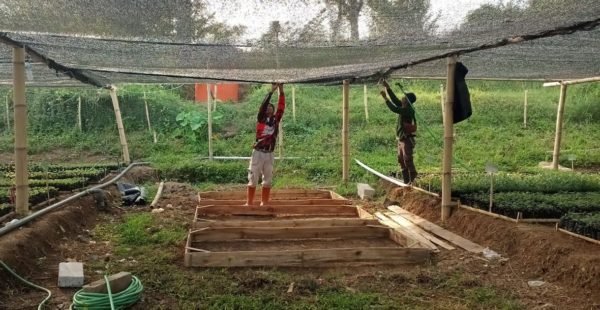
The Soreang nursery team is installing the paranet (above), while the Ciminyak nursery team (below) has already finished installing the shading net. These are used to protect seedlings from excessive sunlight, rainfall, and wind.

Nurturing Seedlings for High-Quality Results