Activity Highlights: Farmer Training Initiative to Empower Local Communities

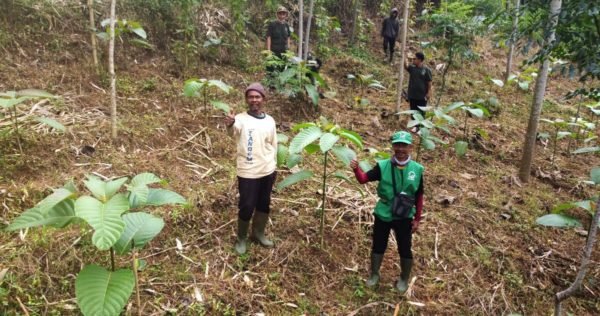
In Trees4Trees‘ tree-planting operation, our focus includes empowering and encouraging local communities – our partners as tree growers – to implement environmentally friendly farming methods. By doing so, we anticipate that the farming activities will not harm the surrounding environment, while also potentially benefiting local communities through the products of the trees, such as fruits, leaves, or bark. 

To achieve this goal, we conduct a series of farmer training sessions at each working site as part of our tree-planting initiatives. This year, various topics about organic farming methods have already been covered. These topics include how to make organic pesticide and herbicide, formulating liquid and granular organic fertilizers, and microbe’s decomposer.  

Additionally, there are also topics related to the cultivation techniques, such as applying organic cultivation pattern, increasing timbers and multipurpose tree species productivity, grafting and plant propagation through cutting techniques, and best practices to cultivate fruit trees in organic ways.  

Let’s delve into the recent establishment of Trees4Trees‘ farming training program!  
Farmer Training Initiative to Empower Local Communities

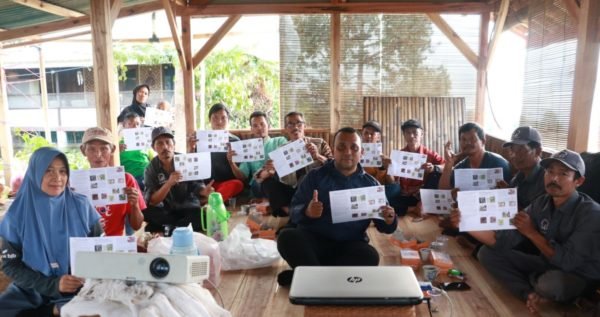
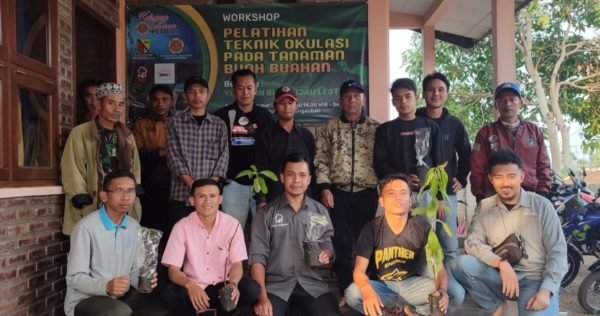
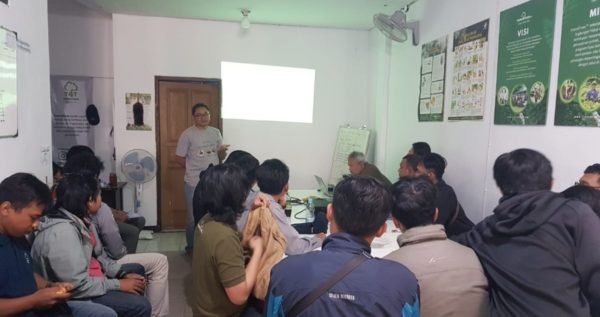
Our field team is at the forefront of engaging local communities to tree-planting programs Trees4Trees held a Training of Trainers to enhance the understanding of organic farming methods among our field team before delivering the knowledge to the tree growers participating in the program. Our field team will continue to disseminate this knowledge to tree growers in each planting area through mentoring and handson practice. 

Farmer Training Initiative to Empower Local Communities

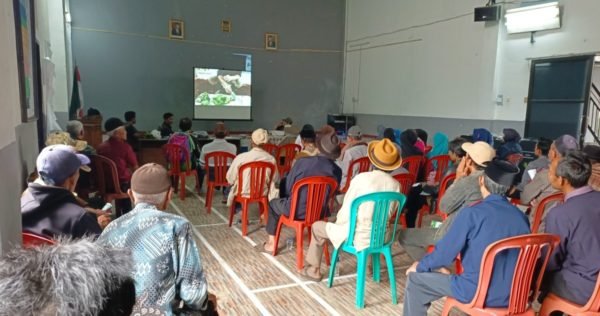
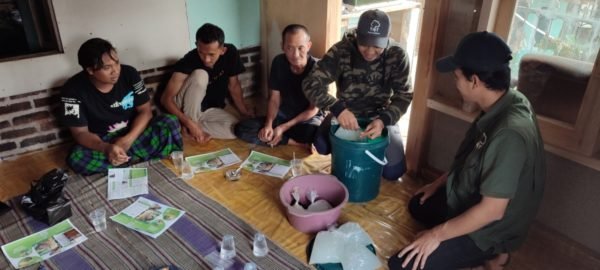
Trees4Trees provides its tree grower partners with brochures (above) and videos (below) as information and tutorial sources they can access for free. These information tools contain tutorials and steps in how to implement each organic farming method 

Farmer Training Initiative to Empower Local Communities

how to make organic liquid fertilizers

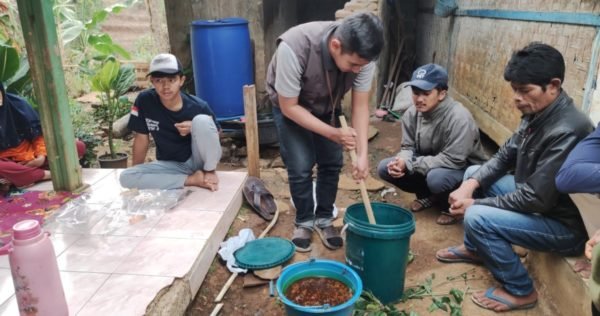
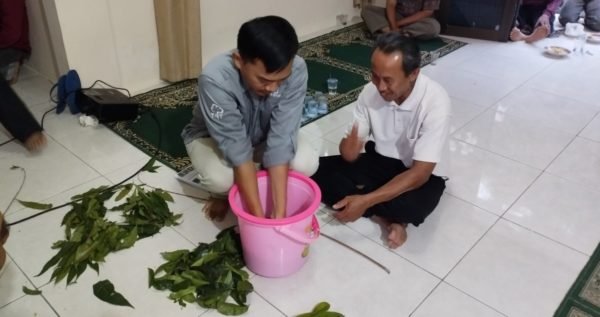
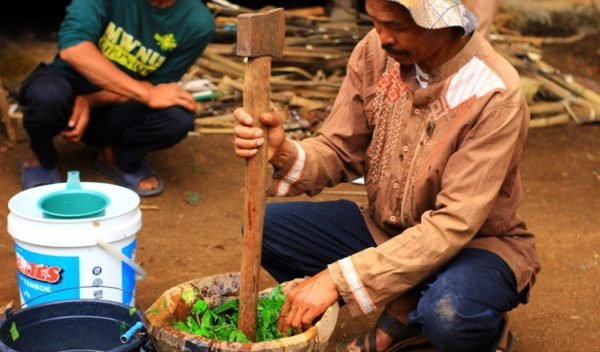
Organic biopesticide is useful to prevent and control pests and disease attack to the trees planted without leaving harmful residuals. Our field team showcases tutorials of organic biopesticide making in a hands-on practice to the local communities. The organic biopesticide is formulated from some tree leaves like suren, sirsak, and sirih leaves. They are mixed with turmeric, galangal, tobacco, molasses, and decomposer microbes.
Farmer Training Initiative to Empower Local Communities

how to make organic liquid fertilizers

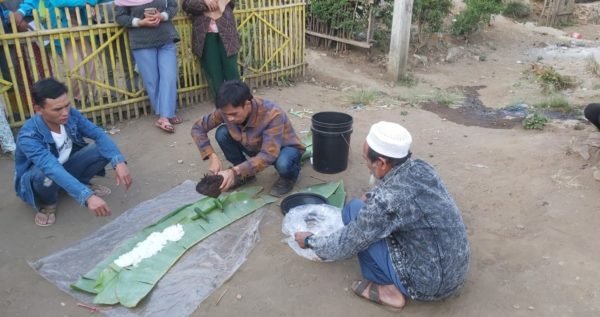
In the process of making organic biopesticides, three kinds of leaves; sirsak, suren, and sirih leaves need to be pounded before they are mixed with other ingredients. Local farmers are pounding them with a traditional pestle and mortar made from wood.  
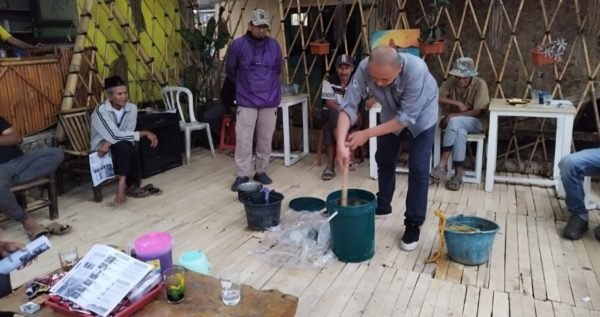
how to make organic liquid fertilizers

Fulfilling the high demand for knowledge about organic fertilizers in local communities, our field team conducts farming training on how to make organic liquid fertilizers. (Above) We utilize household waste like expired eggs and milk, rice washing water that are mixed with some other ingredients including sheep’s manure, volcanic ash, and spirulina. To apply this type of fertilizer, simply by spraying around the trunk of trees planted. (Below) The organic fertilizer training attracted many local people to directly witness the tutorials demonstration. 
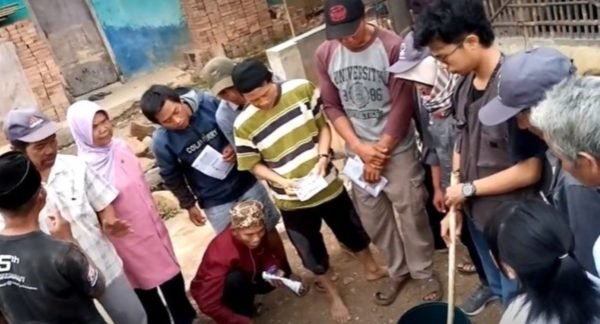
Trees4trees team

Farmer Training Initiative to Empower Local Communities

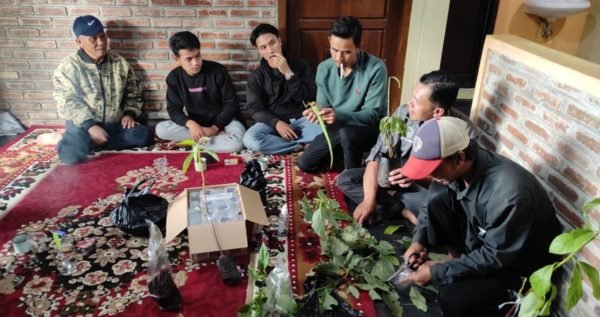
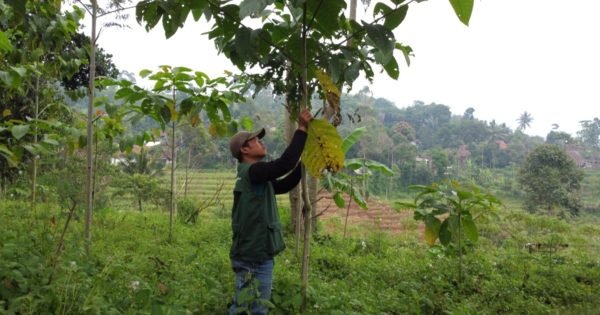
One of the farming training topics we cover is grafting techniques, a cultivation method that involves attaching one plant bud to another. This method aims to combine favorable characteristics from both plants to achieve a better variety of trees 

Trees4Trees' farmers

Farmer Training Initiative to Empower Local Communities

Decomposer microbes and soil fertilizers play a crucial role in the organic farming system due to their numerous functions in plants growth. They help compost plants and livestock waste to become nutrient for plants, reduce chemical waste in the soil, enhance soil fertility, and help to prevent pathogenic bacteria. Additionally, they significantly improve the chemical and biological function of soils. Considering these factors, we conduct training on decomposer microbe production using rotten rice, banana weevil, bamboo roots, molasse, and yeast that are fermented 

Farmer Training Initiative to Empower Local Communities

In one of our farmer training sessions, we presented a tutorial on making herbicide from organic ingredients, including coconut water, sugar, and yeast, followed by a fermentation process. Organic herbicide is useful for controlling and preventing weed growth that can disrupt the growth of trees.  

Weathering the Storm: Natural Solutions to El Niño

drought during el nino_trees4trees
Weathering the Storm
Photo: Freepik

This year we had the hottest July, August, and September ever recorded. Weather patterns around the world are in a state of flux, pushing temperatures up and stretching our planet’s life support systems to the limit. In tropical regions, like Indonesia, the impacts of climate change are clear to see. 

To make matters worse, extreme weather has been forecasted for Indonesia in the first quarter of 2024, due to the ongoing El Niño weather system. A combination of floods, cyclones, landslides, and disruption to food production could all be just around the corner.  

But what exactly is El Niño? What are its effects? And how can reforestation help to lessen its impact on people and planet? In this article, we’ll look for the answers. 

What is El Niño? 

El Niño, which means ‘little boy’ in Spanish, is a natural climate pattern. This name describes the seasonal warming of surface waters in the eastern tropical Pacific Ocean. El Niño is the warm phase of a larger weather cycle – the cool phase is called La Niña, which means ‘little girl’.  

El Niño / La Niña events don’t happen every year. They normally come around every two to seven years and typically last between nine and 12 months. Sometimes, they can even last for years at a time.  

So if El Niño and La Niña, are natural climate events, then what’s the problem? Unfortunately, recent studies have found that climate change is supercharging these weather systems, making them more frequent and more fierce. And the effects of this change can be deadly. 

Natural Solutions to  El Niño
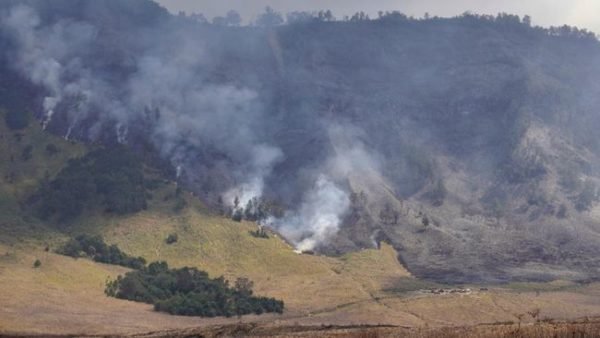
(Above) Wildfires at Mount Bromo in East Java, where an extended dry season left the savannah as dry as kindling. Photo: CNN Indonesia

What are the Impacts of El Niño? 

We may not realize it, but El Niño and La Niña play a major part in all our lives. These tempestuous twins affect everything from weather and wildlife to, food production, wildfires, and economics. Their impacts can take many different forms – and the differences between them can be extreme:  

  1. Temperatures. This September was the hottest on record, with temperatures 0.5 degrees (Celsius) higher than last year. 
  2. Drought. Delayed rainfall leads to parched landscapes and dry rivers.  
  3. Food shortages. Severe drought means poor harvests, food shortages, and rising prices. 
  4. Wildfires. This year alone, there have been over 3,000 fires in Indonesia. 
  5. Ecosystem damage. From forests to coral reefs, animals and their habitats are feeling the heat. 
drying out river in boyolali_el nino_trees4trees_v arnila wulandani
(Above) A dried-up riverbed in Boyolali, Central Java (Photo: Trees4Trees / V. Arnila Wulandani)

How can we Minimize the Impacts of El Niño? 

El Niño may be a natural event that’s beyond our control, but there are steps we can take to lessen its impact:  

  1. Prevent fires. Around 99% of wildfires are caused by human activities like campfires, cigarette butts, or burning waste. Stopping these activities can help stop wildfires. 
  2. Eat local. Support your local greengrocer, or – even better – grow your own fruit and vegetables. 
  3. Raise awareness. Educate others and encourage them to be more eco-friendly.  
  4. Cut the carbon. Minimize your carbon footprint by taking public transport, walking, cycling, or saving energy at home. 
  5. Plant trees. Trees clean the atmosphere and can help prevent disasters, like erosion, floods, drought, and water shortages. More on this below: 

The Benefits of Planting Trees 

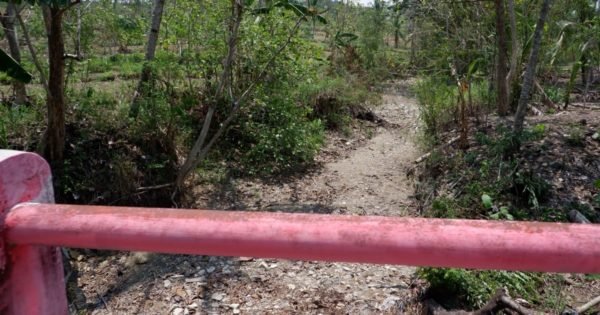
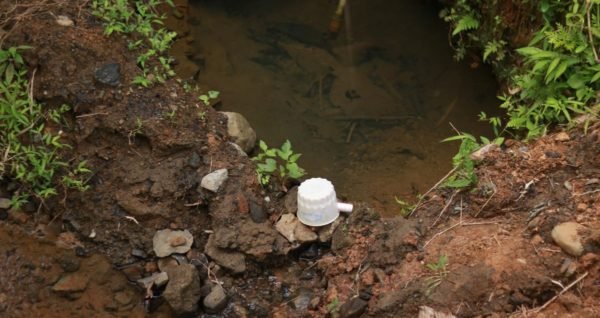
In Indonesia, Trees4Trees’ planting areas have experienced an extended dry season because of El Niño. One of many is Kenteng Village in Kebumen, Central Java. During the dry season, villagers here have to walk about two kilometers to reach the nearest water source.

Working in partnership with local people and international partners, Trees4Trees is helping to raise awareness and kick-start positive changes in Kenteng. Since 2022, weve planted more than 6,000 trees in the village, and there’s more to come too.  

water spring in kenteng village kebumen_el nino_trees4trees_yulianisa dessenita
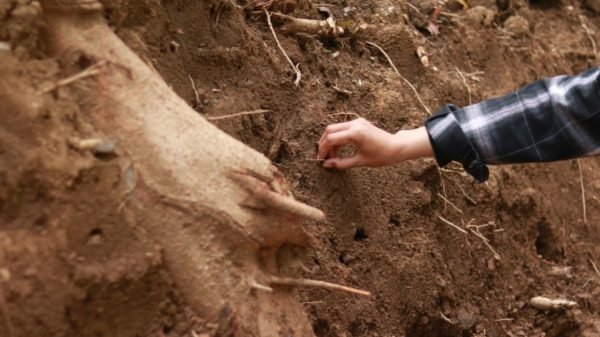
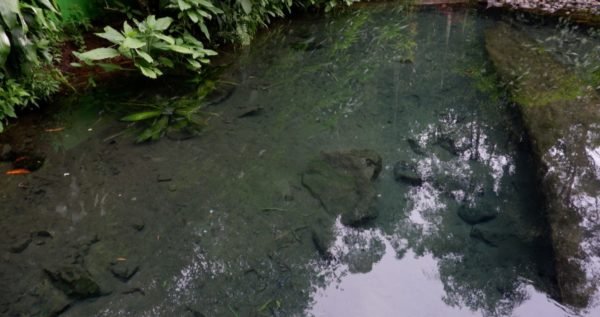
(Above) The only spring in Kenteng Village, and (below) soil dried out by the extended dry season (Photos: Trees4Trees / Yulianisa Dessenita)
Weathering the Storm
Natural Solutions to El Niño

These trees have already had an impact, by helping retain moisture in the soil and providing shade for people and plants during the dry season, and then preventing erosion and flash floods when the rains finally arrived in November. Their fruits, like durian and avocado, provide a reliable source of income for local people, even during the worst of the seasonal weather. 

This year, through Giving Tuesday, we’re encouraging people to donate trees to support the ongoing planting operations in Kenteng, to protect the land from the worst of El Niño and promote agroforestry. And you can join us in this mission. By donating trees, we can combat climate change and create a more livable environment for the community. To learn more, click here or get in touch. 

Writer: V. Arnila Wulandani. Editor: Christopher Alexander

Nursery Highlights: Growing Multi-purpose Trees Species

Multipurpose tree species refer to the type of trees that are grown to provide numerous benefits both for the environment and the economy. These may include environmental enhancement, such as providing shade, conserving water, and improving soil quality.  

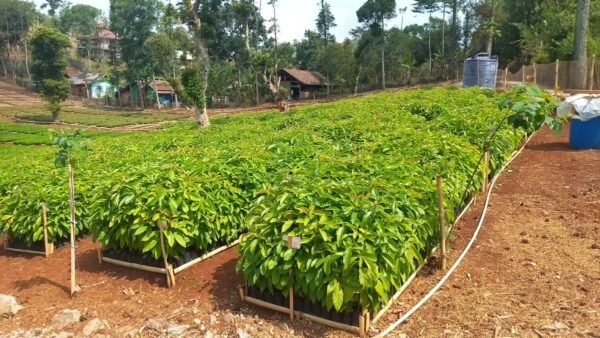
In addition to the environmental benefits, multipurpose trees also yield non-timber commodities, including fruits, leaves, nuts, sap, or bark. These commodities have a significant economic value and are competitive in the market, supporting local community livelihoods. Recognizing these advantages, Trees4Trees cultivates multipurpose tree seedlings like coffee, avocado, durian, petai, clove, and cotton in its nurseries.  

Let’s observe the dedicated efforts of our nursery team as they cultivate and nurture our multipurpose tree seedlings in our four established nurseries! 

Growing Multi-purpose Trees Species

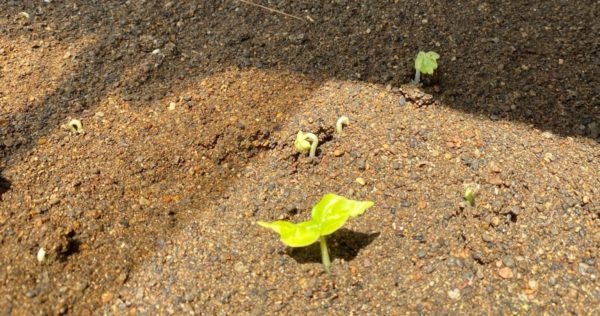
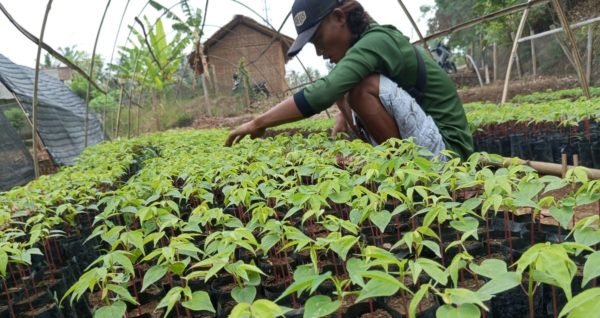
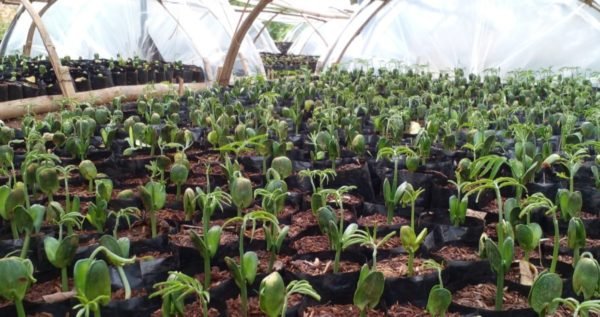
At the Kebumen nursery, a new tree-seedling has been introduced. This year, the nursery has started on the cultivation of the cotton tree, also known in Indonesia as the randu tree or kapuk tree. The decision to grow cotton trees is a response to the strong interest of the local community in Kebumen, driven by the economic value of the tree. Cotton trees produce fibers which are contained in their fruits, and these fibers are essential raw materials for textile yarn. (Above) New shoots of randu tree-seedling have begun to grow. (Below) A nursery worker is removing weeds from the randu tree seedlings to ensure the maximum growth.  

Nursery Highlights: Growing Multi-purpose Trees Species

Nursery Highlights: Growing Multi-purpose Trees Species

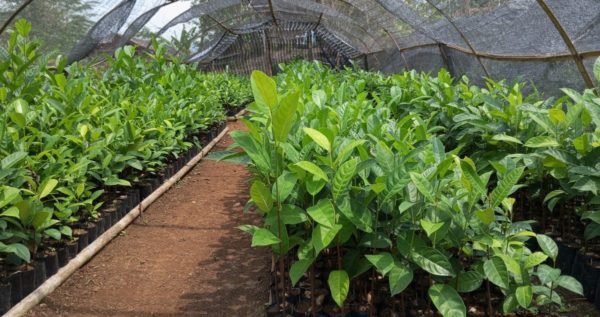
Jackfruit, or nangka is one of the favorite fruits in Indonesia, including the Java islands. Considering that the trees are widely cultivated by local people for their delicious fruits, the Kebumen nursery grows jackfruit tree-seedlings. These trees produce sweet, yellow fruits that can be consumed directly or used as an additional ingredient for traditional snacks and drinks, thanks to their distinctive aroma. The young fruits also can be used to prepare traditional Javanese dish called gudeg. 

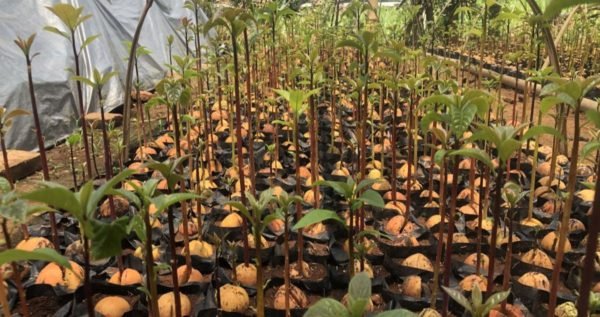
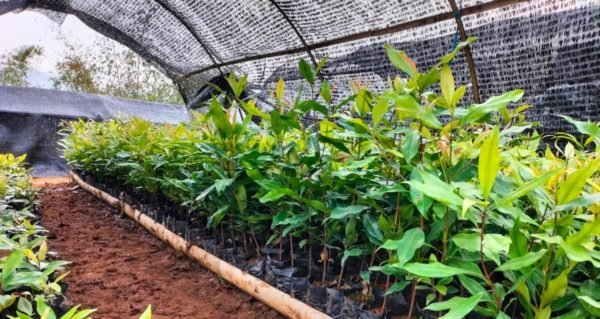
Avocado is one of the multipurpose trees that has a high economic value. Many people incorporate avocado fruit to their healthy diets, contributing to the fruits’ popularity and high demand. All our nurseries cultivate avocado tree-seedlings due to the strong interest of local people in planting avocados. (Above) Avocado tree-seedlings are thriving in the Pati Nursery. (Below) Avocado tree-seedlings are reaching new heights marking significant tree growth in the Cirasea Nursery. 

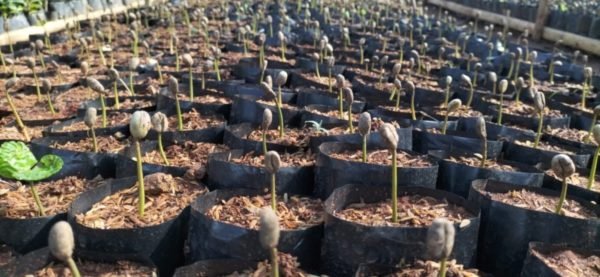
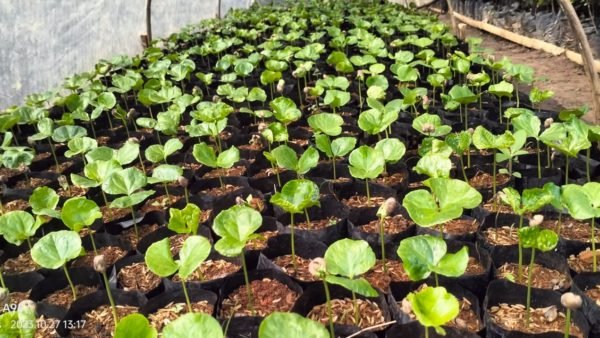
Coffee is one of promising commodities across Indonesia, and during our planting seasons, this species always takes the spotlight. Many tree growers have a strong interest in cultivating coffee trees due to their economic value. (Above) New shoots of coffee tree seedlings have embarked to grow in our Ciminyak nursery. (Below) The twomonthold coffee tree-seedlings are growing greener, displaying their distinctive rounded-shape leaves. 

The clove tree, known as cengkeh is an evergreen tree native to the North Maluku Islands of Indonesia. Its aromatic flower buds are highly valuable due to their competitive prices in the market. This species is one of the trees we cultivate to provide income opportunities for our tree growers. (Above) Clove tree seedlings are growing taller in our Ciminyak nursery.

Nursery Highlights: Growing Multi-purpose Trees Species

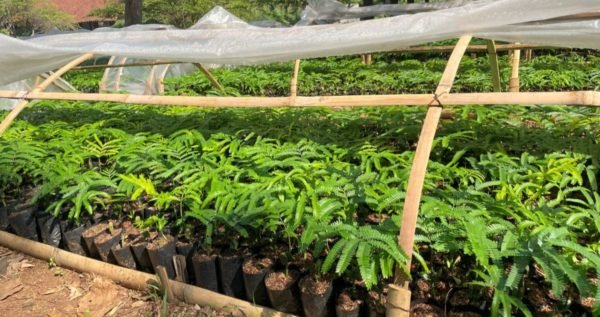
Petai is popular in Indonesia due to most of Indonesian enjoy eating the beans fresh. The petai tree, also known as stinky bean tree, is native to Southeast Asia and produces long green beans about the size of almond. These beans have a high demand in the market. We cultivate petai in our nurseries to provide opportunities for our tree growers partner to gain economic benefits by planting the tree. (Above) Petai seedlings in Soreang nursery in 2 weeks old. (Below) Petai seedings in 2 months old.  

Itang: A Young Farmer on a Mission to Pass Down Springs through Planting Trees

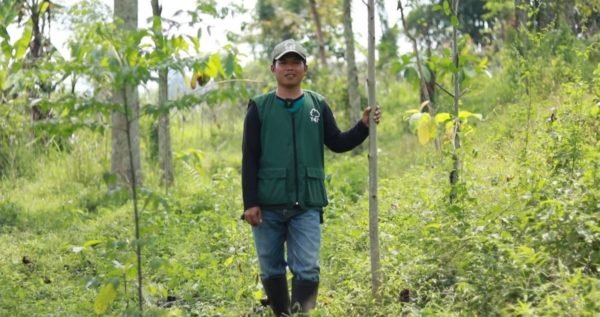
At 37 years old, Itang Zaenal stands out as a young farmer collaborating with Trees4Trees as a tree grower in Mandalahaji Village, Bandung Regency. In contrast to his peers who often seek employment outside the village, Itang has made a choice to remain within his community. He skillfully tends to his plot of land and has effectively generated income from its produce for several years. 

Become a farmer since his young age

Itang owns a parcel of land situated approximately 1 kilometer from the Cirasea sub-watershed, a tributary of the Citarum river. On this land, he cultivates both timber and various crops, aiming to secure both short-term and long-term income sources. The yields he generates from his land enable him to provide for his family, including his two children. 

However, Itang’s journey as a farmer commenced at a remarkably young age. At just seventeen years old, he decided to follow his passion and become a farmer.

“In those times, very few young individuals showed interest in farming. This was due to the mistaken belief that farming couldn’t lead to substantial earnings. I stood among the minority of young villagers who opted to remain in our community and pursue farming. Most of them preferred urban employment,” he revealed. 

Itang also acknowledged that prior to his decision to settle in Mandalahaji village, he had briefly worked in the city of Bandung. “City life didn’t resonate with me, I suppose. The rigid work hours left me with minimal opportunity to engage in activities I enjoyed,” Itang expressed. 

Benefiting from Trees4Trees’ Citarum rehabilitation tree planting program 

In 2022, Itang was presented with the opportunity in the tree-planting program initiated by Trees4Trees, sponsored by AstraZeneca and One Tree Planted. “The idea thrilled me, as I received tree seedlings completely free of charge and I get to keep all the results for myself. It was a significant help for me,” Itang expressed 

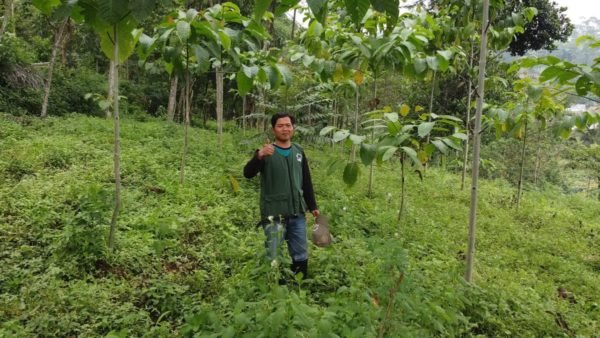
Focusing on planting bur-flower (Jabon) trees and coffee, Itang intends to gain long-term benefits. “Jabon is very well-suited to the soil conditions in my field, so it grows exceptionally well in this area. Jabon also regenerates new shoots automatically after being cut down, ensuring constant flourishing. Coffee, on the other hand, is a promising commodity. With more coffee trees, I can earn a better income,” Itang explained.

Applying organic farming  

Since his beginning, Itang has employed organic farming techniques in nurturing his trees. He has personally crafted fertilizer from the manure of his livestock. “Thank goodness, when I employ organic fertilizers made from the blend of manure and soil, the growth of the trees accelerates significantly,” he exclaimed while gesturing towards the flourishing trees around him.
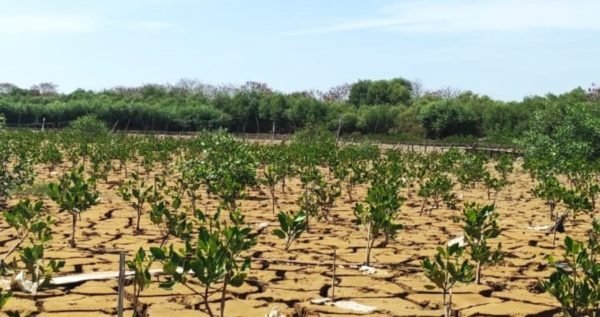
Itang also expressed his gratitude for the organic fertilizers and pesticides provided by Trees4Trees. He noted that with these organic materials, he managed to foster Jabon trees that grew to around 2 meters in height in just eight months. “The outcome fills me with great excitement,” he confessed. He further added that these organic resources complemented the organic approach he had been practicing for years. 

Planting trees, passes down the Citarum springs to the next generation  

Itang’s land is situated approximately 15 kilometers from the source of the Citarum River. This location marks the origins of seven springs, which converge to form the Citarum River and its tributaries. 

“From these springs, the water flows into the Cirasea River – one of the Citarum’s tributaries that runs near my land. This river holds vital importance for the villagers, serving as a primary irrigation source and sustaining the trees I’ve planted. Thus, preserving both the river and its banks is essential,” Itang emphasized. 

He underscores that planting trees along the riverbanks plays a crucial role in curbing erosion and the siltation stemming from river sedimentation. 

“With the exceptional spring waters of the Citarum River, my endeavor in tree planting aims to pass on the legacy of healthy water sources to my children and the generations to come. I strive to pass down ‘mata air’ (water springs), not ‘air mata’ (tears). If we neglect our duty to care for it, all that remains to pass down would be tears – nothing of our natural heritage would be left,” Itang passionately conveyed. 

Activity Highlights: Commitment in Combating Climate Change Through Carbon Value Training

The training also offered insights into the opportunities and advantages of harnessing the economic value of carbon – benefiting both the organization and local communities, projects implementation mechanisms, and government regulations related to carbon value initiatives. Beyond its environmental impact of reducing greenhouse gas emissions, Trees4Trees’ upcoming carbon projects also provide an economic boost to local communities by growing trees.
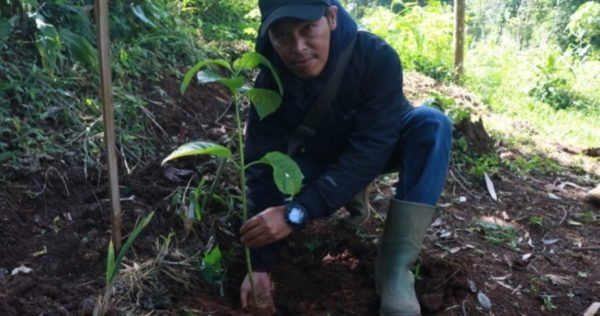
A carbon footprint represents the total amount of greenhouse gases emissions produced by an individual, organization, event, or product. These emissions are a primary driver of global warming, exacerbating climate change. To address this pressing issue, carbon offsetting provides a way for companies, organizations, and individuals to offset their emissions by funding initiatives that either reduce emissions or store carbon in other locations, such as reforestation projects. 

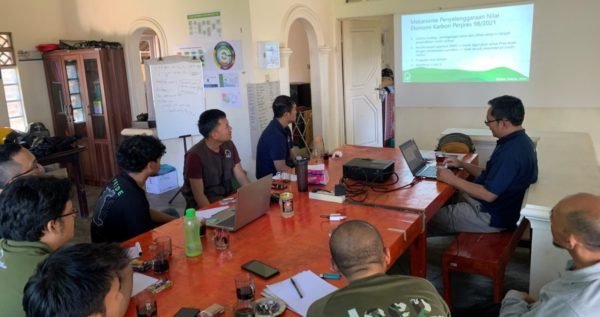
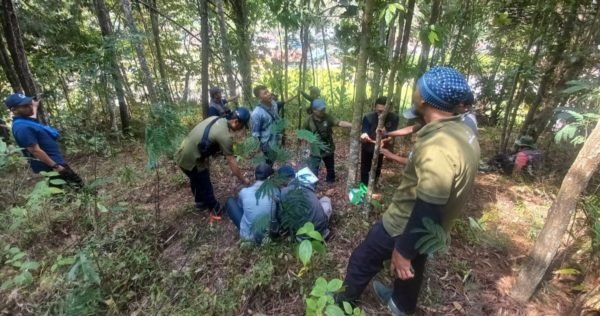
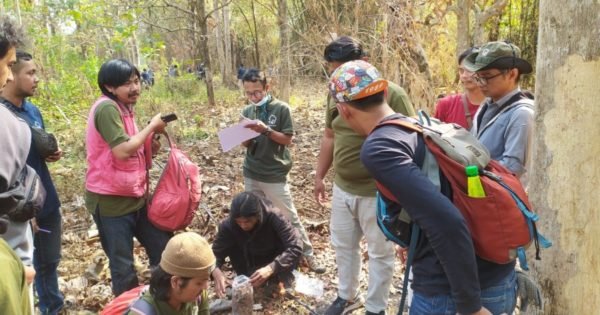
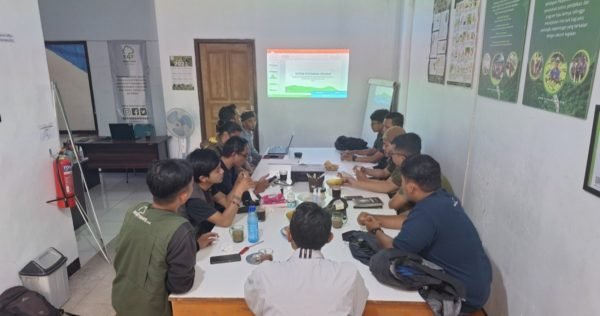
Trees4Trees has been actively implementing carbon measures through its tree-planting program. In alignment with this initiative, we recently conducted a Training of Trainers (ToT) program, with a focus on enhancing the understanding of carbon sinks and their economic value among field teams in Bandung area. This program engaged participants from various sites, totaling 90 participants. 

This training initiative, held from September 27th to October 3rd, is a fundamental component of our groundwork for the forthcoming Trees4Trees carbon economics value project. The project is dedicated to supporting Indonesian government’s efforts to reduce greenhouse gases emissions in the forest and other land uses (FOLU) sector, serving as carbon sink to mitigate the impacts of climate change.  

Take a closer look at the activities related to the training of trainers about carbon economics value in these images below! 

Commitment in Combating Climate Change Through Carbon Value Training

The training features extensive knowledge-sharing sessions covering topics related to carbon sinks and the economic value of carbon in Indonesia, particularly in the connection in reducing greenhouse gas emissions and fostering a green economy as part of efforts to combat climate change.  


Commitment in Combating Climate Change Through Carbon Value Training

The training also offered insights into the opportunities and advantages of harnessing the economic value of carbonbenefiting both the organization and local communities, projects implementation mechanisms, and government regulations related to carbon value initiatives. Beyond its environmental impact of reducing greenhouse gas emissions, Trees4Treesupcoming carbon projects also provide an economic boost to local communities by growing trees. 
Commitment in Combating Climate Change Through Carbon Value Training

The training entailed conducting comprehensive forest surveys to identify and analyze vegetation types. The information gained from the forest identification served as the foundation for the process and methodology used to estimate carbon absorption. The calculation of carbon stored in the forest relies on five carbon pools, including biomass above the soil (such as stems, branches, and leaves), below the soil (roots), forest litter (fallen leaves or branches), dead trees and woods, and soil organic materials. 

Commitment in Combating Climate Change Through Carbon Value Training

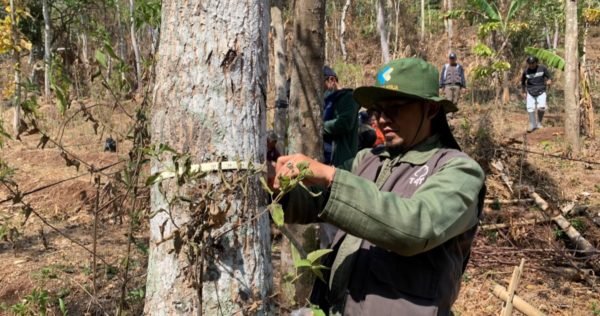
Measuring the diameter of a tree’s stems is used to estimate the amount of carbon that a single tree can absorb. It is estimated that a tree’s stem contains a significant carbon biomass. 

Commitment in Combating Climate Change Through Carbon Value Training

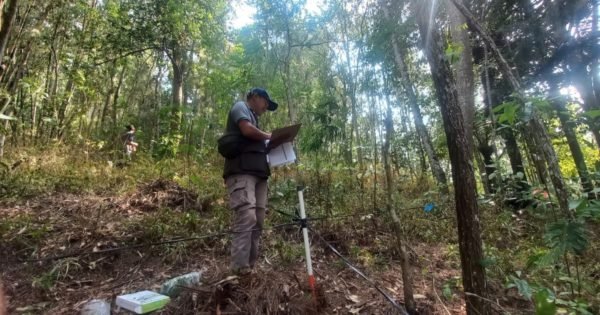
Our team set up a measuring plot sample. This sample plot served as a representative model for other plots. Through this sample plot, we can efficiently estimate the total carbon content of an area. The plot is designed to define the area for measurement and estimate the potential carbon absorption capacity. 

The training also offered insights into the opportunities and advantages of harnessing the economic value of carbon – benefiting both the organization and local communities, projects implementation mechanisms, and government regulations related to carbon value initiatives. Beyond its environmental impact of reducing greenhouse gas emissions, Trees4Trees’ upcoming carbon projects also provide an economic boost to local communities by growing trees.

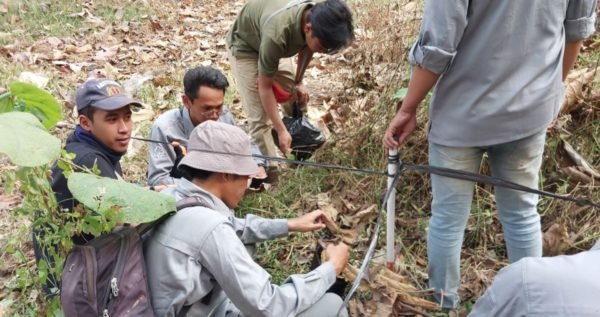
Data obtained during the process of measurement in the forest survey and identification must be documented. The data will be utilized to develop the methodology for calculating carbon absorption capacity in a sampling plot. (Above) Our team documented the tree species within the sampling plot. (Below) Our team weighed and documented the forest litter found in the surrounding sampling plot. 

Commitment in Combating Climate Change Through Carbon Value Training

The Heat is On: Finding Solutions to Rising Global Temperatures

The Heat is On Finding Solutions to Rising Global Temperatures_trees4trees
The Heat is On Finding Solutions to Rising Global Temperatures
Photo: Freepik

All around the world, temperatures are soaring, and extreme weather events are becoming more common. This October in Indonesia, where our tree planting efforts are based, cities like Semarang and Jakarta have been sweltering in the highest temperatures seen in the last 30 years. 

This hot weather is partly due to El Niño, a seasonal warming that happens naturally in parts of the Pacific and impacts weather systems around the world. But the driving force of the extreme heat is climate change caused by human activity. 

So what are the impacts of these changes on the planet and its life support systems? Is anything being done to reverse the damage? And how can each of us play our part in cooling the climate?  

In this article, we’ll provide answers to these burning questions. 

The Heat is On Finding Solutions to Rising Global Temperatures_trees4trees
The Heat is On. Photo: Trees4Trees/V. Arnila Wulandani

Breaking all the wrong records in global temperatures 

A recent study in the Nature Reviews Earth and Environment Journal revealed that, from January to September 2023, we experienced the warmest global temperatures in recorded history, surpassing the previous record set in 2016.  

As if that wasn’t bad enough, last month was the hottest September on record;, an unprecedented anomaly in history, when ocean temperatures went through the roof. September was a scorcher, but October and November are already hot on its heels. 

As global warming intensifies, natural climate events, like El Niño are becoming more frequent and more intense. Scientists agree that the biggest driver is human-induced climate change, mostly from emissions of greenhouse gases.  

We set this change in motion, so it’s up to us to stop the global temperature rising. But what can be done? 

The Heat is On Finding Solutions to Rising Global Temperatures
Steps in the right direction: there’s plenty we can do to counter climate change. Photo: Telegraph

Be part of the solution, not part of the problem 

When facing a problem as big as Earth temperature, it’s easy to feel overwhelmed. Maybe even powerless. But there’s plenty each of us can do to turn down the heat. Even the smallest changes, when multiplied enough times, can add up to a massive difference. 

Every time you get in the car, every time you shop online, or even turn on a light switch, your choices have a cost in terms of energy and fuel. This is also known as your carbon footprint – the amount of carbon emitted into the atmosphere as a result of your actions and decisions. 

Here are five steps you can take to reduce your carbon footprint and help combat climate change: 

  1. Buy local and shift to a plant-based diet. 
  2. Use public transport, cycle, and walk 
  3. Cut down your electricity consumption at home 
  4. Embrace a slow fashion approach 
  5. Join nature restoration activities in your area 

From the food we eat to the clothes we wear and the ways we get around, there’s so many ways to reduce energy consumption and lower our environmental impact. Don’t give in to apathy! Take charge of your own environment and be the change you seek. 

Read also: A Breath of Fresh Air: Tackling Jakarta Pollution

The Heat is On Finding Solutions to Rising Global Temperatures
The Heat is On, Finding Solutions to Rising Global Temperatures. Photo: Trees4Trees/Kemas Duga Muis

Climate action: Planting seeds of positive change 

Want to impact the environment on a bigger scale? The best thing we can do is plant trees. And lots of them. Trees can suck harmful greenhouse gases out of the atmosphere, while also storing carbon and producing healthy oxygen.  

But that’s not all – trees have been proven to help prevent floods, erosion, and drought. They provide habitats for animals, shade for new growth, and beauty in the background of our lives on this green planet. 

The Heat is On Finding Solutions to Rising Global Temperatures
Photo: Trees4Trees/Kemas Duga Muis

Read more: Trees That Absorb the Most Carbon Dioxide

In the tropics, where the sun shines all year round, trees feel right at home. And this green belt around the belly of our planet could be the key to combating climate change. Scientists certainly seem to think so. Recent research has found the following benefits to planting trees in the tropics compared to other areas: 

  1. Tropical trees grow faster and absorb more carbon emissions . 
  2. They also sequester up to four times more carbon  
  3. Rainforests are biodiversity hotspots, sheltering endangered species 
  4. Tropical plants and trees can provide us with food and medicine 
  5.  The tropics are home to the world’s largest mangrove forests, which absorb a huge amount of carbon 

For so many reasons, planting trees in the tropics is a good idea. Located right on the equator, Indonesia is home to the worlds third-largest rainforest. And Trees4Trees is helping to spread the life-giving benefits of trees elsewhere in the archipelago. 

We’re taking climate action, planting trees to mitigate the catastrophic effects of climate change and helping lower global temperatures.  

Want to do your part? Join us on our replanting journey, and help Indonesia stay green. Learn more at trees4trees.org. 

Writer: V. Arnila Wulandani. Editor: Christopher Alexander