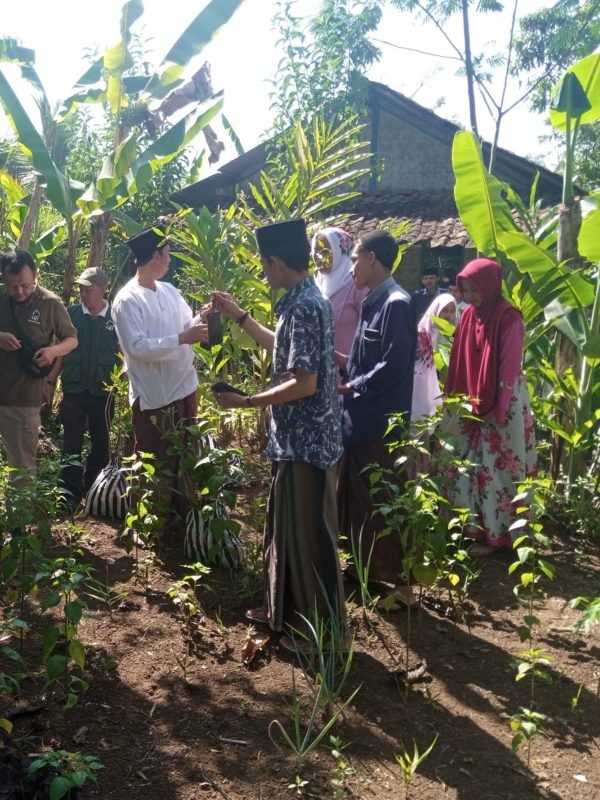
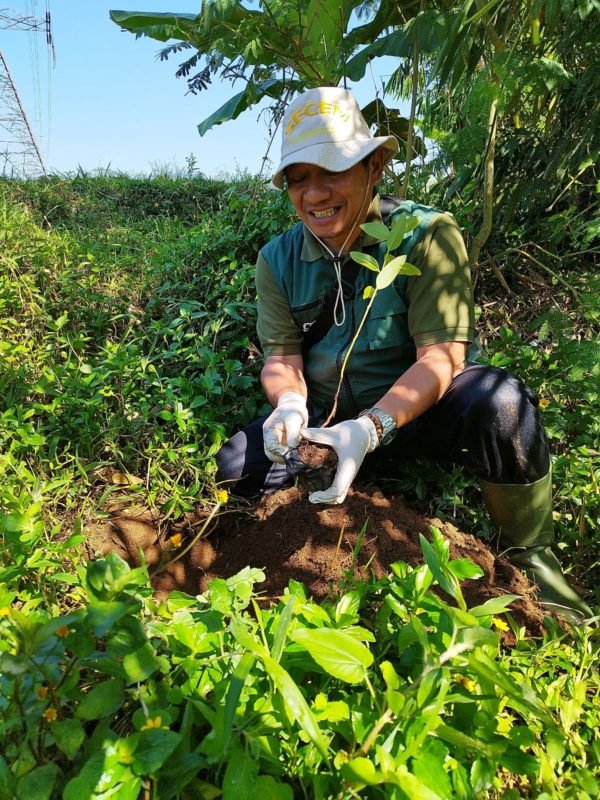
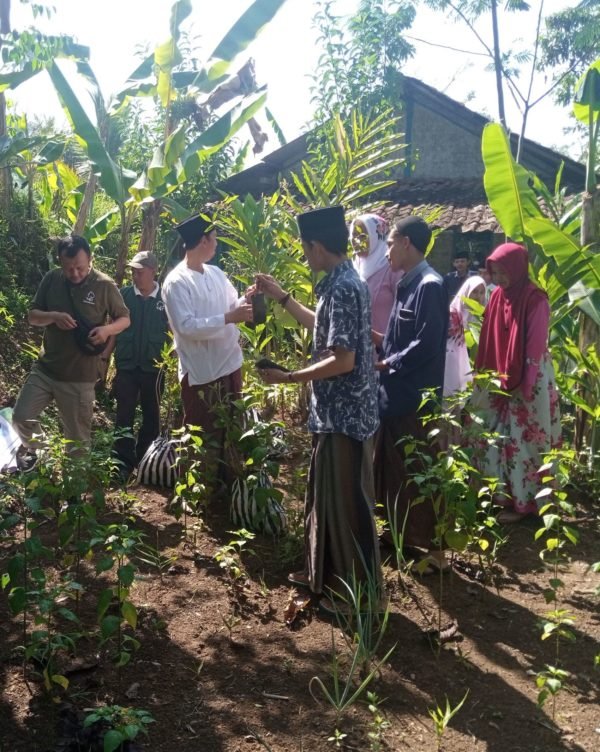
In line with our commitment to empowering the local community, we have hired members of the community as Field Facilitators. Their crucial role involves connecting the tree planting program with local farmers, who become tree grower partners, as well as engaging with other local communities.
Currently, we have successfully completed the induction sessions for Field Facilitators in all working units throughout Central and West Java. During these sessions, our team provided environmental knowledge and equipped the facilitators with the necessary skills to engage with local communities and promote the tree-planting program.
Let us look at our induction activities in various working areas through the images below!
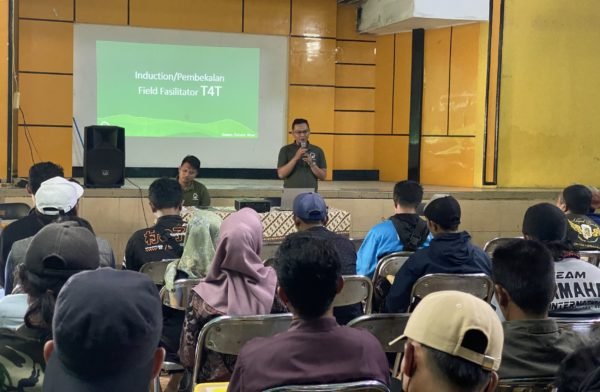
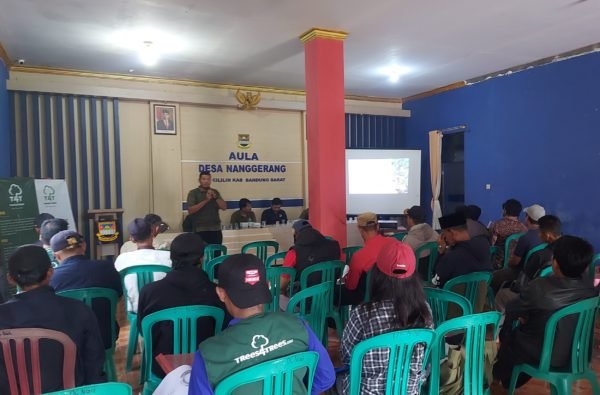
Trees4Trees Cirasea 1 unit, West Java
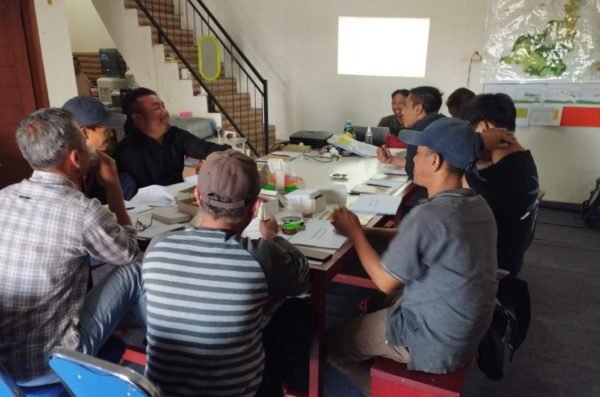
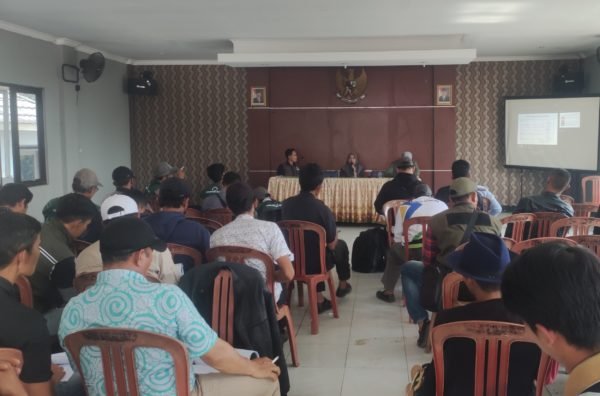
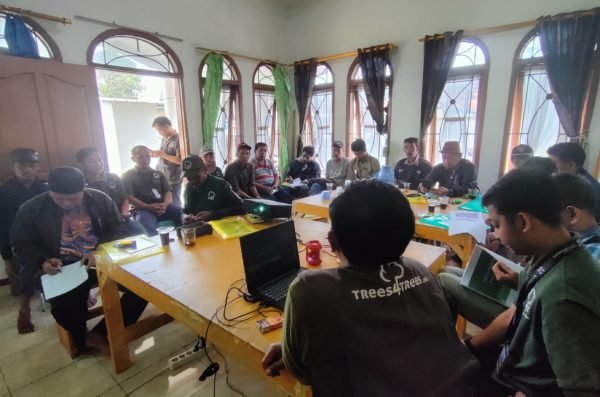
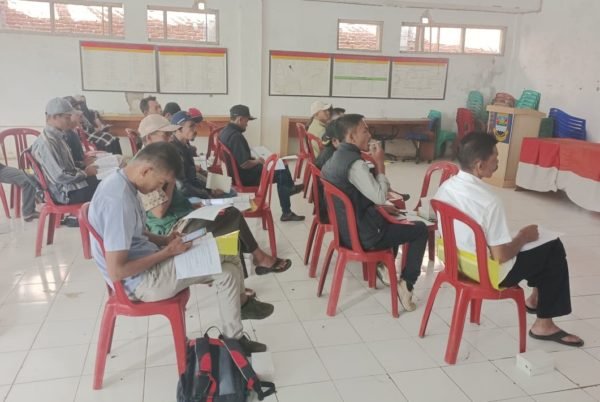
Starting the field facilitators’ induction session in Cihanyir village, Trees4Trees team of Cirasea 1 unit presented the overview of tree-planting program and achievements as well as organization vision and mission to participants from nine villages in Bandung regency, West Java.
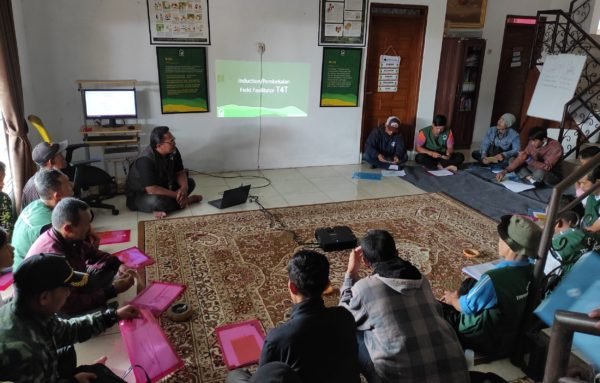
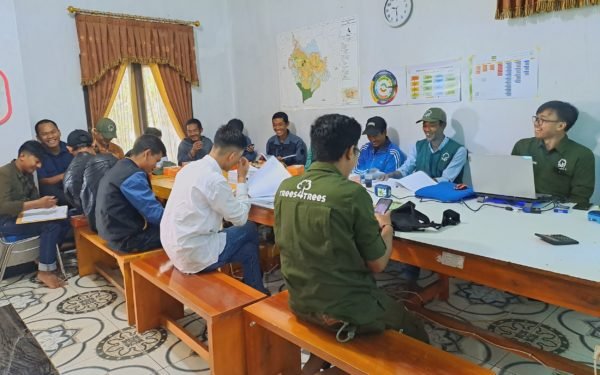
Trees4Trees Cirasea 3 Unit, West Java
During the Cirasea 3 unit’s field facilitators’ induction session in Mandalahaji villages, Bandung regency, Trees4Trees emphasized fairness, equality, and commitment against child labor and coercion in the tree-planting program operation. The session was attended by 60 facilitators from 15 villages.
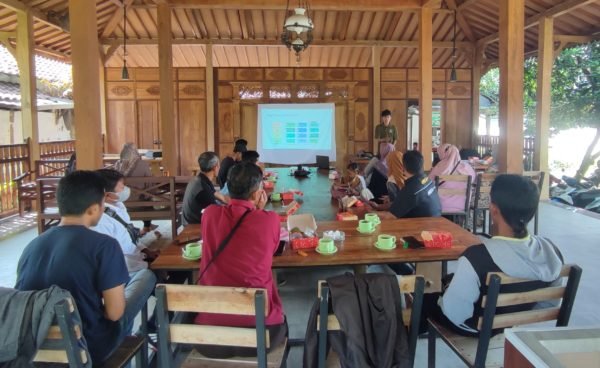
Trees4Trees Pati Unit, Central Java
The Trees4Trees team in the Pati site shared knowledge about tree planting programs during the field facilitators’ induction session held in Kedungsari Village, Pati Regency. The Pati unit successfully completed the field facilitators’ induction sessions in all 14 villages within the area.
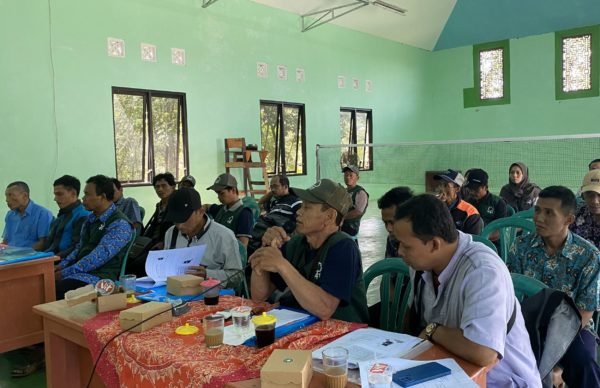
Trees4Trees Kebumen Unit, Central Java
(Above) During the field facilitator session in Sukomulyo village, Kebumen regency, participants discussed field facilitators’ tasks and responsibilities in Q and A session. (Below) Similarly, in Ciwidey, West Java, the induction session covered the same topics. The Kebumen unit completed sessions for 37 villages, while Ciwidey covered 24 villages.
Trees4Trees Ciwidey Unit, West Java
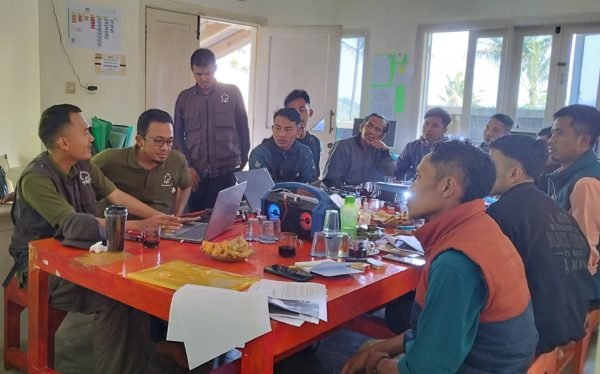
Trees4Trees Cisangkuy Unit, West Java
(Above) The Cisangkuy unit of Trees4Trees wasdiscussing incentives during the field facilitators’ induction in Cipongkor village. (Below) In Ciminyak 2, the team was discussinga similar topic. Essentially, the field facilitators’ incentives are based on productivity and work results. Cisangkuyhas completed the induction sessions covering three districts: Banjaran, Cangkuang, and Cimaung, while Ciminyak 2 coversSindangkerta and Cipongkor district.
Trees4Trees Ciminyak 2 Unit, West Java
Trees4Trees Ciminyak 3 Unit, West Java
Field facilitators play a crucial role in establishing connections with local communities, helping prepare farmer training, distributing tree seedlings to farmers, collecting farmer data, monitoring tree planting preparations, and reporting and documenting activities. During the induction session, field facilitators from the Ciminyak 3 unit (above) and Ciminyak 1 unit (below) were focused on learning their respective responsibilities.
Trees4Trees Ciminyak 1 Unit, West Java
Trees4Trees Cirasea 2 Unit, West Java
Field facilitators are responsible for collecting lands and farmers data. In the induction sessions of both Cirasea 2 unit (above) and Citarikunit (below), they discussed the criteria that local farmers must meet to become partners in the tree planting initiatives.
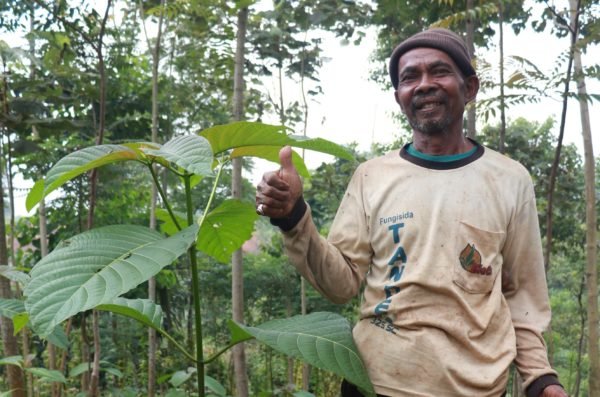
Sar’an: Preserving His Land and Planting Trees for Greater Benefits
Even though he is 72 years old, Sar’an is still active to do farming activities. He started farming five years ago. At that time, there was a tree planting program from the government that provided tree seedlings to be planted on villagers’ land, including in his field.
Sar’an lives in Sukanagara village. It is located in Soreang District, Bandung Regency. Prior to his farming activity today, Sar’an was a goat breeder. He decided to farm due to his expectation to be able to improve his well-being more. At the same time, he also wants to restore the soil fertility around his village.
Preserving the Land He Owns for the Long-term Profit
“So many lands in this village have been converted into plantations, offices, and residents. There are also lands owned by villagers which was initially rented out at the beginning but later sold. The result, villagers find it difficult to earn income. That’s because their land that normally can be cultivated on their own has changed function or changed ownership. I am regretting that many people in this village have sold their land. So, when they want to farm, they have to rent the land because they do not have anymore,” Sar’an said.
Sar’an also revealed, in his village, there are many farmers who used to own their land, now only become sharecroppers because their land has been sold. Some sold their land to companies, some sold it to housing developers. Although many farmers in his village sold their land, Sar’an never wanted to sell his own land. It is because for him, planting in his own land is much more profitable in the long run.
Sar’an: Monitoring Trees with Farmer
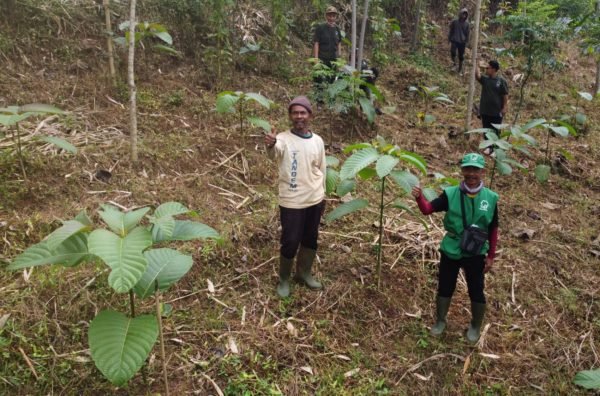
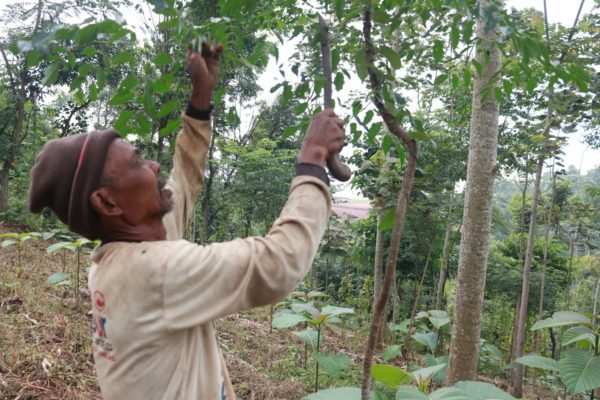
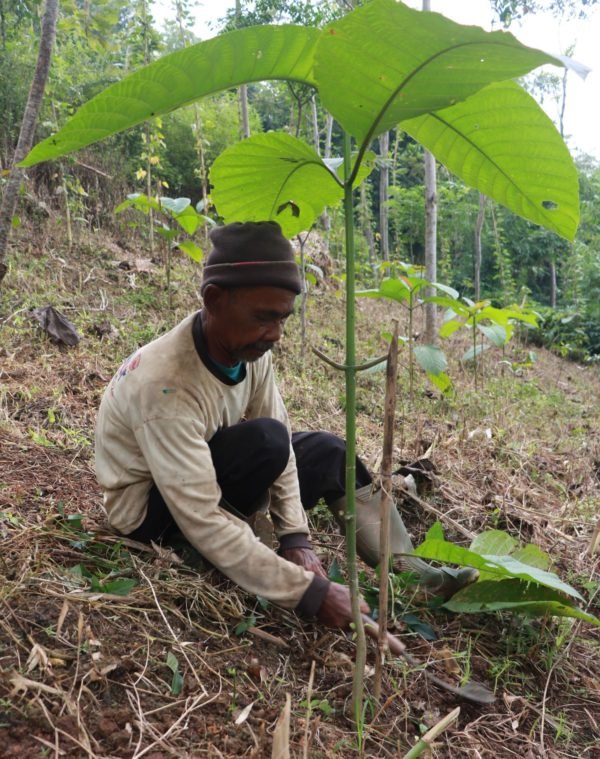
From the previous government program, Sar’an received several trees. They were mindi, mahoni (mahogany), gmelina, and suren trees. Unfortunately, the mindi tree was not suitable with the soil and the condition on his land, so the mindi tree planting was failed. When he joined to a tree planting program funded by Astra Zeneca and collaborates with Tree4Trees and One Tree Planted, Sar’an planted jabon (burflower-tree) and manglid trees. Unlike mindi tree which was failed before, these two type of trees can thrive and growing well on his field.
Besides, Sar’an also planted kinds of vegetables in his field. “There are chili, beans, and peanuts that I have planted by my own. Before joining to this program, I have also planted cloves, suren, and mahogany trees by myself,” Sar’an told.
From trees he planted, he plans to sell the timber after his trees entering the harvest period. However, he will plant new trees to prevent his land being damaged. “After trees are old enough to be harvested, then I will replant new trees to keep the soil stable. Beside, replanting trees will also swift the waterflow. If we do not replant, I am worried landslides will be occurred. Water can also get harder. I do not want that happen,” he said.
Sar’an thanks to the tree planting program that provide him trees. He hopes the tree planting program he joined will bring him good results and can support his livelihood in the long term. He also hopes both vegetables and other trees he planted can provide economic and environmental benefits. In his village, Sar’an also actively persuades other villagers to plant trees and advise them not to be easily tempted by offers to sell their land. He is sure that they will get greater benefits by having his own land that they can cultivate themselves.
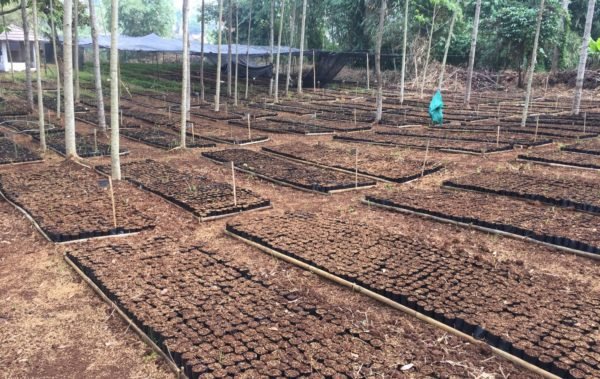
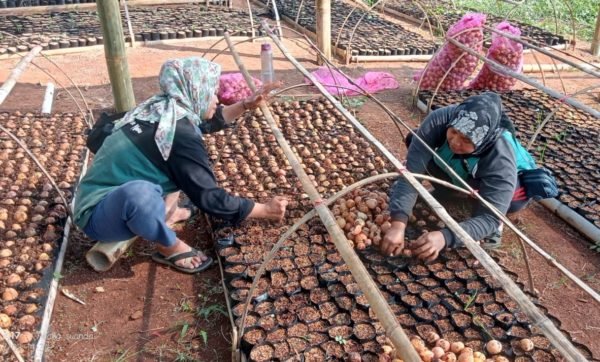
(Activity highlights) In preparation for the upcoming planting season, our nurseries in West Java are dedicatedly preparing high-quality seedlings for the ongoing Citarum watershed restoration project. At present, Trees4Trees operates three nurseries in the West Java region: Ciminyak Nursery, Cirasea Nursery, and Soreang Nursery. Notably, both Cirasea and Soreang Nursery are newly established facilities. We are eager to showcase some captivating photos that showcase the vibrant activities taking place within our nurseries.
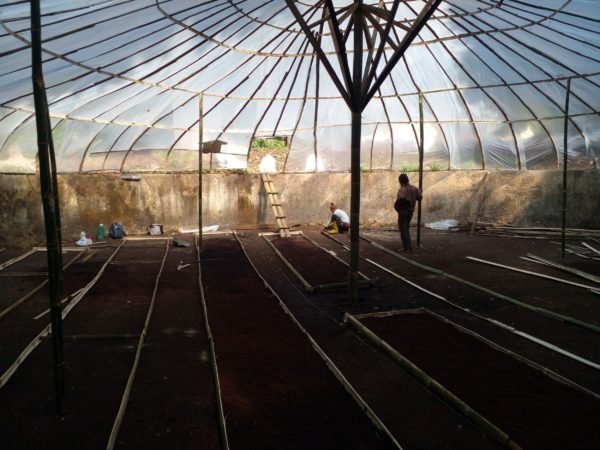
In our newest nursery, Soreang Nursery, we have constructed a spacious greenhouse with a diameter of 12 meters and a height of 4 meters within the nursery area. This greenhouse plays a crucial role in safeguarding the tree seedlings and facilitating their optimal growth. It helps maintain a consistent temperature, shields the seedlings from rainwater runoff, and protects them against potentially damaging winds.
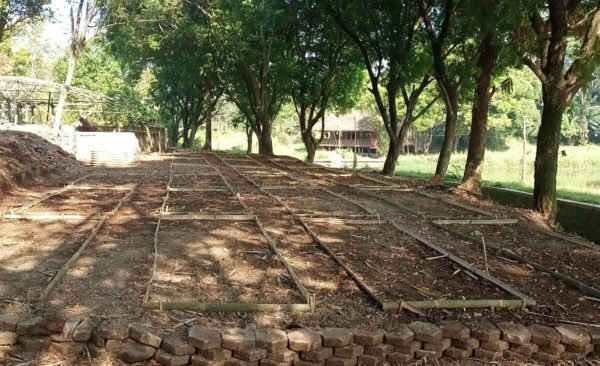
Soreang nursery team sets up seed beds, one of the crucial elements in the nursery to put and categorize tree seedlings.
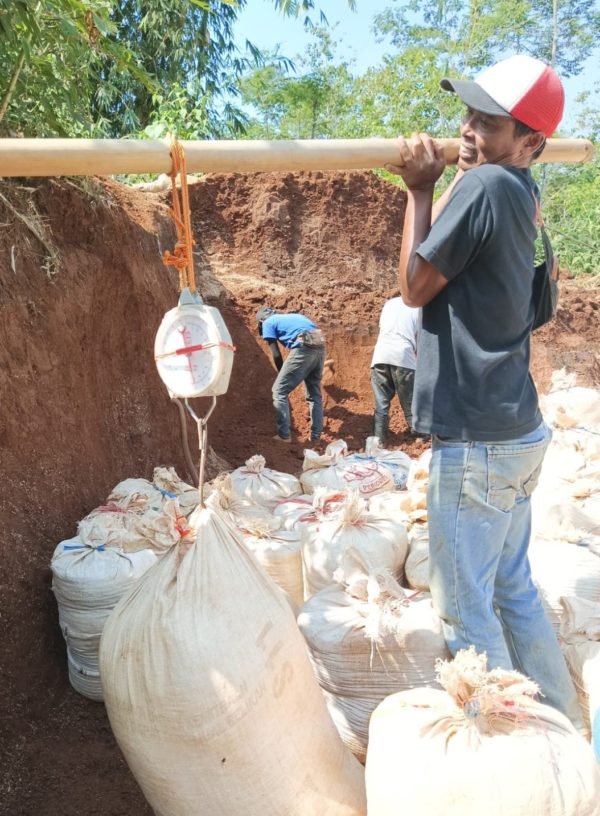
The workers at Ciminyak Nursery are weighing sacks of planting media. Once weighed, the media will be transferred to the seed beds area and filled into polybags.
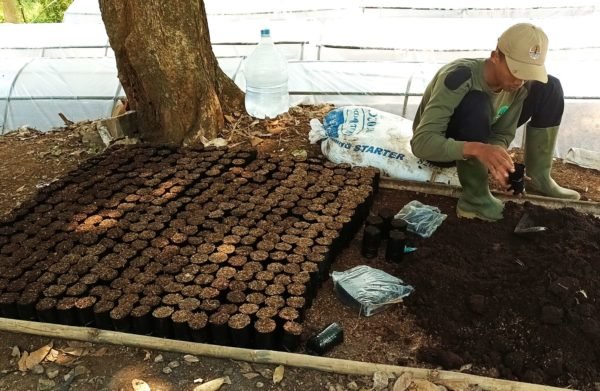
A nursery worker in Soreang is filling polybags with planting media, carefully ensuring that each polybag is filled with an equal volume of the planting material.
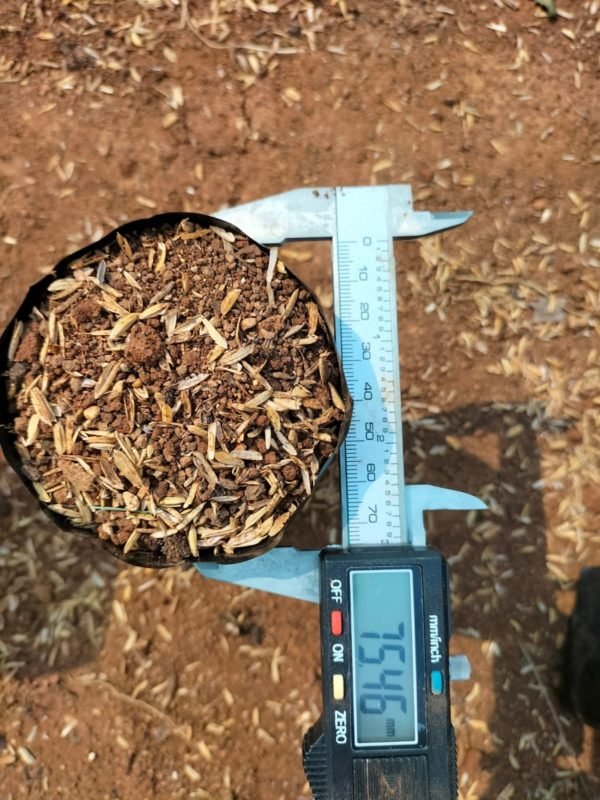
The team at Ciminyak Nursery measures the height and diameter of each polybag filled with planting media, which consists of a mixture of soil, organic fertilizer, and rice husk in a ratio of 6:1:1. This meticulous process ensures that the seedlings are prepared to grow uniformly in terms of height and size.
All polybagsare successfully filled with planting media. Afterwards, they are arranged in the seed beds in Cirasea Nursery. They are ready for the sowing and germination process.
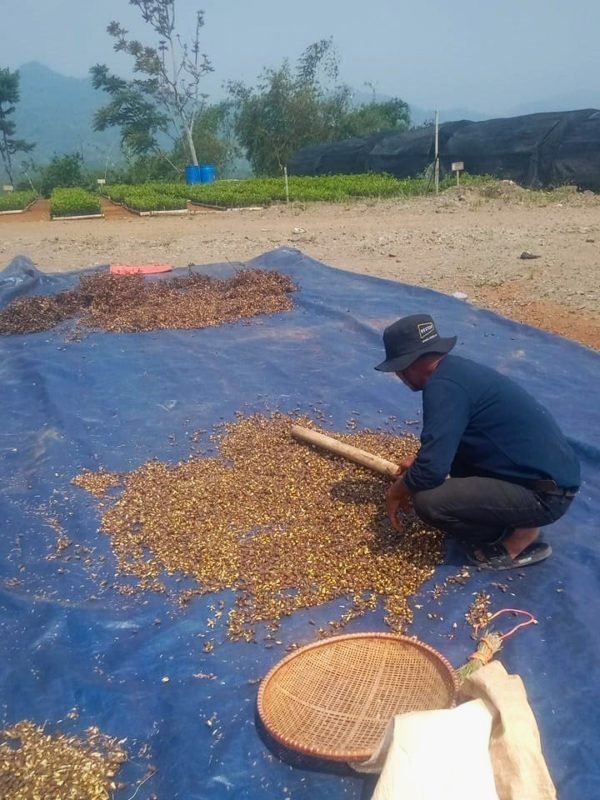
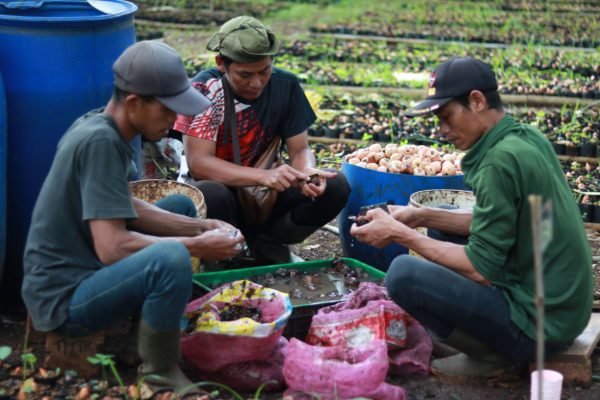
A nursery worker in Ciminyak nursery is cleaning and sun-drying Suren tree seedlings to eliminate excess moisture before proceeding with the sowing process.
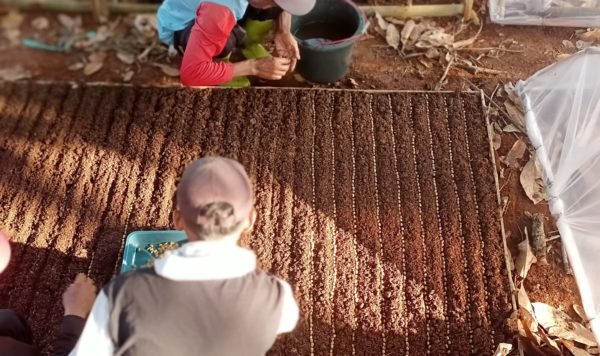
Soreang Nursery workersare sowing seedlings of the Arabica Coffee Yellow Catura variety in the seed beds.
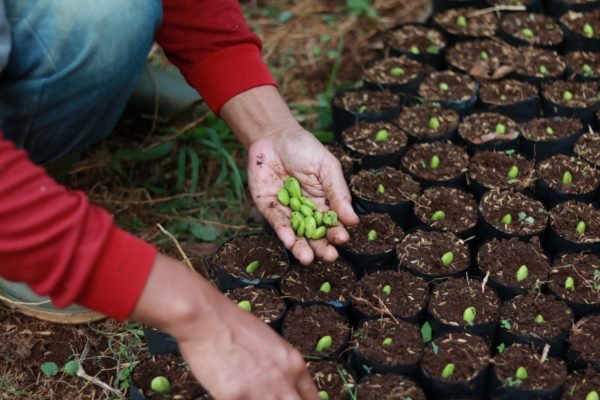
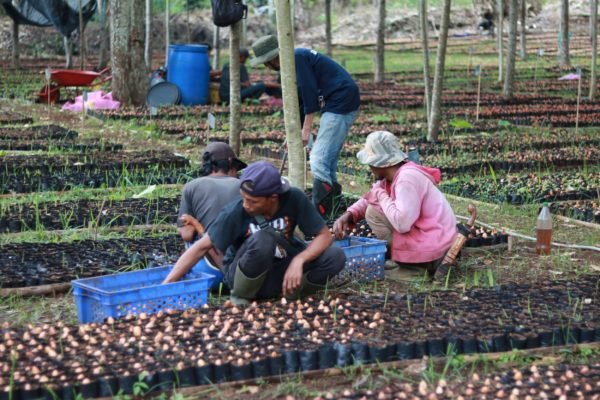
Petai (stinky beans) seedlings are being sown in each polybag at Cirasea Nursery. Petai seed pods are a popular culinary ingredient in Indonesia and can also be enjoyed fresh. As a result, petai trees are high demand among our tree grower partners.
In our nurseries, we actively involve women in our operations. They rediligently sowing avocado seedlings in Ciminyak Nursery.
(Above) A team of nursery workers at Cirasea Nursery is cleaning the avocado seeds before cultivation. (Below) Following this step, the avocado seedlings progress to the next stage, where they are cultivated using the direct sowing method in the polybags.
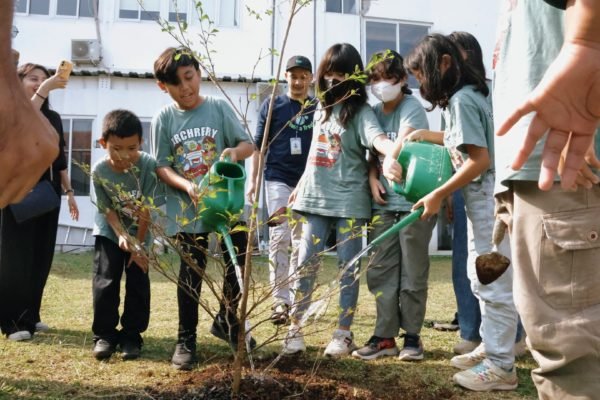
(Above) Fourth graders at Bukit Aksara Elementary School water the Ketapang tree they planted in the school yard.
As the global human population continues to grow, the natural world is under increasing pressure. Efforts are needed now to protect and preserve our planet’s ecosystems for future generations. And this begins with education.
Through a series of school visits in June, Trees4Trees engaged with kids in Java, building their understanding of environmental issues and getting them excited about conservation. The activities were timed to coincide with Trees4Trees’ 15th anniversary, on June 11.
“Comprehensive environmental education plays a vital role in preparing kids to address the challenges posed by climate change in the future,” explains Novita, Trees4Trees Planning Assistant. “Schools serve as excellent starting points for such education,” she added.
Making Learning Fun
During a visit to Bukit Aksara Elementary School in Semarang, the Trees4Trees team used an animated video on global warming and tree planting to capture the children’s attention.
“I loved the video,” said Rino, a fourth-grade student at the school. “I learned a lot about global warming and what I can do to prevent it.”
“I’ve seen other animated movies at school too, where the Earth had no trees left, and people had to buy oxygen to breathe. I don’t want that future, so I am excited with this session,” added Rino.
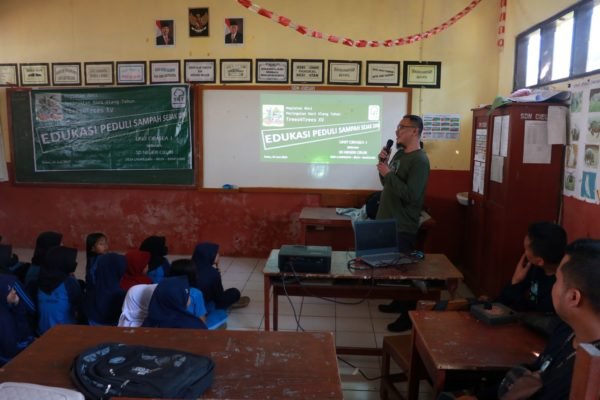
In West Java, Trees4Trees visited Cieuri 1 Elementary School Ibun, Hidayatussa’adah Al Husni School Cipongkor, and Firdaus School Pengalengan in Bandung. In each location, activities focused on waste management, the importance of tree planting, and basic knowledge of conservation.
(Above) Visiting a group of high school students at Firdaus Islamic Boarding School in Pengalengan, West Java.(Above) Members of the Trees4Trees team discuss waste management with fourth grader students at Cieuri 1 Elementary School in West Java.
Learning by Doing: Hands-on Environmental Action
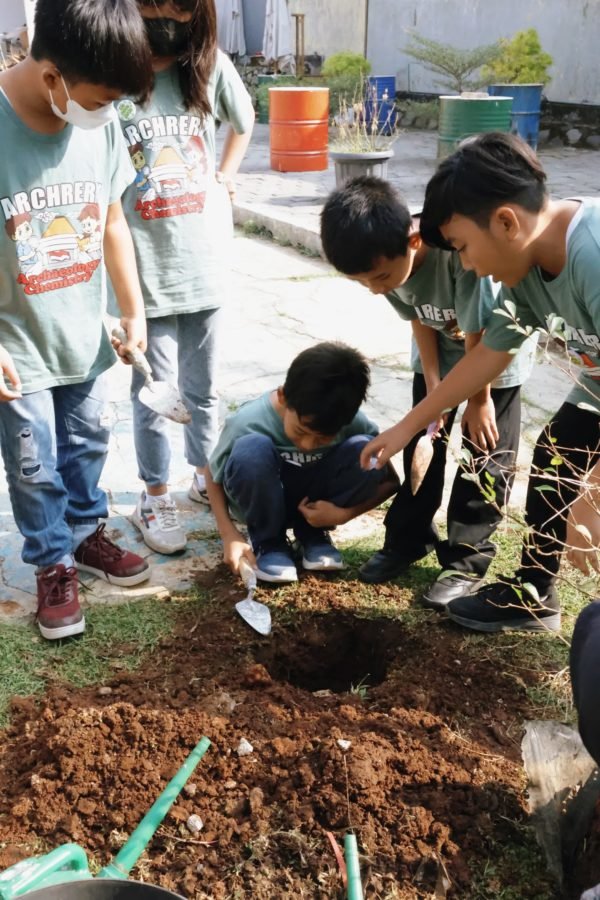
To provide students with hands-on experience, educational sessions included practical activities. At Bukit Aksara, students planted Ketapang trees in their schoolyard, and learned how to care for them properly.
(Above) Students dig holes and prepare organic fertilizers before they plant trees at Bukit Aksara school. Photo: Yulianisa Dessenita/Trees4TreesNurturing the Next Generation: Trees4Trees School Visits
Students atHidayatussa’adah Al HusniSchool also rolled up their sleeves and got planting. “During the session, we taught students to plant trees around the school,”remembers Irfan, the Unit Manager of the Ciminyak 2 site. “Together with them, we also planted 80 trees to green the school’s surroundings.”
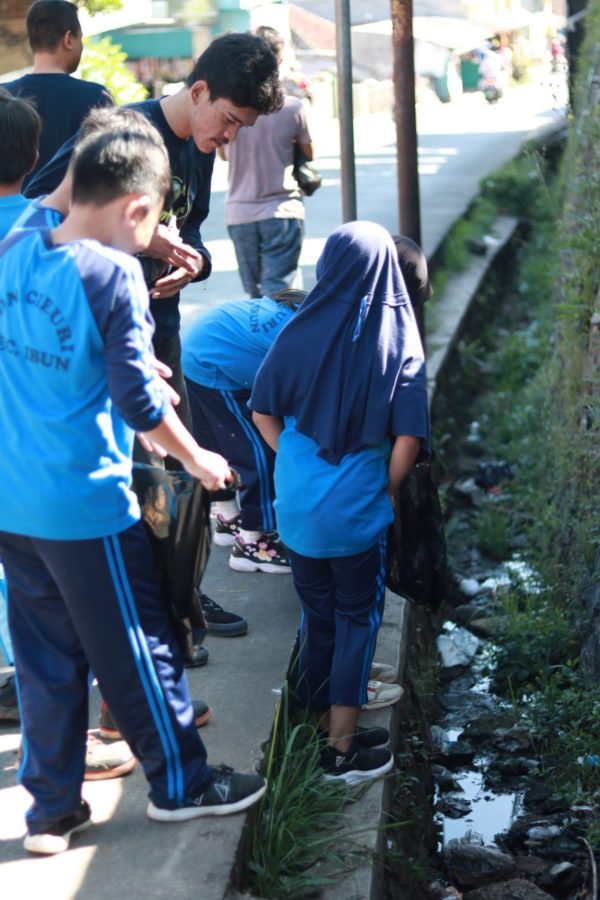
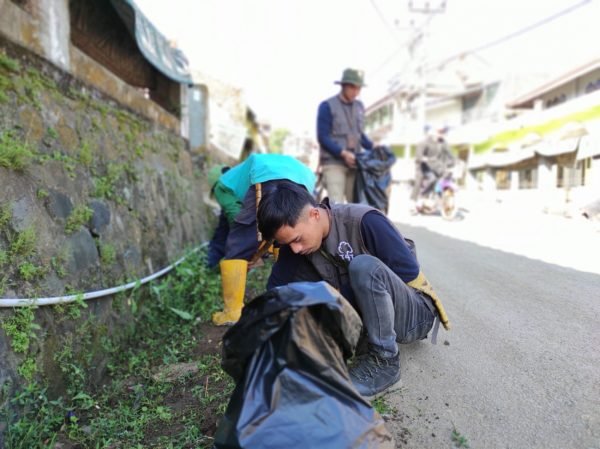
At Cieuri 1 Elementary School, students went on a litter-picking walk to better understand the impact of their actions. The activity helped them develop more responsible habits.
(Above) Senior high school students at Hidayatussa’adah Al Husni Islamic Boarding School
Through all these efforts, Trees4Trees aims to empower children to become stewards of the Earth and help create a sustainable future for all.
Want to get involved? Trees4Trees is available to visit your school to share conservation skills and knowledge. For more information, please get in touch.
The Importance of Environmental Education
Cieuri 1 Elementary School, students went on a litter-picking walk to better understand the impact of their actions. Photo: Kemas Duga Muis/Trees4Trees
According to the State of the World’s Forests (SOFO) 2022, our planet has lost approximately 10% (420 million hectares) of forest cover in the last 30 years.
As highlighted by UNICEF, children are particularly vulnerable to the adverse impacts of environmental problems, which impact their health, education, and overall well-being.
Children are the future stewards of our planet. To ensure the long-term survival of the natural world, we must equip the next generation with the environmental knowledge they need to care for our planet.
Writer: V. Arnila Wulandani. Editor: Christopher Alexander
Taking Out the Trash: Combating Plastic Pollution in Java
Plastic waste on shorelines and riverbanks can be a depressing sight. But the trash we see is just the tip of the iceberg. It’s estimated that 400 million tons of plastic are produced annually. And around 14 million tons of it ends up in the ocean. That’s the equivalent of two garbage trucks of plastic dumped into the sea, every minute of every day. For a year.
This tide of trash doesn’t just come from the coast. Garbage from inland is swept into waterways and rivers by rain and wind (and people), then transported to the sea. But its journey doesn’t end there.
When plastic waste enters the ocean, it also enters the food chain. Plastics are eaten by marine life, causing severe injuries and death.
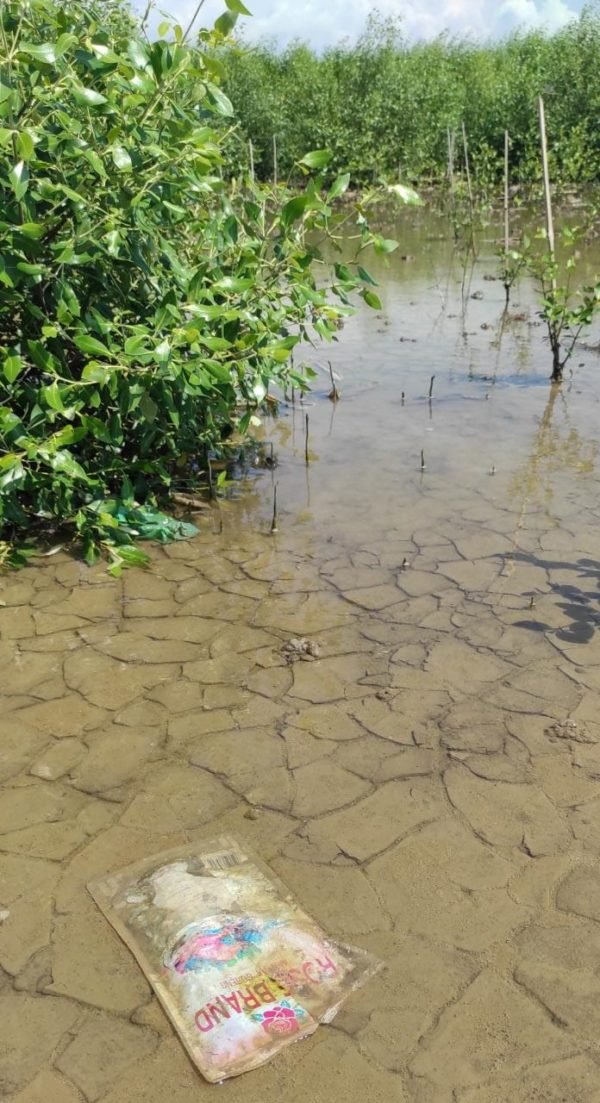
Plastics also poison the environment itself. These materials are especially deadly to mangrove forests, as they entangle and choke the roots, reducing oxygen levels in the soil and causing the slow demise of plants and the animals that rely on them for food and shelter.
Turning the Tide on Trash
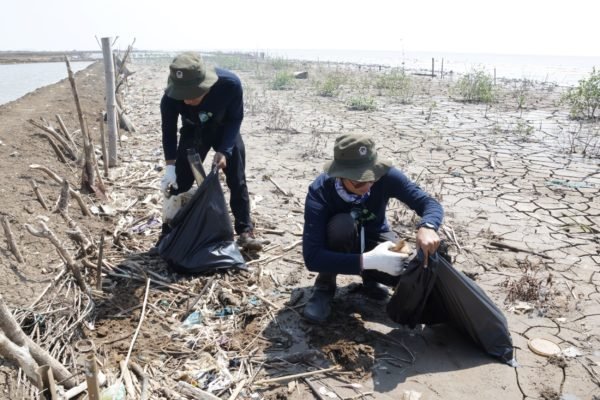
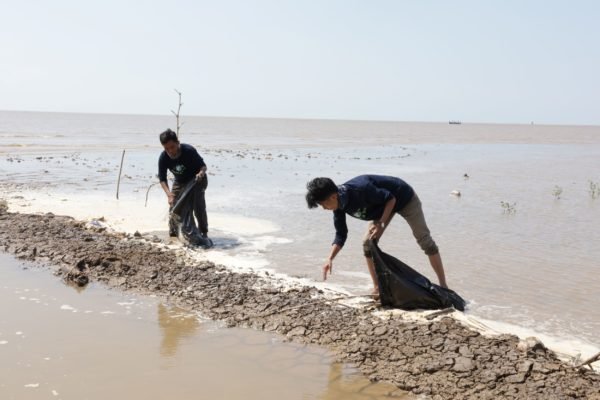
Tackling plastic waste is a big challenge. But solutions are out there, and every little helps. Working with a team of partners and volunteers, Trees4Trees recently got to work on a beach clean-up program spanning 1.2 miles (2 km) of mangroves and coastal ecosystems near Dukuhseti Village in Central Java’s Pati Regency. The activity was part of Trees4Trees’ 15th anniversary celebrations and were timed to coincide with World Ocean Day and World Environment Day.
Mustofa is one of Trees4Trees’ local partners. During the clean-up operations, he revealed the impact plastic continues to have on Dukuhseti. “This pollution not only damages the soil,” he explains. “I worry that the huge amounts of plastic waste we see here will also damage the mangroves cover in the area and break up the green belt we have created.”
Khoirum Minan is the Pati area Unit Manager for Trees4Trees. He agrees that something needs to be done to protect mangroves and restore ecosystem health. “Plastic waste hinders the growth of mangroves and leads to their death, so we have to do something to protect them,” he said.
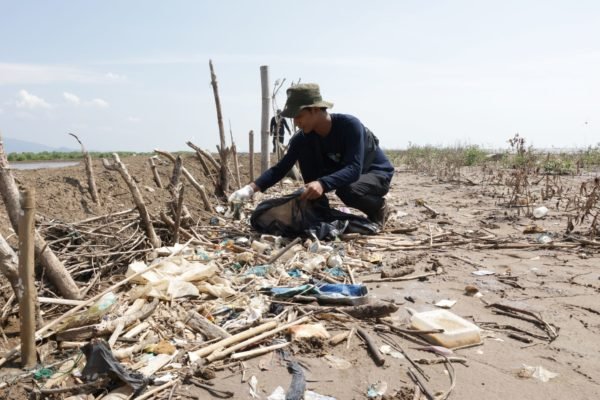
During their clean-up operations, Khoirum and Mustofa recovered a diverse array of waste items, which collectively illustrate the scale of the problem. Their haul included countless plastic bottles and items of food packaging, along with weird and less-than-wonderful items like sandals, diapers, sanitary pads, and even a mattress (not the kind of seabed that marine conservationists are used to).
(Above) Unpacking the problem. Food packaging and other plastics are a common sight in the rivers, waterways, and coastal regions of Java, where pollution is reaching a crucial tipping point.(Above) Clean-up operations by Trees4Trees mobilized a team of volunteers and partners along more than a mile of coastline in Pati Regency
Cleaning Up Tourism Hotspots
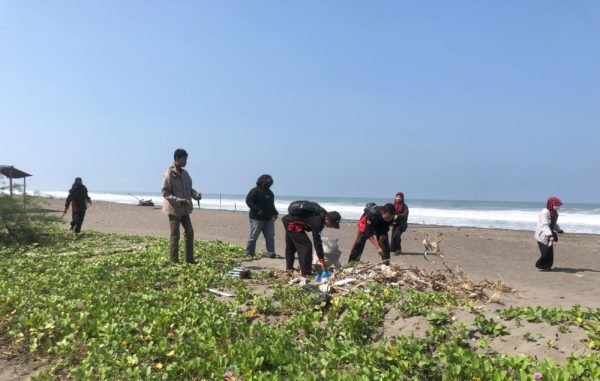
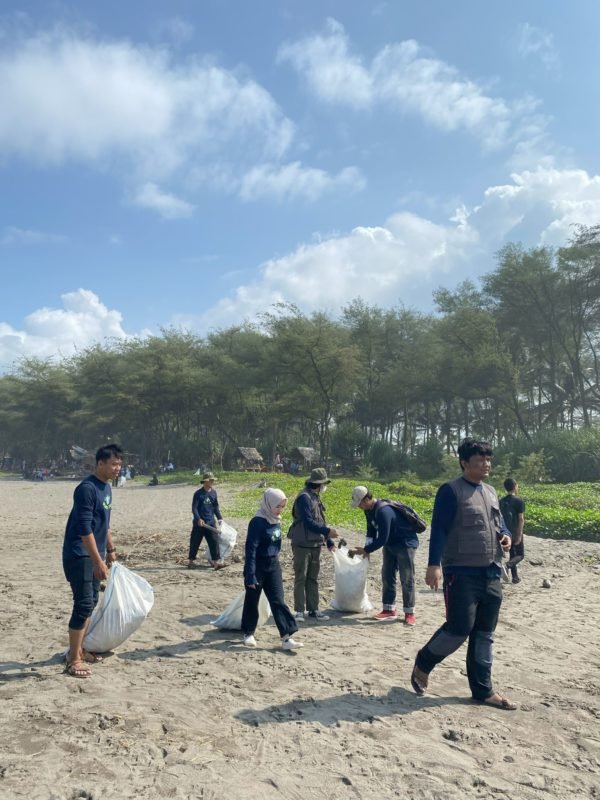
Another location where Trees4Trees has been busy recently is Cemara Sewu beach, a popular tourism destination that’s in danger of being ruined by plastics. “During our clean-up activities, we discovered loads of food and drink packaging left by visitors,” explains Rizky Praditya, Trees4Trees’ Kebumen area Unit Manager. “If we don’t clean up the waste here, the pollution will soon affect other areas too,” he warned.
(Above) Members of the Trees4Trees team, cleaning up Cemara Sewu beach in Kebumen, Central Java
Changing Attitudes on the Citarum River
To really make a difference to plastic pollution, you need to go to the source. This means traveling upriver. As Mustofa explains, “so long as people keep throwing trash into the river, the shore will always be polluted with plastic waste and so will the ocean.”
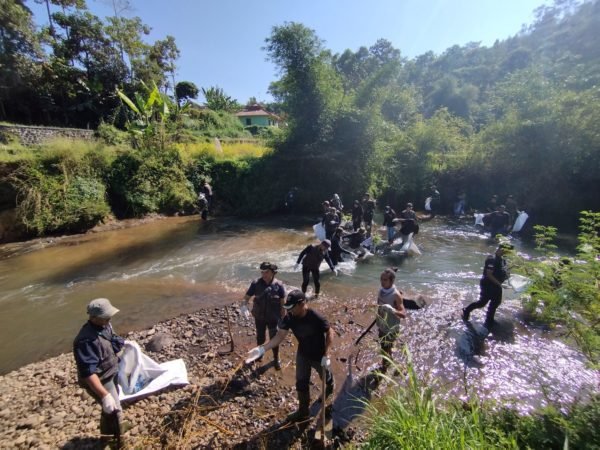
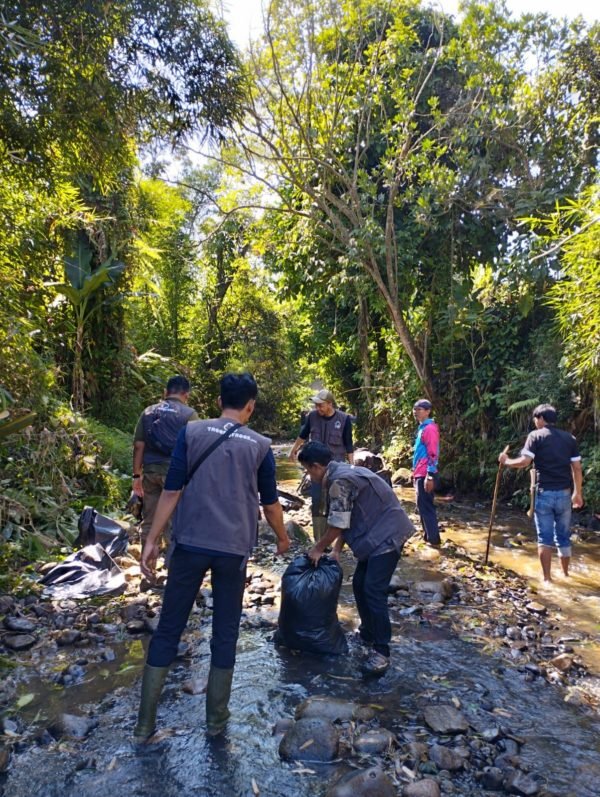
With that in mind, Trees4Trees began working on clean-up operationsin the tributaries of theCitarum River, which is sadlyfamous for its polluted waters.Focusing on theCidadap and Rawabogorivers.Trees4Trees got to work alongside local communities, village officials, and young environmental activists.
(Above) Working with local communities to clean up the Cidadap River in West Java
(Above) Filling sacks with plastics and other trash, removed from the Rawabogo River
“Cidadap river flows near residential areas,” says Asep Denis, the Ciminyak 3 Unit Manager. “The residents here have a habit of throwing their waste into the river,” he added. According to Mahesa, the Ciwidey Unit Manager, this makes community involvement an essential part of clean-up operations.
“We’re working to raise awareness in local communities, encouraging their involvement in keeping the river clean,” he said.
The problem of plastics can sometimes seem like a mountain to climb. But with various clean-up actions already being carried out in locations across Java, Trees4Trees and partners are taking steps in the right direction. Whether cleaning beaches, clearing rivers, or changing attitudes in local communities, the only way is up.
Writer: V. Arnila Wulandani. Editor: Christopher Alexander
Trees4Trees team clean up the Cidadap riverbank in Bandung Regency.
Impactful Environmental Activities — This month marks a significant milestone as Trees4Trees embarks on an extraordinary fifteen-year journey committed to reforestation through tree-planting activities.
Aligned with the commemoration of World Environment Day on June 5th and World Ocean Day on June 8th, Trees4Trees has been commemorating its 15-year anniversary through a series of activities centered around environmental preservation. These endeavors encompass the cleaning of coastal areas, riverbanks, waterways, and public spaces to eliminate waste, while also involving tree planting to address environmental issues like landslides, erosion, and flooding.
These collaborative endeavors actively engage local communities, youth groups, public organizations, and various stakeholders, fostering positive environmental transformations and promoting awareness regarding the importance of environmental preservation.
In addition to actively participating in environmental improvement activities, Trees4Trees has extended its reach to schools in West Java and Central Java, spanning from elementary to secondary high schools. The school visit strives to promote environmental education and raise awareness about the significance of safeguarding our Earth.
Let’s take a glimpse of these activities through the photo summary below!
Beach and River Clean–up
Trees4Trees Kebumen team cleaned up the Cemara Sewu Beach from plastic wastes.
Kebumenteam cleaned up the 5-km Cemara sewu beach. Together with beach management team and environmental communities, the team collected around ten sacks of trash dominated with plastic wastes like plastic bottle, snack packaging, plastic straw, and plastic bags.
Plastic wastes potentially hinder the growth of mangrove ecosystem.
The Pati team undertook a beach cleaning initiative at Dukuhseti Beach, spanning a distance of 2 km, where mangrove trees were planted. Most of the waste found was plastic, posing a threat to the ocean ecosystem and hindering the growth of mangroves. In addition to plastic packaging waste, the team encountered discarded items such as sandals, sanitary pads, diapers, mattresses, and floor mats along the coastline.
River clean up along Cidadap river, the sub-watershed of Ciminyak river – part of Citarum stream.
Alongside the local community, village officers, and young people’s community, our team from Ciminyak 3 unit conducted a clean-up of the 2-kilometer Cidadapriverbankand successfully collected 20 sacks of waste, primarily consisting of plastic waste, cloth, and household waste.
River clean up along Rawabogo river, West Java.
The Ciwidey team conducted a river clean-up in the Rawabogo river. In collaboration with local youth and the waste bank community, they effectively gathered 48 sacks of trash, predominantly comprising plastic waste, clothing, and single-use diapers. Once collected, the trash is then handed over to the waste bank community for proper management of non-organic waste.
Mountainand Village Clean–up
Cleaning the villages to prevent clogged drains.
Cirasea 3 team cleaned up Salakaso sub-Village in Mandalahaji Village with local communities. They focus on cleaning the waterway and roads in the sub village to prevent flooding and clogged drains.
Village clean up around Soreang nursery, the Trees4Trees newest nursery.
Our team at our newest nursery, Soreang Nursery, initiated a village clean-up in Nagrak village and collaborated with the local community. The most common type of waste found during the clean-up activity was plastic. Once collected, the waste was transported to the village’s designated dump points.
Impactful Environmental Activities; Citarik unit teamed up with young communities to clean up the mountain.
Citarikteam collaborates with several communities to clean-up the Taman Buru GunungMasigitKareumbi and Citarik watershed areasto combat plastic wastes.
Cleaning the waterways aimed at preventing flooding.
Cirasea 2 and Arjasari Nursery team collaborated to initiate a waterway clean-up aimed at preventing flooding in Pinggirsari and Patrolsari villages, West Java. Working together with environmental communities, we successfully collected tens of sacks of waste, which were predominantly composed of plastics, household waste, and organic waste from agriculture.
Planting Trees
Planting trees in a landslide-prone area in Singajaya Village.
The Ciminyak 1 team conducted an environmental education session and successfully planted 60 eucalyptus and sengon trees in an area prone to landslides in Singajaya Village, West Java. This activity involved collaboration with the local community and village officials, with the aim of preventing landslides and improving the environment.
Impactful Environmental Activities: Planting trees as part of 15th Trees4Trees anniversary celebration.
The Ciminyak 3 team undertook the planting of 50 eucalyptus and mahogany trees along the Cidadap riverbank to combat erosion.
Spreading awareness about the importance of planting trees to the youngsters.
The Cirasea 2 team organized an environmental education session at Hidayatussa’adah Al Husni Islamic Boarding School, emphasizing the importance of tree planting. Alongside students and local communities, our team also planted 80 trees around the school premises, contributing to a greener environment in the vicinity.
Environmental Education
School visit to spread awareness about global warming and the importance of planting trees in Bukit Aksara Elementary School.
The environmental education session conducted by our Semarang head office team took place at SD Bukit Aksara. The session covered topics of global warming, the significance of tree planting, and ways to reduce pollution in daily life. Our team provided instructions on proper tree planting techniques and gifted tree seedlings to the children, encouraging them to plant the trees at their homes.
Waste management education at Cieuri Elementary School.
The Cirasea 1 team conducted an environmental education session at SD Cieuri, involving 42 fourth and sixth-grade students. The activity focused on educating students about the importance of waste management and actively engaging them in cleaning up trash around the school.
Basic conservation education in Firdaus Boarding School, Pengalengan, Bandung.
The Cisangkuy team organized an environmental education session for the students of Firdaus Boarding School in Pengalengan. The session included teaching students about the fundamentals of conservation and reforestation, as well as practical ways to incorporate these principles into their daily lives.