Expanding Green: Trees4Trees’ Planting Season 2024 – 2025

Expanding Green

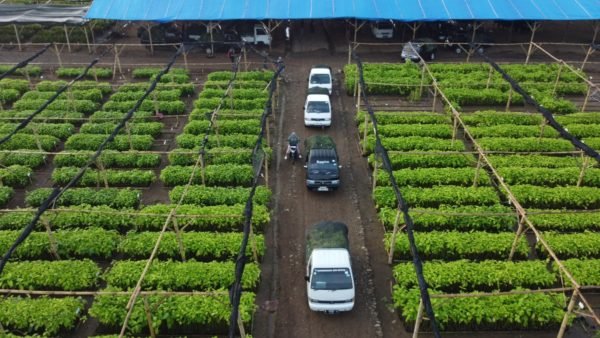
As our 2024-2025 planting season officially began in December 2024, the seedlings distribution process is now in full swing. New green leaves flourishing in our nurseries, reflecting the dedicated and meticulous work of our nurseries’ team. Together with our field team, they are currently busy distributing those seedlings to thousands of local farmers who serve as our tree-growing partners.  

This season, we aim to plant over 5.3 million trees by engaging nearly 20,000 local farmers across 17 regencies, covering over 200 villages. Additionally, we are also expanding our tree-planting efforts to Bali Island and the Citanduy watershed in West Java, while further advancing mangrove forest restoration in Cilacap, Central Java.   

Together with our supporters, we are focusing on tree-planting initiatives that help restore river watersheds, combat drought and water scarcity, enhance urban areas, and rehabilitate degraded mangrove forests. This season, 34 tree species are being planted, which are expected to improve the environment and benefit local communities. Below are our tree-planting initiatives for this season and the environmental challenges we aim to address through these efforts. 
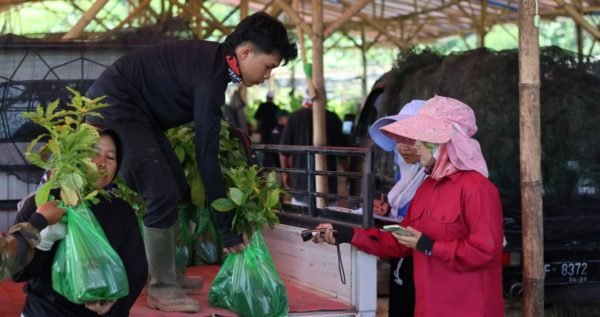
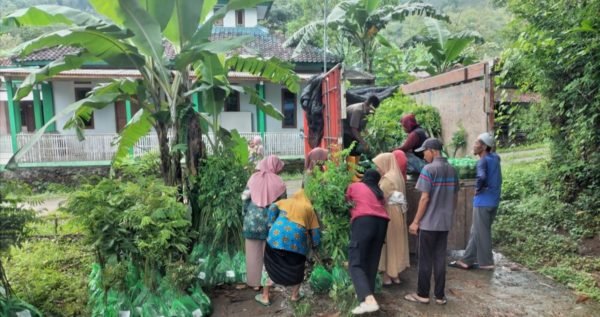
distribution seedling
(Above) Our nursery team is busy loading seedlings. (Below) The enthusiastic local community in Kebumen receives seedlings.

Expanding Green

Expanding Watershed Restoration 

River pollution and watershed degradation pose significant environmental challenges, significantly affecting those who rely on these critical resources. This is especially true for the Citarum River, where we have been actively engaged in reforestation efforts. 

Since 2020, we have planted nearly 8 million trees in the Citarum watershed to support government-led restoration initiatives. “Our goal is to plant 20 million trees by 2028 across five Citarum sub-watersheds: Cisangkuy, Ciwidey, Cirasea, Ciminyak, and Citarik,” said Trees4Trees Director, Pandu Budi Wahono. 

Over 2.5 million trees have been planted since early January, with a goal of 4.6 million trees in total this year. These efforts, supported by 17,000 local farmers, aim to reforest 177 villages across Bandung, West Bandung, and Sumedang Regency. The ten species being planted include both fruit and shade trees, contributing to watershed restoration, revitalizing greenery, and preventing disasters, especially landslides. 

This season, our restoration efforts are expanding beyond the Citarum watershed to new areas. These include planting over 50,000 trees in the Citanduy watershed in Tasikmalaya and over 18,000 in the Sangianggede watershed in Jembrana Regency, West Bali, to protect water sources essential for the traditional Subak irrigation system.  

Expanding Green
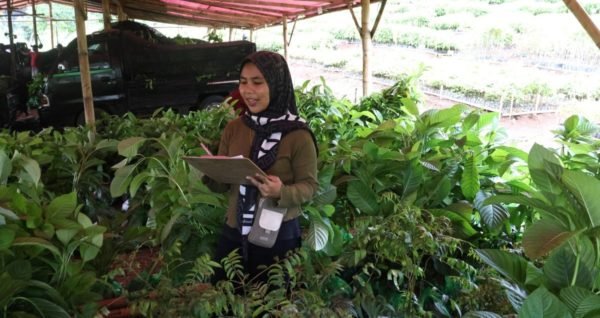
Seedlings are prepared carefully in one of our nurseries to reforest the Citarum watershed.

Expanding Green

Restoring the Degraded Cilacap Mangrove Forest 

In the 1990s, Ujung Alang Village in Cilacap Regency, Central Java, faced massive mangrove deforestation due to irresponsible land conversion for aquaculture ponds. To help the mangrove forests recover, local communities have been replanting mangroves for these past two decades. During 2022 to 2024, we contributed to the efforts by planting 24,750 mangroves across 7.4 hectares in the Kampung Laut District. 

This season, we plan to extend the initiative by planting 120,000 mangroves across 50 hectares. Four mangrove species consist of Avicennia, Rhizophora, Bruguiera, and Ceriops will be planted, as they naturally thrive in the area. The planting will follow the silvofishery concept, integrating fishery with mangrove reforestation.  

“This approach aims to provide economic benefits to local communities, with mangrove crab farming scheduled to coincide with this year’s planting efforts, as most local communities are interested in mangrove crab farming,” Yoga, the Trees4Trees Cilacap Unit Manager revealed.  
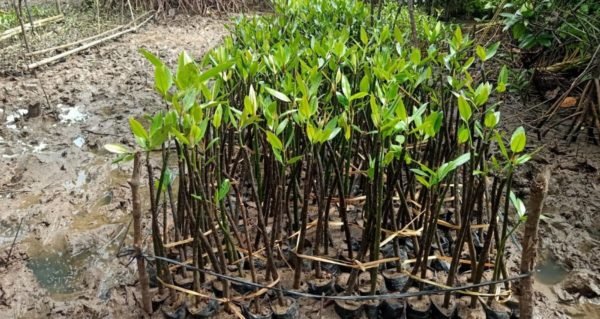
seedling
Mangrove seedlings are grown in our nursery partner managed by the local community. These seedlings are ready for Cilacap mangrove planting project.

Combating Drought and Water Scarcity  

Many of our planting areas experienced annual drought and water scarcity, significantly impacting the well-being of local communities living nearby. Villages in Kebumen, Pati, and Boyolali Regency in Central Java, Gunungkidul in Yogyakarta, Cidaun in West Java, and Bojonegoro in East Java are among our planting areas frequently affected by these issues, especially during the dry season.  

“When the dry season arrives, many areas, including our tree-planting sites in Bojonegoro, suffer from water scarcity as most water sources dry up. We aim to help local communities address this issue by planting trees that thrive in dry-prone areas,” said Khoirum Minan, the Trees4Trees Unit Manager responsible for the Bojonegoro project. 
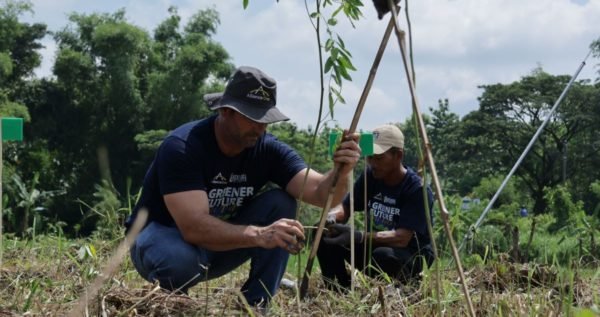
Planting Trees
Despite the scorching day, the tree-planting in Bojonegoro recently have successfully conducted supported by companies to combat water scarcity and drought.

To continue in combating these challenges, this season we plan to plant 530,000 trees across 40 villages in five regencies in Central Java, Yogyakarta, and East Java, engaging over 2,000 local farmers. Additionally, in Cianjur Regency, West Java, we are building on last year’s success of planting 50,000 trees by adding 15,000 more trees to support local communities in developing long-term solutions to combat water scarcity and drought. 

Expanding Green
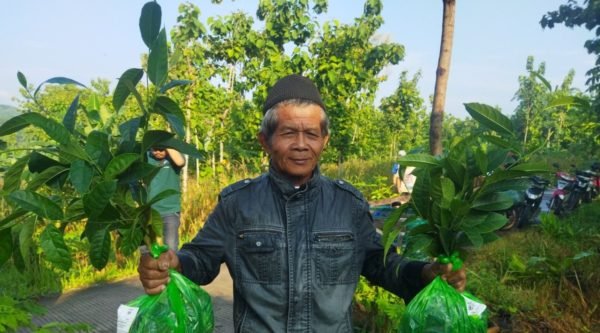
The exciting face of local communities in Kebumen (above) and Boyolali (below) receiving seedlings during planting season this year.

farmer

More Green Spaces in Urban and Industrial Areas 

The presence of urban forests amidst the bustling of cities and industrial areas offers numerous benefits. Tree-lined parks, greenways, sidewalks, and other vegetation in urban settings improve the air, water, and soil quality, reduce noise and pollution, and mitigate the effects of global warming. These improvements help prevent disasters like flooding and maintain the overall health of the urban environment. 

Recognizing these significant benefits, we launched our urban forestry tree-planting initiative in 2022 and have since planted over 60,000 trees. This season, we are focusing on increasing green spaces in urban and industrial areas. Since December 2024, we have planted 22,300 trees in the Bekasi and Karawang industrial regions, with more to come throughout the season. This initiative is expected to help reduce temperatures, combat air pollution, and enhance water and soil quality in these industrial zones. 

“As the soil around industrial areas is marginal, our initial step is to plant fast-growing trees before introducing other tree species. We collaborate with companies in the urban forestry initiatives this year and hope to inspire others to contribute,” said Pandu Budi Wahono. 
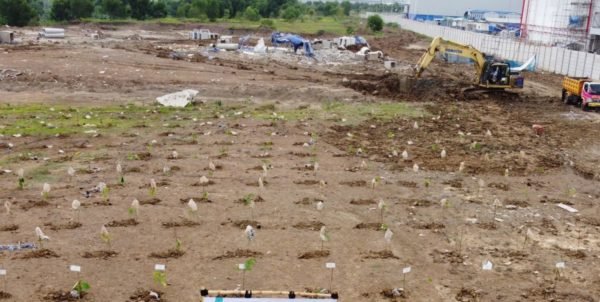
planting event
Urban forest tree-planting in the industrial area of GIIC, Bekasi.

Working Together with Partners and Local Communities 

This season, we are deeply grateful for the support of companies partnering with us in our reforestation mission. Together with local communities, we are working toward a shared vision of a healthier Earth. “Over eight companies are supporting us this season, and we hope more will join,” said Pandu Budi Wahono. Companies play a crucial role in reforestation efforts, not only helping to restore the environment but also demonstrating their commitment to sustainability, aligning with their core values. 
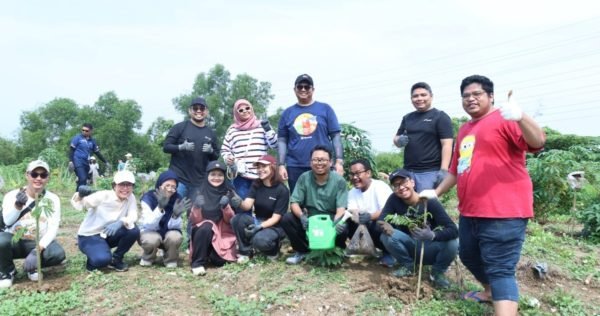
tree planting event
Tree-planting volunteers from companies helped to plant trees in urban areas of GIIC in Bekasi, West Java.

As climate change reaches alarming levels, collective action is more important than everWith collective efforts of individuals, governments, organizations, and companies in tackling this crisis, we can address environmental challenges and create a healthier planet for future generations. Trees4Trees invite you to join us in this mission! You can donate trees,  plan a tree-planting event, or support our tree-planting initiative to make a lasting impact on the environment.

Writer: V. Arnila Wulandani. Photos: Kemas Duga Muis, Yulianisa Dessenita, Trees4Trees Field Team

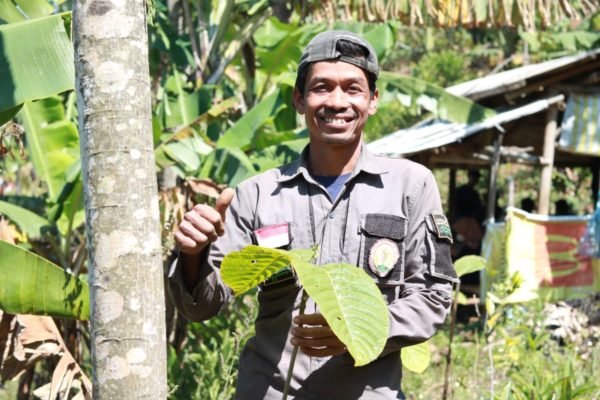
Eco-Friendly Farming: Cicalengka Farmers Move Beyond Timber Logging

Eco-Friendly Farming

For farmers in Nagrog Village, Cicalengka District, West Java, farming is not just a job that fulfills their daily lives, but a cultural heritage passed down through generations. Most of them inherit family land, which they manage by growing crops and trees. They harvest and sell their yield, providing them with a decent livelihood.  

Traditionally, crops like chili, banana, citronella grass, clove buds, and some vegetables formed their primary harvests. They also cultivated trees like burflower (jabon), gmelina, and albizia (sengon), earning income by logging and selling the timbers. However, in recent years, many of them have recognized the need to adopt more environmentally friendly practices to secure their livelihood for the future. 

Trees
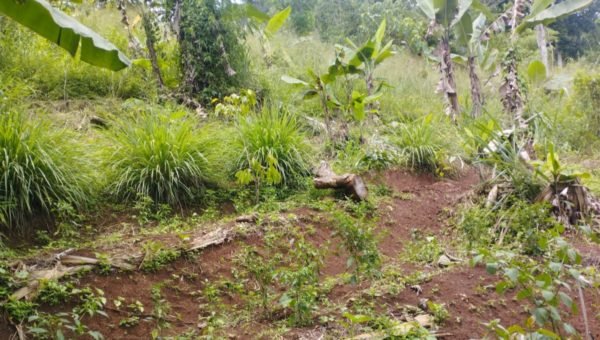
Crops like citronella grass, bananas, and vegetables are typical crops planted in farmers’ lands.

From Harvesting Timber to a New Eco-Friendly Farming Model 

“Logging trees for timber is an outdated way to earn income,” said Faisal, one of Nagrog Village’s farmers. “For us, cutting down the trees and selling the timber is a thing of the past. We’re transitioning to a farming model focused on growing trees without cutting them down. Tree cover is essential for preventing erosion and controlling rainwater runoff in our village,” he explained.  

In recent years, the farmers in Nagrog Village have united to create a greener future. As an initial step, they have shifted their focus to cultivating more trees and crops, prioritizing the sustainable harvest of fruits and leaves over cutting timber.

Eco-Friendly Farming
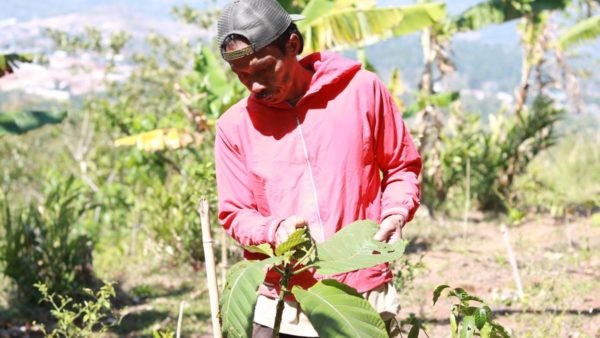
Faizal took a rest after working on his land in Nagrog Village

Maximizing Cloves and Citronella Grass 

Clove trees and citronella grass are the main crops they cultivate lately. “Clove buds fetch a good price in the market. It’s 80,000 rupiah per kilogram,” shared Agus, another farmer. “Citronella grass grows exceptionally in our village land, with consistent demand and good prices as it’s used for essential oils,” he added. Agus also noted Arabica coffee’s potential, priced between 15,000 and 18,000 rupiah per kilogram, although market fluctuations are a challenge. “So, we need to diversify crops and fruit trees to stabilize our income,” he emphasized.  

On the other hand, Yaya, another farmer, faces different challenges when growing cloves due to his open land exposed with direct sunlight. “The dry season has always been tough, especially last year. Many of my young clove trees didn’t survive the heat. My crops also struggled,” he said. “I’ve used shading nets, but I think more shade trees are needed to reduce the heat and improve their survival rate,” he said. 

Agus is taking care of burflower trees he planted, ensuring they grow healthy.

Tree Growers

Greener Future with Tree Planting Support 

In 2022, new hope arrived for the green initiatives taken by farmers in Nagrog Village. EcoMatcher, in collaboration with Trees4Trees introduced a tree planting program that engaged local farmers as tree grower partners. Among the participants were Faizal, Agus, and Yaya, who benefited from the program.  

“I received over 400 tree seedlings of clove and burflowers trees. This really helped me since I can’t afford them on my own,” said Yaya. He considered cloves to enhance the existing trees he planted, and burflowers to provide shade for his sun-scorched land.  

Eco-Friendly Farming
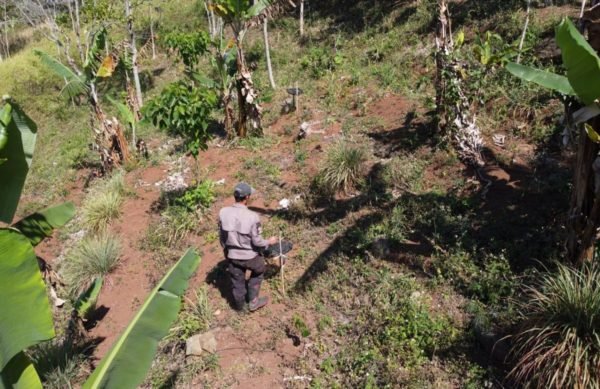
Yaya is working on his land, where he implemented agroforestry by combining crops and trees.

Faisal highlighted how the program supports farmers in multiple ways, not only providing free seedlings but also advanced farming knowledge. It includes teaching farmers with agroforestry technique to optimize results both income and environmental health.  

“We planted burflower trees to provide shade for our crops. Citronella grasses were planted on sloped lands to prevent erosion, and clove trees were added to our existing stock, offering valuable buds in six years while benefiting the environment. We’re truly grateful for this program,” Faisal said. 

Cultivating Hope for the Future  

With increased tree cover supporting their green initiatives, farmers are now exploring further innovations. “Clove trees offer benefits beyond the buds; their leaves can be used for essential oil production. We’re also looking into enhancing income from citronella grasses by producing essential oils ourselves, because the demand is high, and the market is competitive,” said Faisal. 

However, a lack of production machinery and knowledge remains a challenge for them. Despite this, they remain hopeful about realizing their dream. “With more trees planted, we believe doors open to further improvements in our sustainable farming practices,” added Faisal. 

In line with Faisal, Agus expressed his commitment to working with fellow farmers in his village to implement environmentally friendly farming practices. “I’m no longer interested in logging trees for timber. By preserving trees, we protect the environment and safeguard our village’s water sources for our community’s lasting survival. I think that is the most important thing,” he said. 

Writer: V. Arnila Wulandani. Photo: Kemas Duga Muis

I’m Imah, a Woman Farmer, and It’s My Right to Reforest and Uplift My Village

I’m Imah, a Woman Farmer

I’m Imah, a Woman Farmer

It was like any other season in Gunungsari Village, Kebumen. The long dry season had turned the trees brown, and the land was starting to crack from the lack of moisture. Despite the harsh conditions, the villagers remained committed to their fields, and farming as they always had. While preparing together with the team, we joked with each other and said hello to the villagers who passed by around us. Not long after that Imah joined us, with a shy smile.  

Sorry to keep you waiting, I was finishing up some cooking,” she said.  

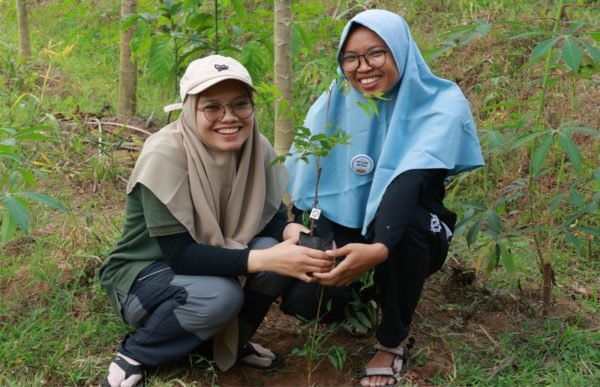
In supporting the role of women, Trees4Trees emphasizes their involvement by partnering with local women, like Imah. A loving wife and a persistent farmer; that is what she is. Together with Lailatul KH, Trees4Trees’ Field Coordinator, she worked hand in hand to keep Gunungsari Village green. Besides joining Trees4Trees, Imah also actively participated in community activities like the PKK (a village women’s association).  

According to Imah, women are the backbone of the rural economy, especially in the agriculture role. Beyond farming, women are efficient in managing household finances and ensuring food security for their families. Today, Imah contributes to her household income by selling agricultural produce while her husband focuses on cultivating their fields. For her, women farmers can support other micro-businesses, such as food production, crafts, and various other village-based enterprises. 

Despite her accomplishments, Imah acknowledges the challenges women face, including gender inequality, education gaps, and limited access to farmland. Often, women are underestimated in their ability to manage land. However, the most significant obstacle that affects their farming economy is competition with large businesses that tend to manipulate harvest prices. 

“I once joined a women farmers’ empowerment program from both government and non-governmental organizations, including Trees4Trees. Through these programs, I gained valuable skills that can be used to improve my future endeavors,” Imah shared. 

I’m Imah, a Woman Farmer
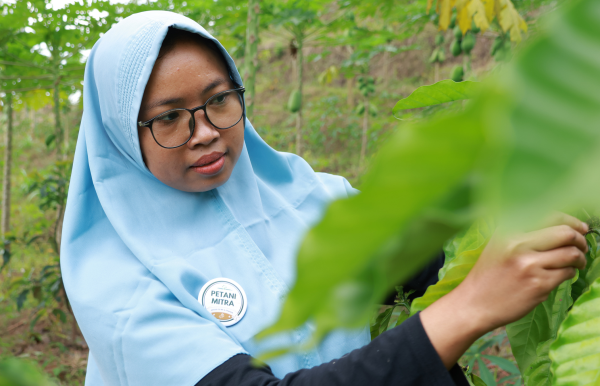
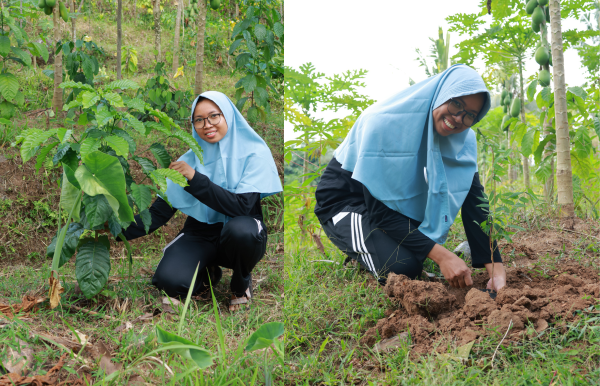
Imah proudly showcases the tree she planted with Trees4Trees.

Women’s contributions to the household are significant, and so are their roles in other areas. 

She believes that women’s contributions make up 50% of the overall effort in farming, where they serve and assist in the fields, boosting family income and inspiring other women farmers. 

“We need support and encouragement to not be afraid of becoming farmers. Farmers can succeed, and we need society to appreciate the work of female farmers,” Imah expressed. 

Imah joined the Trees4Trees program two years ago, motivated by her desire for more experience and the availability of new tree species that were not previously accessible. Through the program, she has received hundreds of trees, including suren, coffee, and sengon, as well as corn crops that provide essential food supplies for her family. 

“Before this, I only planted cassava. Now, my land is filled with trees from Trees4Trees,” Imah said happily. Her hope in participating in the program is to become a modern, progressive woman farmer and build a strong household. 

“The benefits are not yet fully felt, but at least the money that would have been spent on buying seedlings can now be used for other needs,” she explained. 

“Through these programs, I gained valuable skills and met other women farmers like myself. I have also participated in household economic management training with Trees4Trees and hope to join their upcoming workshop on utilizing corn waste for briquette production, as I manage the corn provided by Trees4Trees.” 

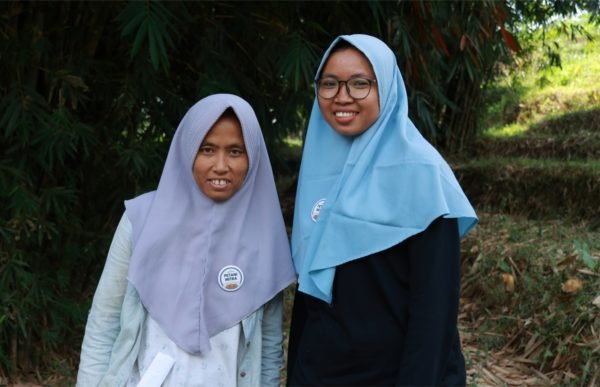
Imah, together with Ratiyem, a woman farmer in her village.

A hardworking and devoted wife. 

Lailatul KH, the Trees4Trees field coordinator, added, “Bu Imah is hardworking, devoted to her husband, and often helps him in the fields.” 

She hopes that more women will join the program, recognizing the significant role they play in farming. Tasks like weeding and harvesting are heavily dependent on women, and by increasing the number of women participating in these programs, productivity and family welfare will improve. 

Imah is a living example of how a woman is supported with the right resources and trusted for her abilities to succeed, she not only transforms her own life but becomes an example for so many others to take charge of their paths.  

I’m Imah and Trees4Trees Team

Written by Teresia Miranti | Source compiled by Lailatul KH | Photograph by Y. Desennita