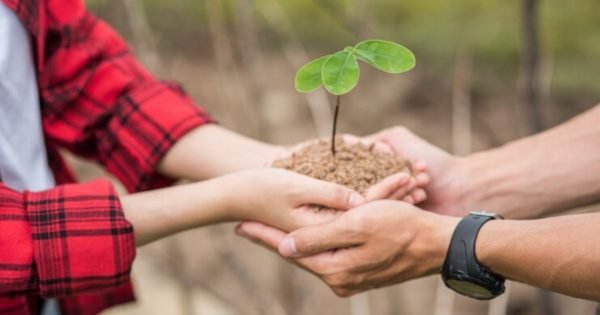
Activity Highlight: Distributing Tree Seedlings in Central Java and Yogyakarta Surroundings

The Central Java and Yogyakarta regions are two of Trees4Trees’ main locations for tree planting and play a vital role in our reforestation initiatives. In the Trees4Trees 2023-2024 planting season, we successfully distributed over 570,000 tree seedlings to approximately 2,300 tree growers across Central Java, spanning Kebumen, Pati, Boyolali, Semarang Regency, and Gunung Kidul in Yogyakarta.  

Our tree-planting initiatives throughout the regions serve diverse purposes, ranging from addressing drought and water scarcity to preventing erosion and landslides, revitalizing degraded areas, and providing essential shade. 

In addition to our terrestrial efforts, Trees4Trees extended its impact to the coastal region of Pati by planting around 33,750 mangroves, contributing to the overall health and resilience of the coastal areas.  

Let’s celebrate the hard work of our team in Central Java and Yogyakarta as they deliver seedlings to our tree growers in various locations! 
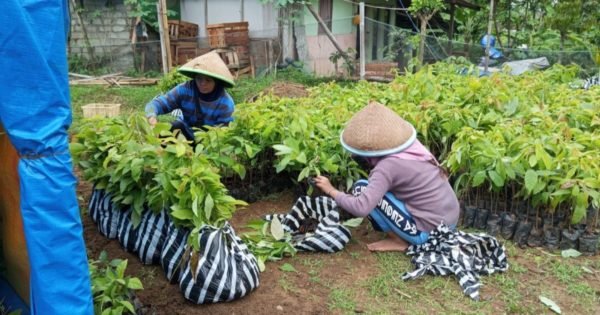
Distributing trees

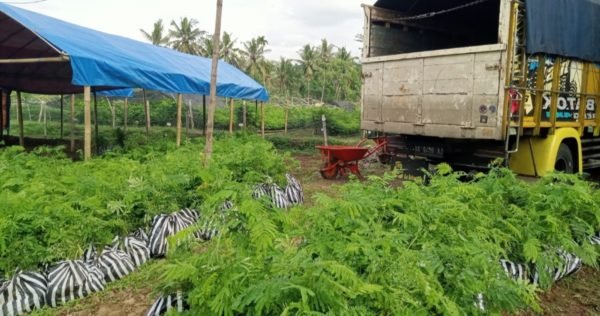
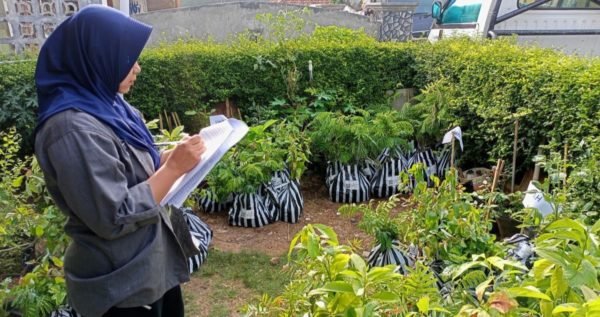
Our nursery workers in Kebumen (above) and Pati (below) were meticulously selecting and preparing the best seedlings then packaging them for distribution to various planting areas across Central Java and Yogyakarta.  
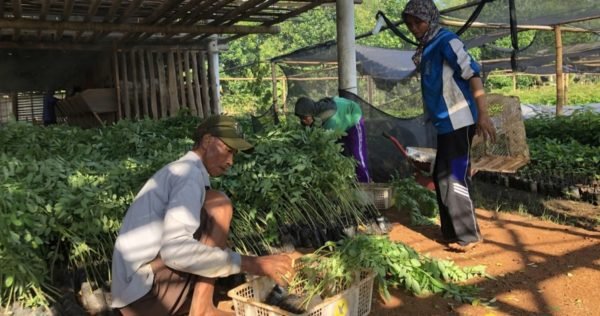
activity in our nursery

Distributing process

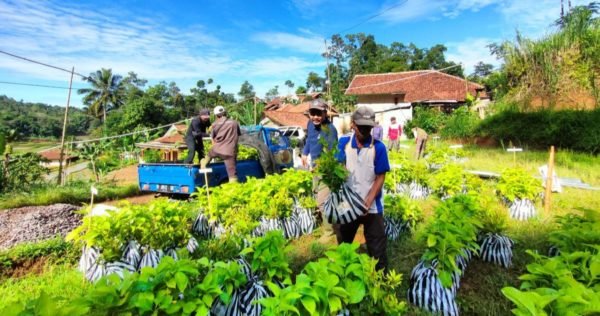
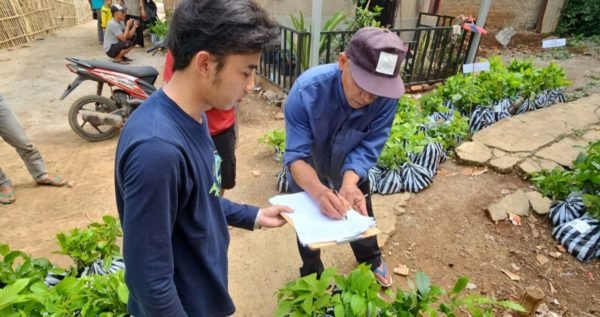
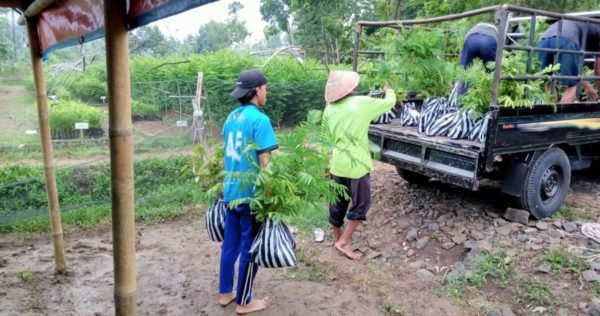
The selected and packaged tree-seedlings in the nursery of Kebumen (above) and Pati (below) were ready for loading to the delivery trucks. They were attached with a barcode and information about tree types, the grower who will receive them and the village destination.
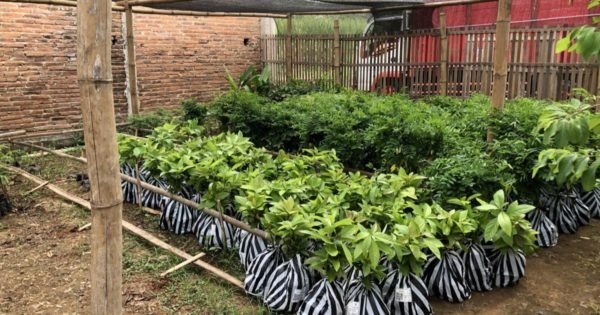
Distributing tree

Distributing trees

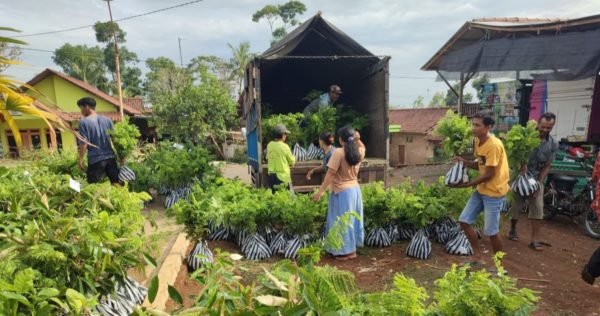
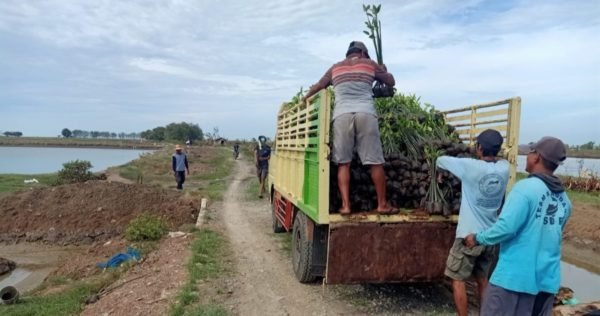
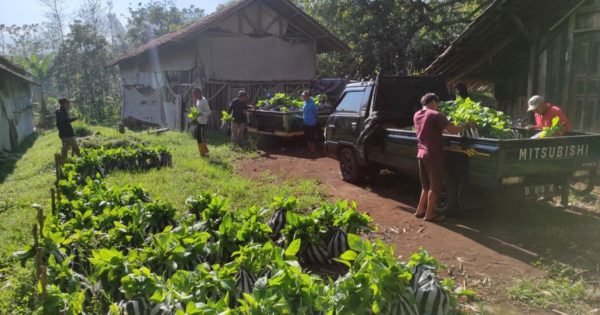
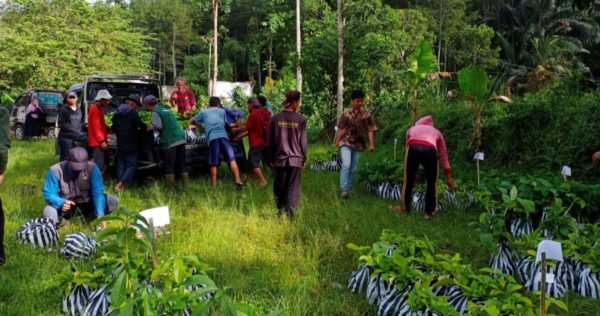
(Above) Our nursery team in Kebumen loaded the tree-seedlings to a small pick-up truck. (Below) Our nursery team in Pati had already finished loading all seedlings to a bigger truck. Due to the challenging terrain to the tree-planting areas, with usually very narrow and steep roads, we used small pickup trucks for delivery. While the bigger trucks are used to deliver the seedlings to the areas with wider roads. 
our tree growers

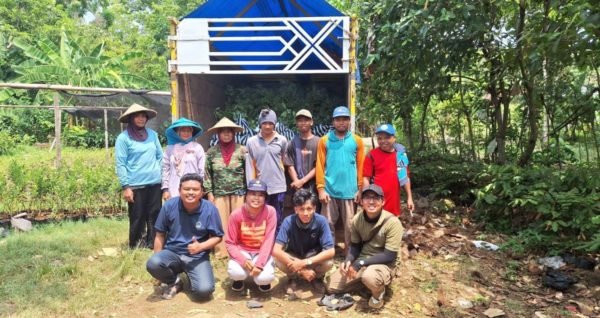
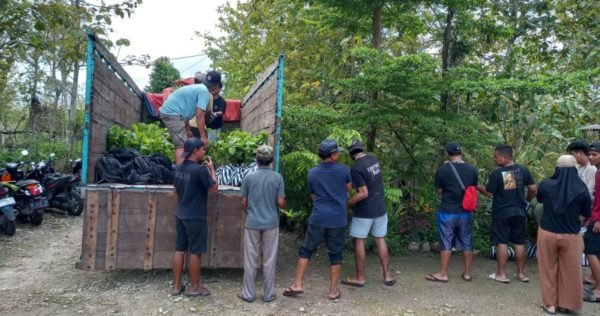
The tree-seedlings were all dropped and organized in a meeting point in Gunungsari Village, Pati (above) and Kedungpilang Village, Boyolali (below). They were ready to be picked up by our dedicated tree growers. 
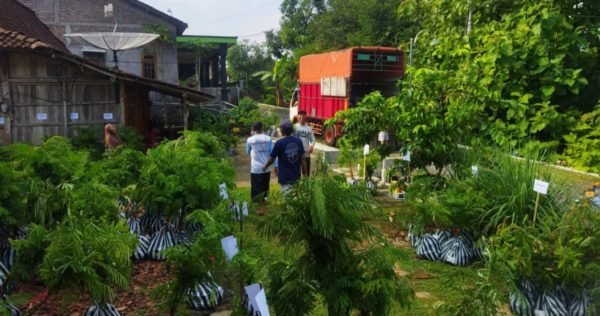
Following the arrival of the tree seedlings in Gunungsari, Kebumen (above) and Ngringin, Gunungkidul Yogyakarta (below), local communities enthusiastically welcomed them. They couldn’t wait to receive the tree seedlings. Our team also worked hand in hand with the local community in loading out the seedlings. 
(Above) Mangrove seedlings were delivered to the meeting point near Tegalombo Village’s coastal area in Pati Regency. They were then transported to the planting location by members of a fishpond farmer group collaborating with Trees4Trees as tree growers. (Below) The mangrove distribution process in Banyutowo Village involved the active participation of the local community. 
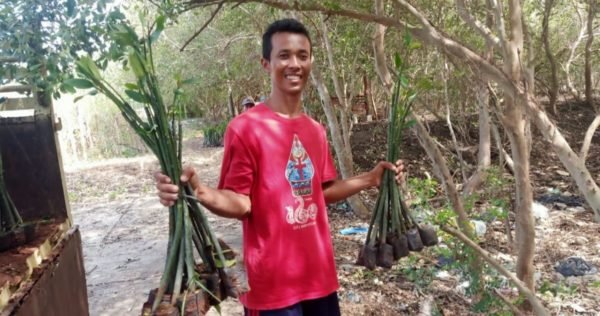
Distributing Tree with our tree growers

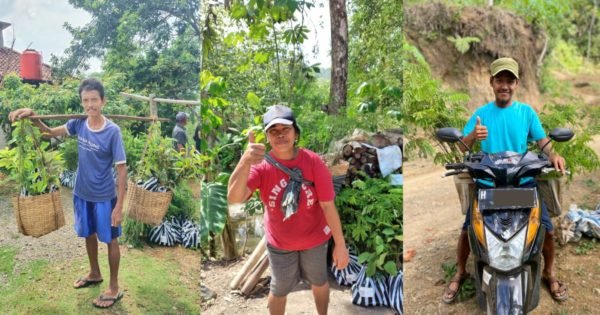
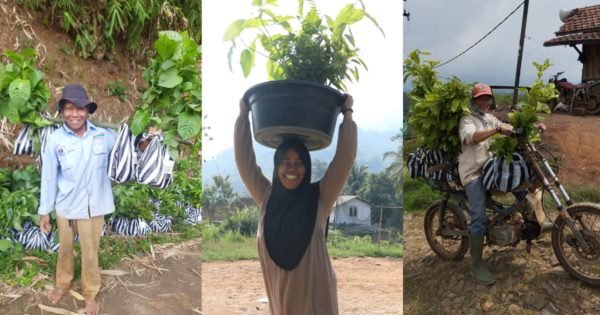
Witnessing our tree growers bringing their trees home was genuinely thrilling. They transported the trees from the designated meeting points using various methods, including carrying them on their backs with bamboo sticks or traditional baskets, as well as utilizing motorcycles. Shortly after, they will proceed to plant these trees in their fields. 
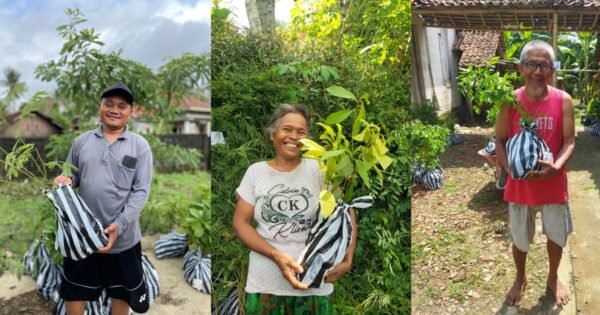
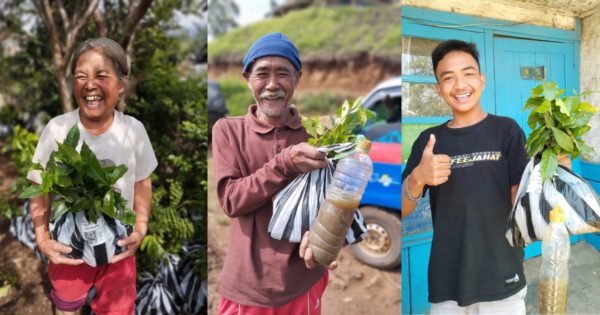
Our tree growers

Our tree growers’ smiles are the most precious to us! We are grateful for the opportunity to support them as a local community by providing tree seedlings and organic fertilizers and witnessing the joy on their faces! 


Farmer Story: Dayat Discovers a New Sense of Purpose in Saguling

Farmer story Partner of trees4Trees from Bandung

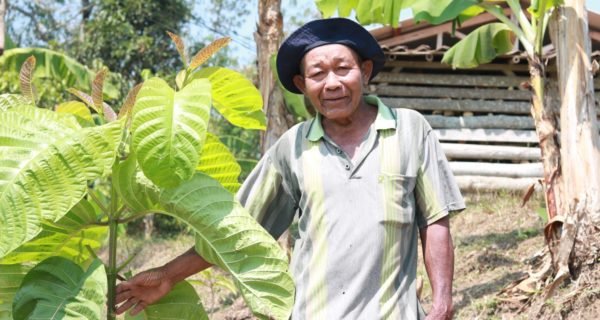
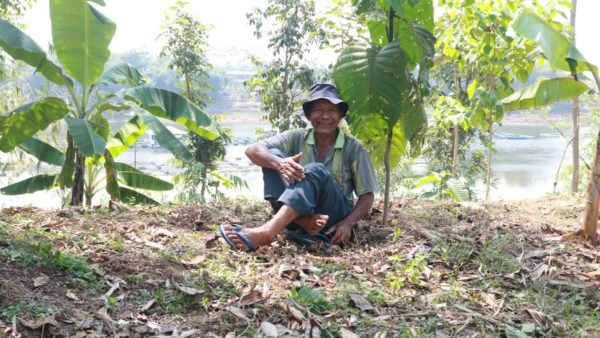
Farming is therapy for me when I am alone,” explains 75-year-old Dayat, as we explore his little plantation at the edge of Batulayang Village.  Since his wife passed away, Dayat spends most of his time alone nowadays. Most of his six children live far from home and rarely come to visit.  

Dayat owns a plot of land spanning about 0.12 hectares and overlooking the Saguling reservoir in Bandung, West Java. The bananas and Albizia trees he grows here have long been his main source of income. But this income is anything but certain. “As I am getting older, I want to find a more stable way to make a living,” he explains. 

Dayat recently joined the Trees4Trees planting program., He was given seeds, fertilizer, and training, and then began planting Jabon, Manglid, Gmelina, and Durian trees. “These plants thrive in my land and are worth more than bananas,” he says. Funded by AstraZeneca Forest and supported by Trees4Trees and One Tree Planted, this program is helping change lives and rejuvenate landscapes in West Java.

Branching out, but rooted in local tradition 

Dayat has been farming the fields around Cililin, Bandung, since he was a young man. Since then, he’s seen many people leave the village and head for the big city. But he prefers to stay put, caring for the land he inherited from his parents. He says the tree-planting program has given this land a new lease of life. 

“What I most appreciate is that all the tree seedlings and organic fertilizer I received were provided free of charge,” explains Dayat. I can’t help but wonder how I would have managed if I’d had to purchase them myself, as my income barely covers my daily living expenses,” he added. 

Daat and his tree

Farmer story; Dayat
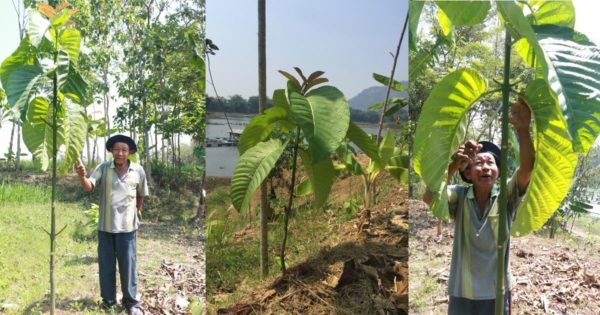
(Above) Dayat shows off his new crop of Burflower-tree (Jabon) 

New growth, new opportunities for development 

Of all the new seedlings, Dayat says jabon (Burflower) trees are best suited to his land,. as they grows quickly and offer income from timber. “After being cut, (the tree) regenerates from new shoots on the stems all by themselves,” says Dayat.  

Since witnessing the fruits of his recent labor, Dayat is already making big plans for the future. “If I’m fortunate enough to enjoy a longer life,” he says, “I look forward to harvesting and selling durian fruits.”  

Farmer story
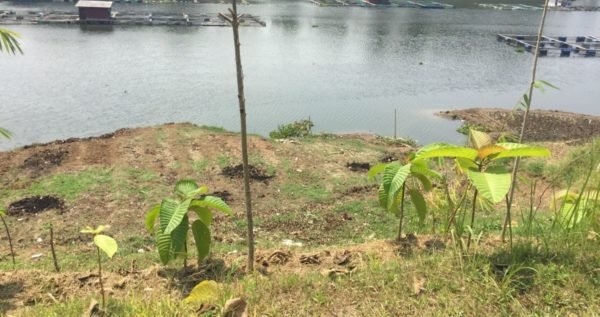
(Above) Dayat’s trees line the banks of West Java’s Saguling Reservoir

Providing benefits to the surrounding landscape 

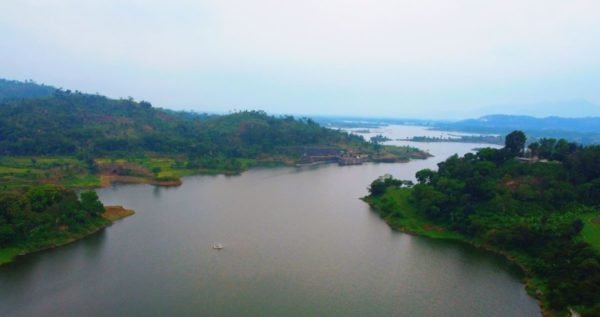
Covering an area of over 5,000 hectares, the Saguling reservoir generates electricity that supplies power to Java and Bali. On its banks are agricultural lands owned by local communities and smallholders like Dayat. 

Over the years, erosion has become increasingly common in these lands, causing soil to be carried away by the current and increasing sedimentation within the dam. This has a knock-on effect for local fisheries and jeopardizes the energy supply. Dayat sees tree planting as a way to counter these issues. 

“My motivation for planting trees extends beyond the economic benefits,” says Dayat, whose new trees are helping combat erosion along the banks of the Saguling. “I believe I am making a meaningful contribution to the well-being of many people whose livelihoods depend on this dam,” he added. 

Waduk Saguling
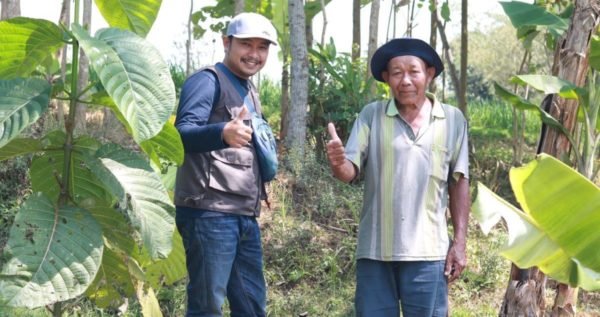
(Above) The Saguling Dam, one of three reservoirs on the Citarum River, and (Below) Dayat is visited by the Trees4Trees Unit Manager.

Farmer story

Remarkable skill and valuable experience 

Ever since he joined the tree-planting program, Dayat has demonstrated his commitment to caring for trees. He’s also applied the knowledge gained from farmer training, which covered the use of organic fertilizers. 

“Out of the 375 trees Dayat received, more than 90% have gone on to thrive,” explains Dian Wardana, Trees4Trees Unit Manager for the Ciminyak 1 working area, where Dayat’s plantation is located. “This is a testament to his remarkable skill and dedication.”  

Dayat attributes this success to his meticulous care for all his trees. “I treat them like my own children and only use organic fertilizers that are gentle to my land,” he says. Being recognized as a top farmer is a great honor – I am grateful to Trees4Trees and their supporters, who have provided me with free seedlings, free organic fertilizers, and the knowledge, especially at my age,” he said. 

Writer: V. Arnila Wulandani. Editor: Christopher Alexander

Activity Highlights: Distributing Seedlings for Citarum River Restoration

Distributing seedlings for planting community forests may seem like a simple task. After all, it’s just handing out some seedlings to some farmers, right?  

However, a closer look reveals the complexity and scale of this operation. During the 2023–2024 planting season, the Trees4Trees West Java field team distributed approximately 4.1 million seedlings of 14 different tree species to 18,800 farmers. Each of them could choose up to five different tree species. This seedlings’ distribution is part of our effort to restore areas in the Citarum Watershed, encompassing five sub-watersheds: Cisangkuy, Ciwidey, Cirasea, Ciminyak, and Citarik.

Timber trees were packed 10 to a bag, while fruit trees were packed 8 to a bag. Due to the challenging terrain, with very narrow and steep roads, small pickup trucks were used for delivery. Each truck carried a maximum of 1,500 seedlings to avoid overcrowding and damaging the seedlings.

Adding all this up means there were around 415,000 bags of seedlings individually packed per farmer order and delivered to 176 villages with more than 20,395 planting locations inside a two-month period.

So, on a daily average, 73,000 seedlings were packed into 9,240 bags, each with a unique order quantity and loaded and shipped to the distribution points in 50 trucks. That’s a lot of green for a greener future!

Now, let’s appreciate the hard work and dedication of our field team as they have already completed delivering seedlings to our tree growers around the Citarum Watershed.

Distribution Process

The tree seedlings were placed at the closest meeting point so that it will be easier for residents to pick them up to their lands. (Above) Our field team facilitated the distribution to Sukawening Village in the Ciwidey Sub-watershed. (Below) Our field team managed the distribution to Mekarjaya Village in the Cisangkuy Sub-watershed. 

Tree seedling

Activity hightlights; farmers

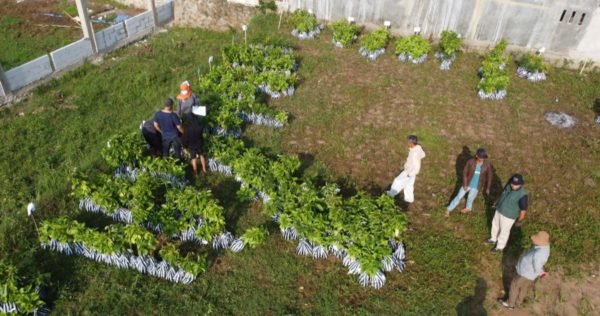
As the tree seedlings arrived at the meeting points, our team, along with the local community, unloaded the trees and grouped them according to each dedicated tree grower who would receive them. Our field teams in Cibenda Village (above) and Pacet Village (below) organized the trees to make distribution easier for each tree grower. 

tree seedling

farmer and tree seedling

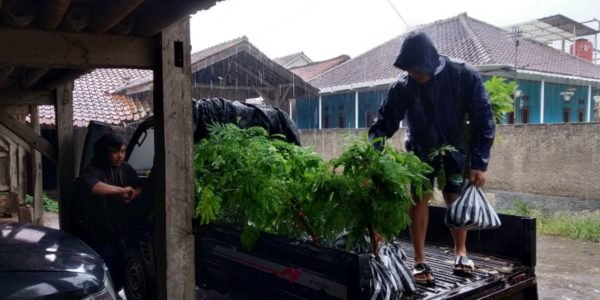
Even though heavy rain fell on the distribution day, our team remained committed to distributing tree seedlings to our tree grower partners in each village. Our team delivered seedlings in Sukawening Village (above) and Neglasari Village (below) in the middle of rainy day. 

distribution process

Activity hightlights; Trees4Trees field team distributed approximately 4.1 million seedlings to 18,800 farmers aiming

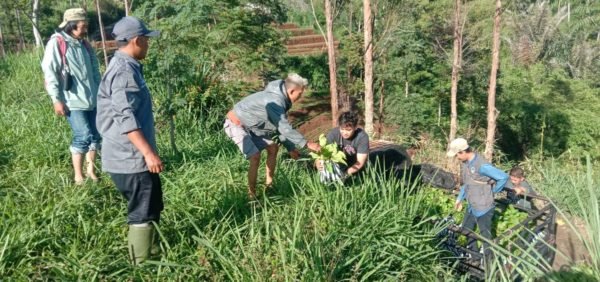
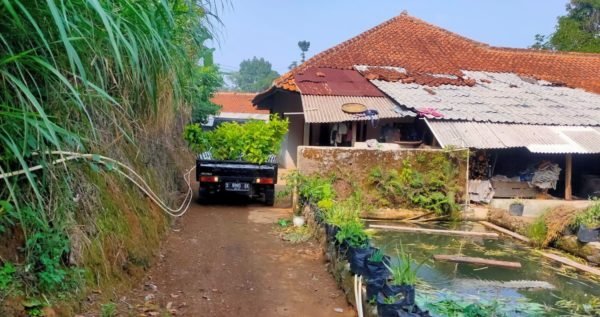
Distributing tree seedlings was sometimes challenging. Our team had to navigate steep and difficult-to-access terrain to reach some villages. In the Cirasea 3 site (above) our team worked hand in hand with the local community to place tree seedlings in locations inaccessible to trucks. (Below) the pickup truck passed through a very narrow road in Loa Village, part of Cirasea 1 site. 

car and tree seedling

The tree-seedlings were all dropped and organized in a meeting point. They are ready to be picked up by the dedicated tree growers. 

Activity hightlights; Trees4Trees field team distributed approximately 4.1 million seedlings to 18,800 farmers aiming

(Above) Before delivering to local farmers, our field team meticulously checks all seedlings, including the total trees, types, and the dedicated tree growers who are supposed to receive them. (Below) Our field team ensured that our tree growers received the correct seedlings according to their requests as in the initial stage before handing the seedlings to them. 

Trees4Trees field team distributed approximately 4.1 million seedlings to 18,800 farmers aiming

Distribution process

Following the arrival of the tree seedlings in a village around the Ciminyak sub-watershed, local communities enthusiastically welcomed them. They can’t wait to receive the tree seedlings they have been eagerly anticipating. 

Activity hightlights; distribution process

The smiles of the local people are invaluable as they receive trees and organic fertilizers from our team. We are grateful to have an opportunity to support them and see the joy on the faces of our tree grower partners in the Cirasea 3 site! 

Activity hightlights; Distribution process

We were delighted to witness schoolchildren actively assisting their parents in transporting the tree seedlings back home in Weninggalih Village. 

Farmers and tree seedling

Experiencing our tree growers bringing their trees home was truly thrilling. They transported the trees from the meeting points in a variety of methods, such as carrying them on their backs with bamboo sticks or traditional baskets, placing them on carts, or utilizing off-road motorcycles. Shortly thereafter, they will proceed to plant these trees in their fields in the Citarum watershed surrounding. 

Read also: Nursery Highlight: Tree Seedling Distribution in West Java


Tips: Easy Ways to Show Love Languages to Mother Earth

Are you familiar with the concept of love languages? If you haven’t heard it before, you may learn about this concept here. Valentine's Day – which is just around the corner – might be a great moment to express affection using one of these preferred languages to our special someone. Love languages, as defined by Dr. Gary Chapman in his book "The Five Love Languages," encompass the distinct ways individuals express and interpret love. These languages include physical touch, words of affirmation, acts of service, receiving gifts, and quality time. While people commonly employ these five love languages to demonstrate love and affection to family, partner, friends, and others, we can also extend these expressions of love to showcase care for our Mother Earth and the environment that surrounds us. Here, we share our top tips for expressing love to our beloved planet through the five love languages!

Photo: Freepik

Are you familiar with the concept of love languages? If you haven’t heard it before, you may learn about this concept here. Valentine’s Day, Anniversary Day, or other momentous day like Birthday – might be a great moment to express affection using one of these preferred languages to our special someone.  

Love languages, as defined by Dr. Gary Chapman in his book “The Five Love Languages,” encompass the distinct ways individuals express and interpret love. These languages include physical touch, words of affirmation, acts of service, receiving gifts, and quality time. 

While people commonly employ these five love languages to demonstrate love and affection to family, partner, friends, and others, we can also extend these expressions of love to showcase care for our Mother Earth and the environment that surrounds us.  

Here, we share our top tips for expressing love to our beloved planet through the five love languages! 

Physical touch  

For people who express love through physical touch, gestures like hugs, kisses, or holding hands make them feel safe and comfortable. While we can’t physically touch the planet in the same way, there are alternative ways to connect. Here are some ways to use this love language and engage with the Earth: 

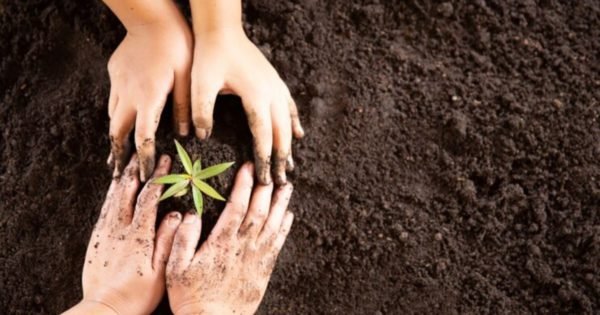
1. Gardening or planting trees and plants at home 

2. Engage in environmental events, such as tree-planting events. You and your community can conduct a tree-planting event with Trees4Trees. Contact us to plan your event! 

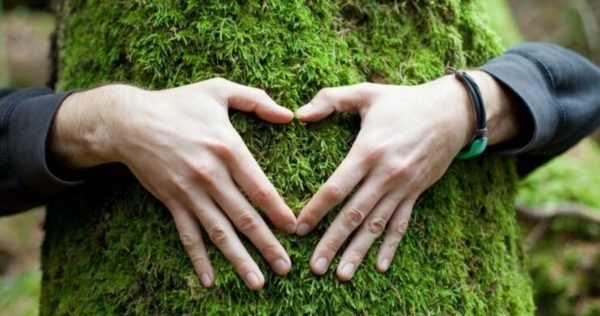
3. Feel the texture of soil, water, or plants by running your hands through them when you are in nature  

4. Immersing ourselves in bodies of water, whether for swimming or canoeing 

tips; planting a tree

Photo: Freepik

Words of affirmation  

Praise, appreciation, and other verbal compliments are part of the words of affirmation love language. These affirming words encourage those around you to actively engage in caring for our Earth. Here are ways to apply the words of affirmation love language to our planet: 

1. Sharing eco-friendly tips on your social media  

2. Recommend sustainable reads, movies, or documentaries to your friends  

3. Engage in discussions about sustainable living habits with friends and family 

Quality time  

Enjoying quality time with our Earth can be one of the most delightful ways to do it. It’s also a highly visible way to demonstrate our love for the environment. This involves being fully present, engaged, and attentive while spending time in nature to deepen our connection. Utilize the quality time love language to express love for the planet by: 

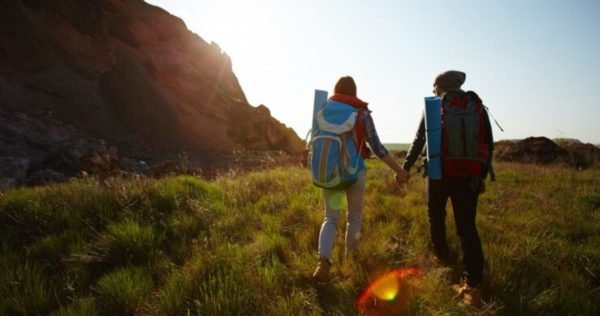
1. Spending hours on outdoor activities, such as hiking trails, seeking scenic views, exercise, or birdwatching.  

2. Having a zero-waste picnic with friends or family  

3. Journaling or reading outdoors in the garden or amidst greenery. 

outdoor activities

Photo: Freepik

Receiving gifts  

The joy of receiving gifts is something that resonates with everyone. Expressing love through a gift goes beyond the tangible item; it encompasses the time, thought, and effort invested. While we can’t directly buy a gift to bring happiness to the planet as we do for our friends or family, we can consider these thoughtful gifts for our Mother Earth: 

1. Reduce the waste we generate that ends up in landfills and oceans. It will be a truly meaningful gift to Mother Earth! 

2. Instill a love for nature and the environment in our children and grandchildren. 

3. Donating to eco-organizations or green movements to support causes such as tree-planting, endangered species protection, or climate action. You can also give a gift of planted trees to your loved ones with us. Learn more here how to get involved. 

Tips; plant a tree

Photo: Freepik

Acts of Service  

Indeed, actions speak louder than words. While acts of service towards other people make them feel loved and appreciated, extending acts of service to our planet contributes to the well-being of the environment, ensuring its safety and protection. These actions can have both direct and indirect impacts. Consider the following ways to apply this love language to the planet: 

1. Clean the streets and pick up litter in your neighborhood. 

2. Compost all your food waste and other organic waste 

3. Embrace eco-friendly and sustainable changes in your life, such as starting to reuse, recycle items or using organic materials 

4. Volunteering to conservation group or environmental community, such as cleanup or tree-planting community 

Love is a language universally spoken, and each person has their preferred love languages and strengths in expressing themselves comfortably. So, which love language have you recently shown to the planet? Remember to share more love languages this Valentine’s Day to make it even more meaningful. 

Read more: 10 Eco Friendly Activity Ideas to Enjoy with Loved Ones